Escalating Tensions in the Middle East: Focus on Lebanon and Diplomatic Impasses
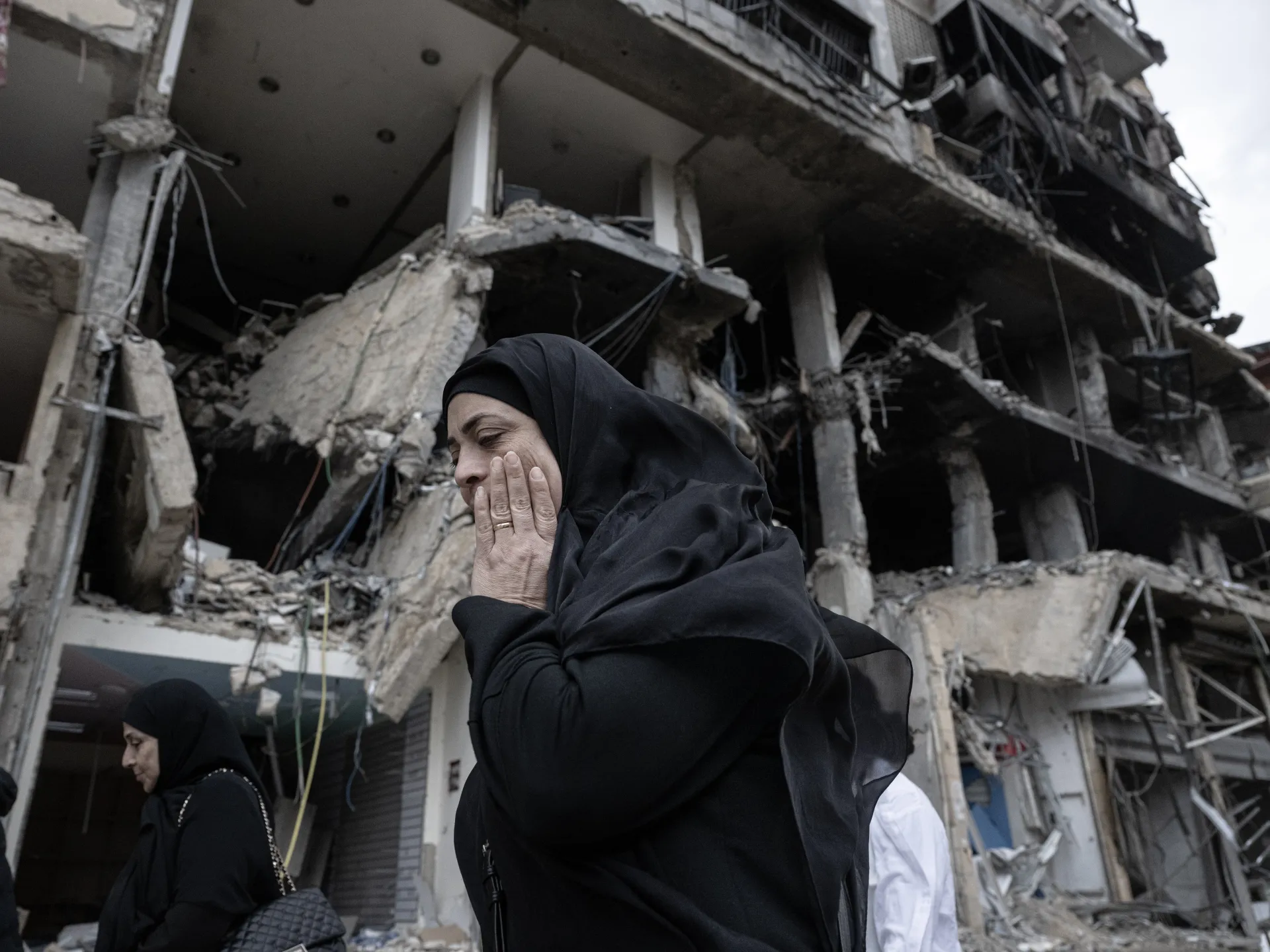
The geopolitical climate across the Levant region remains highly volatile, marked by significant confrontations and stalled diplomatic efforts. Recent deadly military actions within Lebanon have heightened regional alarm, raising urgent concerns regarding the safety of civilians and journalists caught in the crossfire of escalating tensions. These events underscore the perilous nature of the current security environment, where civilian casualties, including media personnel, are becoming alarmingly frequent.
Simultaneously, major international flashpoints continue to see diplomatic negotiations falter. High-level talks intended to de-escalate tensions between regional powers and Western nations have reportedly reached an impasse. The inability of key stakeholders to reach a mutual understanding suggests that underlying disagreements remain deep-seated, creating a persistent state of uncertainty over the region’s immediate stability and future trajectory.
What This Means
The confluence of violent incidents and failed negotiations signals a period of heightened instability. The documented casualties in Lebanese territory draw international condemnation and point to a failure of protective measures for non-combatants. Furthermore, the stalled talks suggest that diplomatic avenues for conflict mitigation are currently blocked. This raises the specter of sustained friction, where localized confrontations could potentially destabilize broader regional security frameworks.
Background and Context
Lebanon has long been a focal point of regional conflict due to its complex sectarian makeup and its strategic location bordering multiple powers. Reports of recent intense hostilities point toward deepening friction between various armed factions operating within the country’s borders. These incidents suggest that the local political landscape is under severe duress, making the civilian population exceptionally vulnerable to military action. The combination of internal strife and external pressures places immense strain on the Lebanese state apparatus, complicating any potential for swift resolution.
Adding to the regional strain is the ongoing diplomatic deadlock concerning broader power dynamics in the Middle East. Official statements indicate that while mechanisms for dialogue are in place, fundamental disagreements over security architecture and regional influence have prevented any breakthrough. Until these core policy disagreements are addressed, external tensions are likely to remain elevated, casting a long shadow over attempts at broader peace or stability agreements.
About the Author