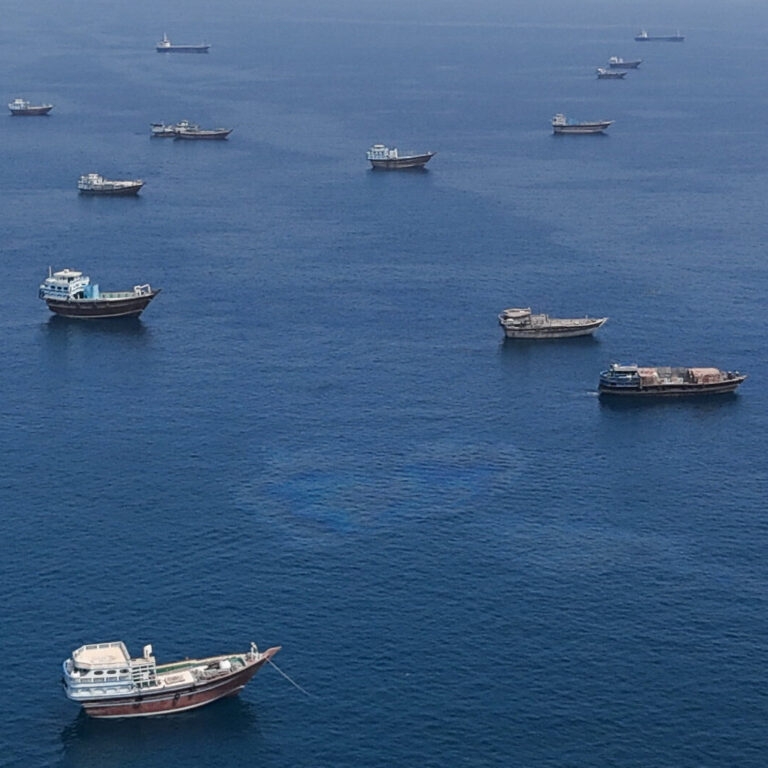
Geopolitical Tensions Flare: Iran Reports Capturing Commercial Vessel in Strait of Hormuz
Recent reports have drawn international attention to activities within the Strait of Hormuz, one of the world’s most critical waterways for global energy transport. Specifically, Iranian state-affiliated forces have presented video evidence suggesting the capture of a commercial container ship within the strait’s boundaries. This latest incident contributes to a pattern of heightened maritime activity and disputes over passage rights in the region.
The release of this footage implies a direct action by the Islamic Revolutionary Guard Corps (IRGC), indicating a potential escalation in the enforcement or assertion of control over maritime traffic. The seizure is understood to be one of multiple vessels reportedly taken custody of on a given day, suggesting a pattern of operations rather than an isolated event.
What This Means for Global Commerce
The primary significance of any disruption or forceful intervention in the Strait of Hormuz cannot be overstated. Because a massive percentage of global oil and liquefied natural gas (LNG) trade passes through this narrow choke point, any perceived threat or actual closure has immediate, far-reaching economic consequences. Such actions place immense strain on international shipping insurance, commodity prices, and the stability of global supply chains, creating significant concern among trading partners.
The incident raises pointed questions regarding freedom of navigation and the established international legal frameworks governing passage through busy international straits. Continuous reports of seizures force global powers and shipping consortiums to reassess risk premiums associated with transit through the Persian Gulf region.
Background Context of the Strait
The Strait of Hormuz itself is an internationally vital maritime passage connecting the Arabian Gulf to the Gulf of Oman, providing access to the Arabian Sea. Its strategic importance is derived entirely from the energy wealth of the region. Historically, the waterway has been subject to fluctuating levels of geopolitical tension, making it a focal point for military posturing by regional powers. This historical context means that routine maritime incidents are often interpreted through a lens of potential confrontation.
Official statements regarding the capture of commercial vessels tend to be framed by the involved parties to justify the actions taken. Analyzing these reports requires careful consideration of the operational claims made by the regional actors against the backdrop of established international maritime law to fully grasp the implications for global maritime security.
About the Author