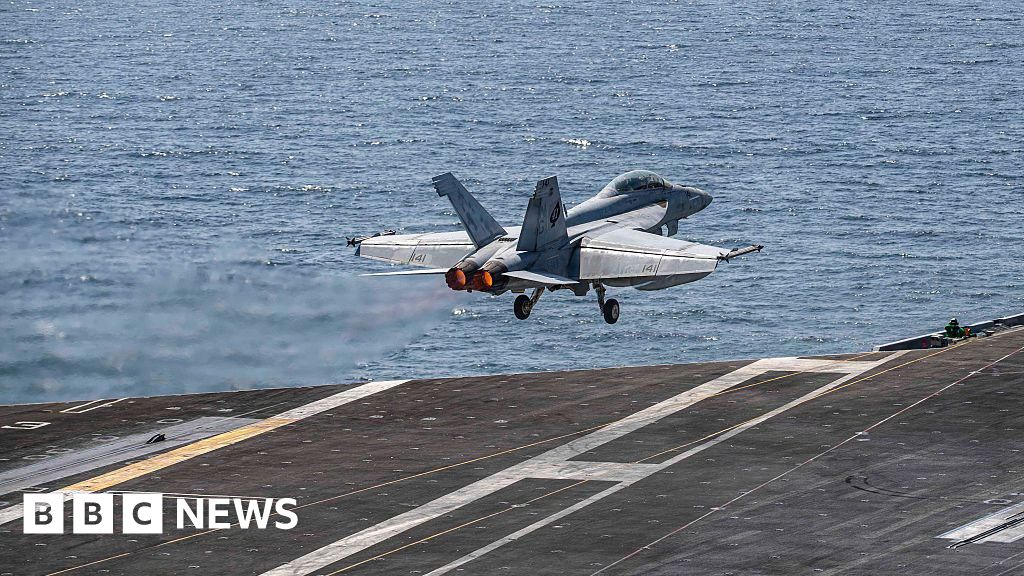
A significant escalation in tensions between the United States and Iran has seen both nations engaging in direct military actions in the region. The conflict flared recently after U.S. forces conducted strikes against a military facility in Bandar Abbas, a key port area within Iran. In immediate response to these strikes, elements of the Iranian armed forces claimed responsibility for targeting a U.S. air base, although specific details regarding the location of the supposed strike were withheld. These reciprocal maneuvers underscore a rapid deterioration in the already delicate regional stability.
The volatile situation has drawn attention from neighboring countries, such as Kuwait, which has reported that its air defense systems were actively intercepting incoming aerial threats, identifying them as both missiles and drones. Official statements from U.S. Central Command indicated that the operations in question were carried out under a self-defense mandate, citing the need to prevent specific weapon launches. Specifically, the strikes reportedly targeted a site that was preparing to deploy a fifth drone, actions the U.S. asserted were necessary to maintain a fragile pause in hostilities.
Significance of the Exchanges
The exchange of strikes represents a dangerous departure from any semblance of a recent de-escalation. The pattern of mutual attacks threatens to undermine any existing truces, potentially drawing the region into a wider confrontation. The nature of the claimed targeting—with the U.S. citing threats near key maritime chokepoints and Iran responding with alleged strikes on bases—highlights a deep, unresolved operational conflict over regional security control.
Operational Concerns in the Strait
A primary focus of the heightened activity remains the vital maritime corridor. Previous engagements in the area included U.S. actions against Iranian sites suspected of supporting mining activities in the Gulf. These maneuvers were framed by U.S. authorities as protective measures for personnel and commercial transit. Furthermore, the U.S. has broadened its economic pressure by imposing sanctions on the Iranian body responsible for collecting passage fees in the Strait of Hormuz. The collective actions—military strikes combined with economic sanctions—demonstrate a comprehensive strategy of escalating pressure across multiple domains.
Context of Regional Confrontation
This current round of hostilities is not isolated. It follows earlier reported engagements where the U.S. claimed to strike various Iranian infrastructure points. Iranian state media has strongly condemned the American actions, labeling them violations of ceasefires and issuing explicit warnings that the Iranian government would respond to any future acts of aggression. The overlapping claims of defensive necessity versus hostile provocation paint a picture of an impasse, where both parties are prepared to use force to assert their strategic and security interests in the Persian Gulf region.
About the Author