Escalation in Southern Lebanon: Israeli Strikes Follow Extensive Evacuation Directives
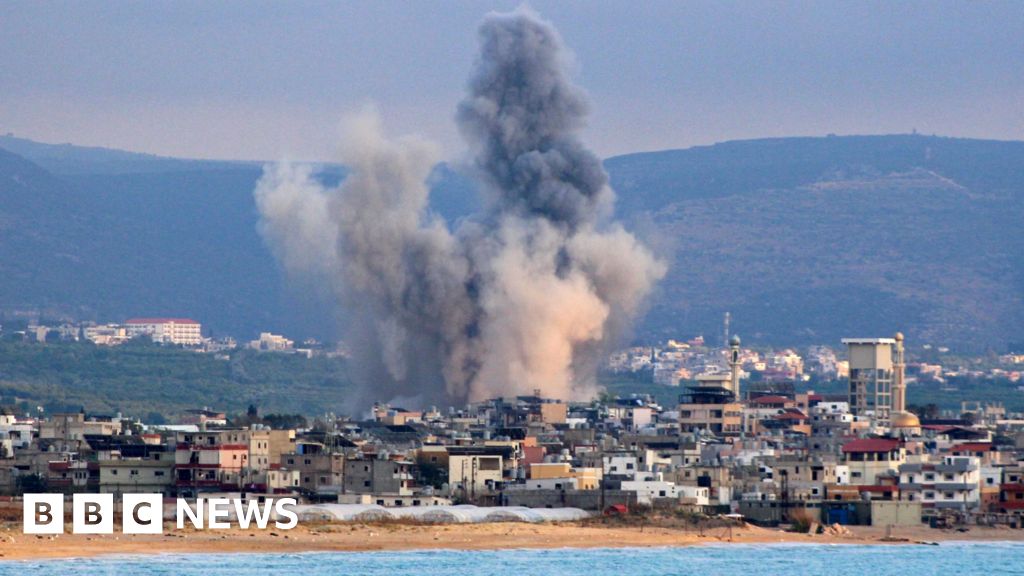
Tensions in southern Lebanon have escalated significantly, marked by documented Israeli military actions targeting infrastructure within the region. These strikes occurred against a backdrop of large-scale evacuations orchestrated by Israeli forces, which directed residents away from the border area. The intensity of the military activity has raised serious concerns regarding the humanitarian situation, as local communities are forced to deal with the immediate aftermath of shelling and structural damage.
Reports indicate that Israeli ground forces have increased their operations following what they termed violations of a ceasefire agreement. The directives issued required the withdrawal of civilians from substantial parts of the Lebanese territory, compelling an unprecedented scale of displacement. This forced movement has left many inhabitants, including those who were previously relocated from other affected zones, without clear destinations or adequate support, increasing the fragility of the local situation.
The Implications of Heightened Conflict
The current trajectory suggests a significant deterioration of regional stability. The repeated military exchanges and the implementation of sweeping evacuation orders point toward a high-stakes confrontation. Experts caution that the combination of combat action and forced migration places the southern Lebanese area at a precarious juncture. International humanitarian bodies have issued warnings, stressing that the current environment is rapidly approaching a critical breaking point that demands urgent attention.
Context of the Military Operations
The increased military posturing followed announcements regarding an expansion of ground operations by Israel. These developments were cited in response to reported militant actions, including drone attacks originating from the southern Lebanese areas against Israeli personnel and civilian sites in the north. The military’s stated posture involved readiness to act with considerable force in the face of alleged ceasefire breaches. Conversely, local militant groups have also claimed confrontations with Israeli troops on the ground.
The civilian experience in affected areas reflects a palpable sense of uncertainty and fear. Residents have witnessed firsthand the devastating impact of the strikes, seeing established buildings reduced to rubble. The suddenness and scale of the mandated departure have altered the lives of people who previously felt a strong connection to their communities, forcing a dramatic and distressing shift in daily life across the affected towns and villages.
About the Author