Escalating Tensions: US Military Strikes Occur Alongside Peace Negotiations in Qatar
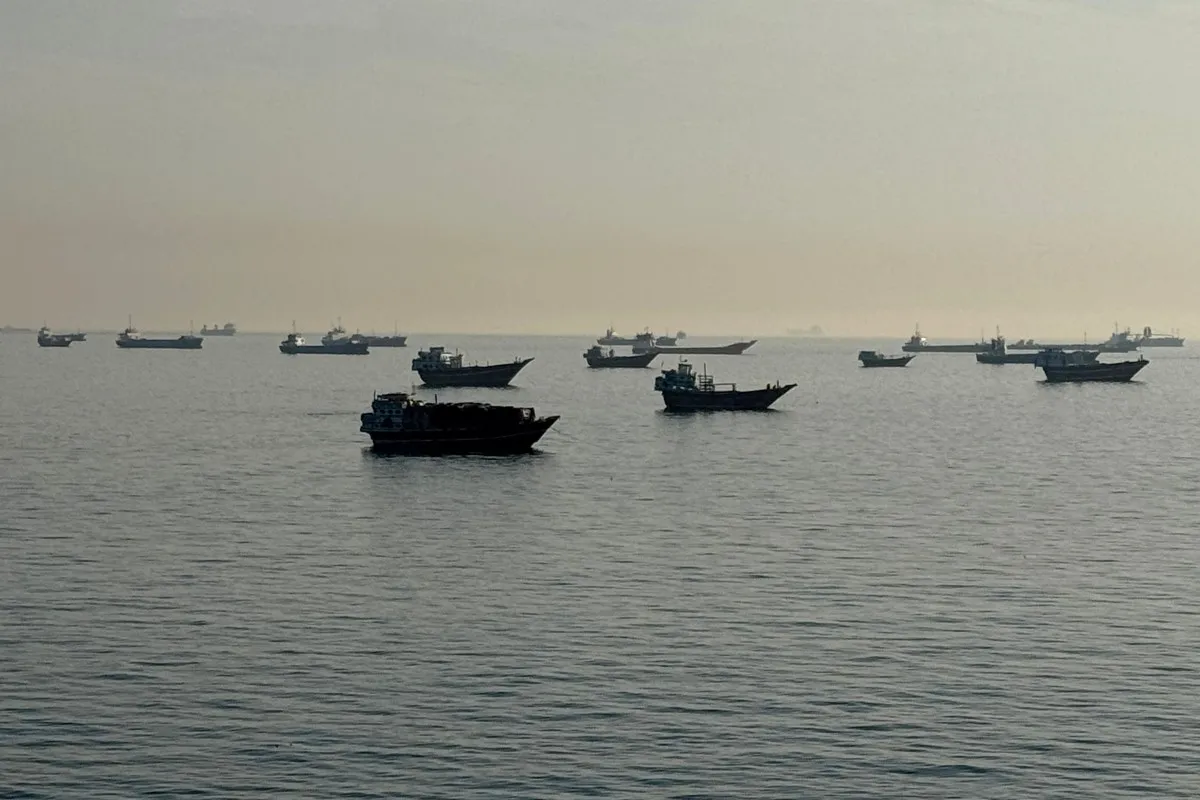
Recent military action in southern Iran has occurred despite ongoing diplomatic efforts between the United States and Iran. Reports indicate that US Central Command conducted strikes, citing the need for self-defense. These military maneuvers targeted specific installations, including alleged missile launch sites and Iranian vessels suspected of laying mines. Officials stated that the actions were taken to safeguard American personnel from perceived threats emanating from Iranian forces.
The timing of these strikes is noteworthy because high-level Iranian negotiators are simultaneously assembling in Qatar for discussions intended to broker a peace agreement with the United States. The juxtaposition of active military engagements and critical diplomatic talks creates a highly volatile environment, casting immediate doubt on the stability of the current de-escalation period that has been in place since early April.
The Implications for Diplomacy and Security
The recurrence of such confrontations suggests significant underlying friction that diplomatic talks may struggle to contain. The reported strikes, which occurred even while a formal ceasefire was supposed to be active, raise serious questions about compliance with the existing agreements. Analysts suggest that these kinetic events risk undermining the trust necessary for high-stakes peace talks to advance toward a definitive resolution between the two nations. The uncertainty surrounding the scale and precise objectives of the strikes further complicates the assessment of the situation’s trajectory.
Contextualizing the Confrontation
The backdrop to these developments involves deep-seated regional tensions and ongoing geopolitical negotiations. The focus on achieving a comprehensive understanding or de-escalation arrangement suggests that the relationship between the two powers remains strained. Furthermore, international observers have noted that these types of localized clashes have become a pattern, even after initial periods of calm. The ability of negotiators to establish a lasting framework for cooperation hinges critically on the military situation stabilizing and demonstrating a clear commitment to non-aggression across the region.
Background to Regional Stability Efforts
The ongoing diplomatic engagements are part of a broader effort to manage persistent tensions in the Middle East. The international community and the involved nations have been actively pursuing dialogue to prevent wider conflict. The presence of top envoys in neutral locations like Qatar underscores the international importance placed on reaching a sustainable political resolution. Ultimately, the effectiveness of these diplomatic pathways remains highly vulnerable to unpredictable military flare-ups, demanding careful monitoring from the international security community.
About the Author