Scrutinizing Policy Shifts and Industrial Commitments in Australian Governance
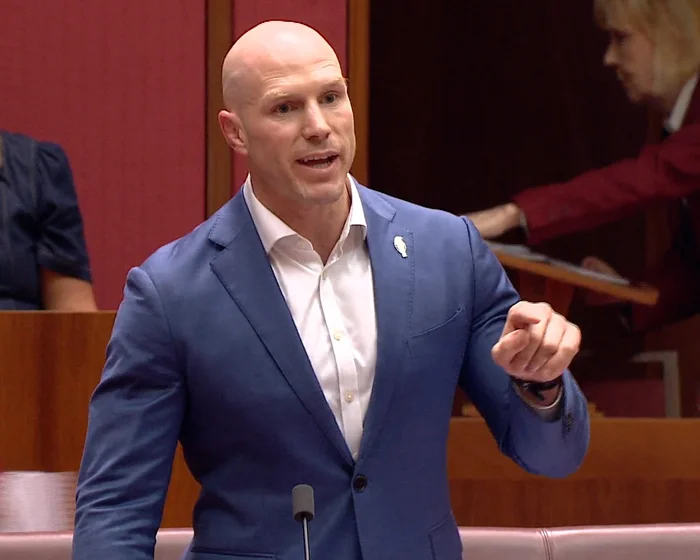
Recent political discussions in Australia have highlighted growing scrutiny regarding the consistency of major industrial players with their climate commitments, alongside ongoing debates about the federal government’s handling of significant national assets. Calls from independent political figures have pressed the administration on whether internal reviews have thoroughly assessed major mining corporations that appear to be revisiting or scaling back previous environmental pledges.
Meanwhile, political commentary has also touched upon the delicate nature of large-scale defense project timelines. Reports have suggested an atmosphere of unease surrounding the delivery schedules for critical military equipment, prompting questions about the reliability and progress of vital national procurements.
The Broader Economic and Energy Landscape
Beyond these industrial and defense matters, the nation’s energy grid is undergoing significant structural adjustments driven by the transition toward cleaner power sources. The integration of renewable technology, particularly large-scale battery storage, is central to these changes. These energy systems are being engineered to manage the fluctuating demands of modern consumption, aiming to smooth out electricity pricing curves by mitigating the high-cost periods typically seen at night when traditional sources like coal and gas are heavily utilized.
Furthermore, policy discussions are focusing on reforming the default market offer mechanisms to ensure pricing structures accurately reflect only essential operational costs, thereby promoting greater transparency and efficiency within the energy market. The goal is to leverage advancements in renewables not only for clean energy output but also for stabilizing overall electricity costs.
Contextualizing National Role in Global Climate Talks
In the arena of international climate governance, the government has articulated a positive view regarding Australia’s role in upcoming global summits. Officials have framed the country’s involvement as a valuable strategic opportunity, suggesting that active participation allows Australia to play a leading, or ‘outsized,’ role in shaping international climate policy frameworks. This perspective frames such international engagement as a necessary and beneficial investment in the nation’s global standing and economic future.
Taken together, these differing policy discussions—ranging from auditing corporate environmental actions to overhauling national energy infrastructure and asserting international diplomatic influence—paint a picture of a government grappling with the complexities of a profound economic and environmental transition while managing high-stakes domestic political scrutiny.
About the Author




