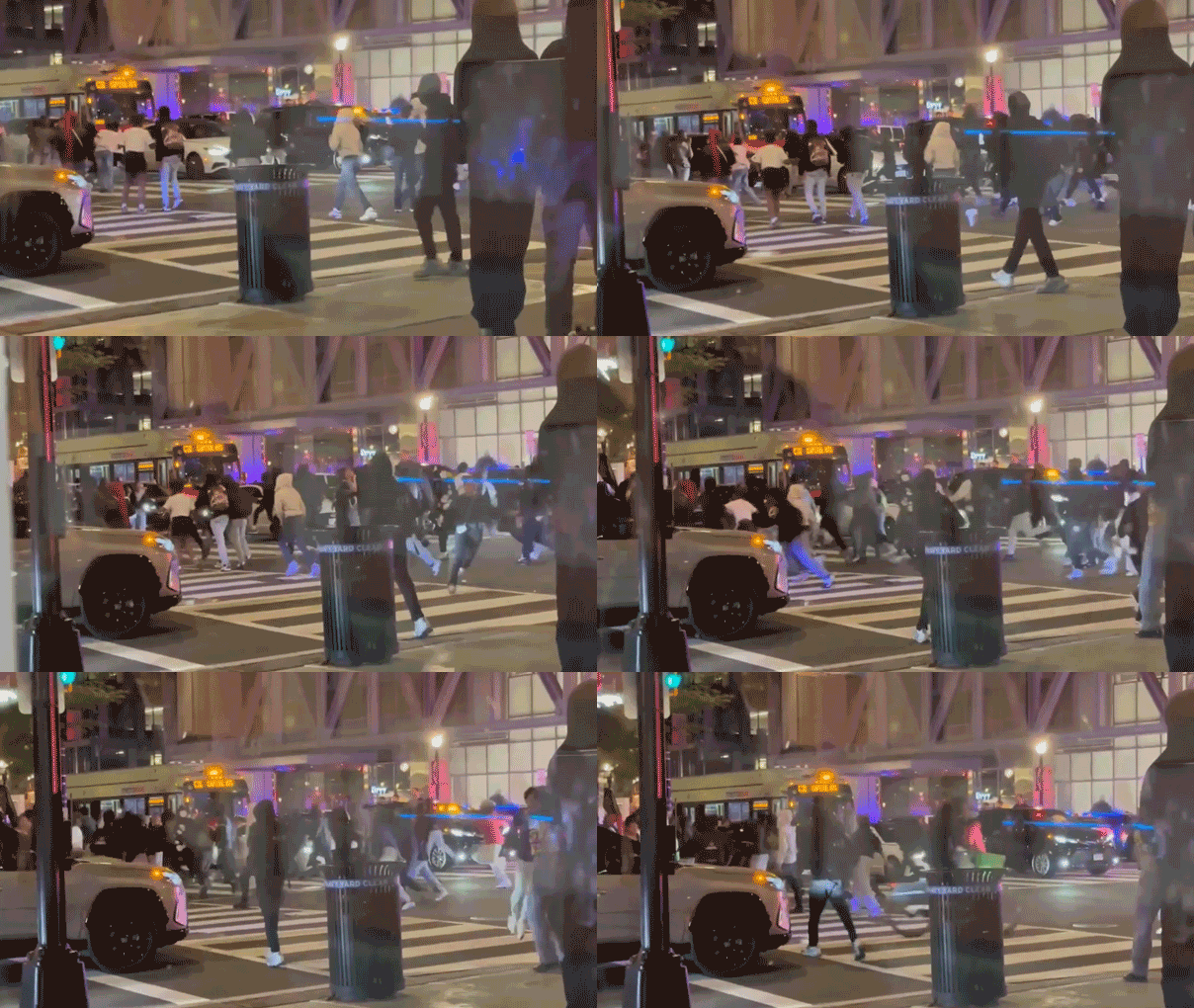
A Surge in Disorder: Public Spaces Under Strain
Reports across multiple metropolitan areas and tourist hotspots indicate a worrying trend involving large groups of young people disrupting public order. These incidents, dubbed ‘takeovers’ in some accounts, have created scenes of significant disorder, moving from localized skirmishes to widespread disruptions across various settings. From upscale commercial districts and popular beach areas to crowded retail spaces and restaurants, the pattern suggests a coordinated or emergent behavior that is overwhelming local law enforcement capacity in several locations.
Law enforcement agencies have reported responding to a range of escalating situations, including physical altercations, instances of property damage, and confrontations that have at times escalated to include weapons use. The sheer volume of participants in these gatherings, combined with aggressive behavior, has necessitated substantial police presence in areas not typically associated with such large-scale disturbances. Authorities are responding to calls for increased public safety measures following these visible breakdowns of civic order.
The Broader Implications for Community Safety
The emergence of such large, unruly crowds in varied public settings raises serious questions about youth engagement and community oversight. These events are not isolated instances of boredom; they involve organized disruption that affects paying patrons, local commerce, and general public safety. The severity of the reported incidents—including property destruction and confrontations—suggests underlying issues related to the regulation of youthful gatherings and the perceived lack of accountability for destructive behavior in urban environments.
Experts and legal figures commenting on these events have characterized them not as spontaneous fun, but as highly volatile and dangerous displays of disrespect for public property and established norms. The recurring nature of these incidents, spanning different states and types of venues, signals a potential systemic issue requiring more than just reactive police responses, pointing instead toward the need for comprehensive community and behavioral interventions.
Contextualizing the Trend
What links these geographically disparate incidents is a palpable sense of disregard for public space. In several instances documented recently, groups of youths have mobilized in established areas—such as bustling downtown cores, popular entertainment zones, and high-traffic commercial hubs—to create chaos. The visible pattern involves the rapid overwhelming of an area, leading to a breakdown of normal activity. Official statements made following peak moments of disruption have pointed toward the failure of existing protocols, particularly those related to age restrictions or curfew enforcement, to manage the scale and aggression of the crowds when they form.
Summary of Impact
In summary, the nationwide pattern of large, disruptive youth gatherings represents a challenge to local governance and public security. The documented escalation in behaviors, coupled with the wide geographical spread, suggests a recurring challenge to maintaining civil order in densely populated areas. Authorities are reportedly mobilizing resources to address these volatile scenarios, emphasizing the need for stronger preventative measures to safeguard public venues for all community members.
About the Author