Tensions Flare in the Middle East: Military Confrontations Continue Despite Ceasefire Calls
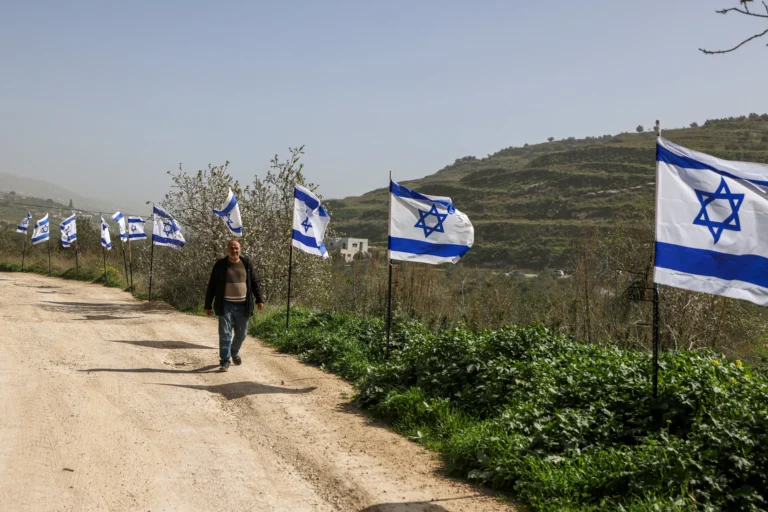
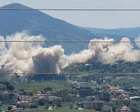
Recent reports indicate a continuation of heightened military activity in the Levant region, suggesting that localized flare-ups are occurring even amid calls for de-escalation. Israeli defense forces have publicly reported detecting rocket launches originating from southern Lebanese territory directed toward northern Israeli areas. This incident adds another layer of complexity to the volatile security landscape, suggesting that adherence to any existing pauses or agreements remains tenuous.
The pattern of activity suggests that military confrontation remains a significant dynamic, challenging any perception of immediate calm. The detection of projectiles crossing established lines of conflict points to persistent instability and a heightened risk of further localized flare-ups. This pattern necessitates continued close monitoring by regional powers and international observers.
Significance and Impact of Ongoing Friction
The persistent military posturing and documented exchange of projectiles underscore the fragility of the current security architecture in the area. Such incidents carry the potential to rapidly escalate from localized skirmishes to wider regional conflict. The implications for civilian populations are significant, as instability invariably strains essential services and heightens humanitarian concerns. Furthermore, regional diplomatic efforts are constantly tested by these operational realities, requiring sustained international mediation to prevent miscalculation.
The movement of foreign dignitaries and diplomatic discussions occurring concurrently with these military reports highlight a complex balancing act. While high-level meetings are taking place to address bilateral and regional concerns—such as recent diplomatic engagements involving key international figures—these talks must navigate the immediate backdrop of ongoing military friction, suggesting that diplomatic solutions are struggling to keep pace with on-the-ground tensions.
Understanding the Broader Context
The volatility in this geographical area has deep historical and geopolitical roots, often leading to cycles of conflict and subsequent fragile agreements. When localized military engagements occur, they immediately impact regional stability, drawing in external powers and complicating internal political dynamics. These flashpoints often serve as focal points for broader geopolitical maneuvering.
In this environment, any credible reports of conflict—whether citing observed rocket activity or diplomatic consultations—must be viewed through the lens of persistent regional tension. The interplay between military readiness and diplomatic negotiations remains the defining feature of the situation, making proactive de-escalation strategies a paramount concern for all involved parties.
About the Author