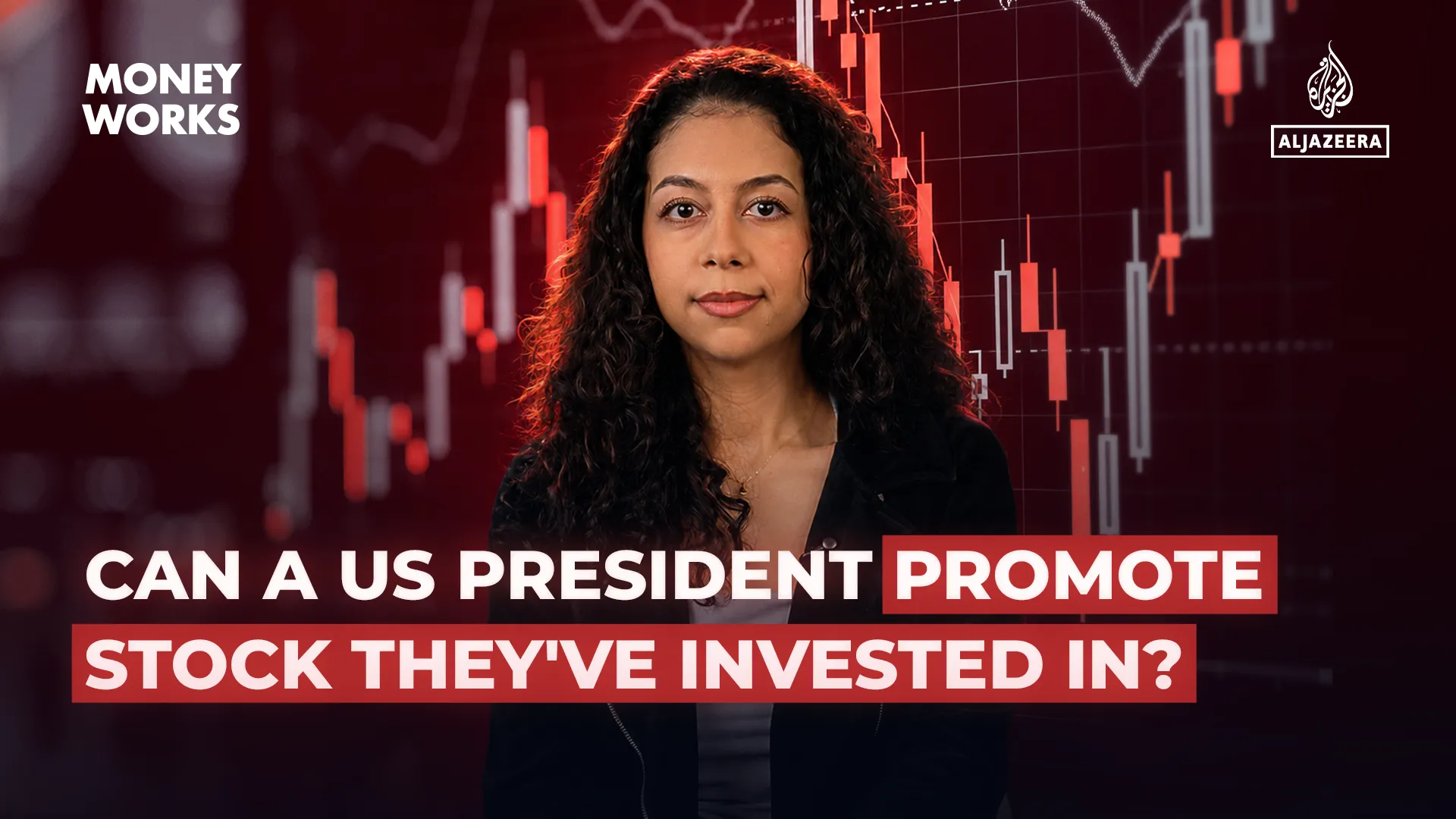
Ethical Quandaries: Analyzing Executive Stock Trading and Public Promotion
The relationship between a head of state’s personal financial investments and their public policy actions frequently sparks intense scrutiny regarding conflicts of interest. When a sitting executive promotes specific industries or companies through speeches, policy initiatives, or public statements, questions naturally arise about whether their own financial holdings are being unduly benefited by their advocacy. The core ethical dilemma centers on the perception—and potential reality—that policy promotion is motivated by personal financial gain rather than the broader public interest.
Recent examinations of high-profile executive financial activities have brought this tension into sharp focus. Such analyses often scrutinize the timing and nature of stock transactions made by top political figures, particularly when those trades occur near periods of significant policy announcements or public endorsements of particular market sectors. This scrutiny moves beyond simple disclosure requirements to investigate the underlying motivations behind the investment patterns themselves.
Implications for Public Trust and Governance
The implications of apparent self-dealing for democratic governance are significant. If the public believes that policy decisions are systematically steered to benefit a small circle of wealthy investors, it erodes the foundational trust between the governed and the governing class. Maintaining the appearance of impartiality is often argued to be as critical to maintaining market stability and political legitimacy as actual ethical adherence. When executives are perceived as profiting from their office, it suggests that the highest office is being used as a mechanism for private wealth accumulation.
Contextualizing Conflicts of Interest
Legally and ethically navigating the boundaries of personal wealth management while serving as a chief executive is notoriously complex. While numerous disclosure rules exist to track assets and trades, the enforcement mechanisms and the grey areas of ‘intent’ remain points of intense debate among legal scholars and watchdog groups. The concern is not just with blatant insider trading, which carries clear penalties, but with the more nuanced form of conflict where the *appearance* of impropriety damages the nation’s institutional credibility.
Furthermore, the issue extends beyond single figures to systemic oversight. The debate continually pushes for reforms that could mandate stricter blind trusts or require enhanced cooling-off periods for transitioning political leaders. The goal of such potential reforms would be to definitively separate the private portfolio from the public duty, ensuring that the machinery of government operates based on objective national need rather than maximizing personal returns.
About the Author