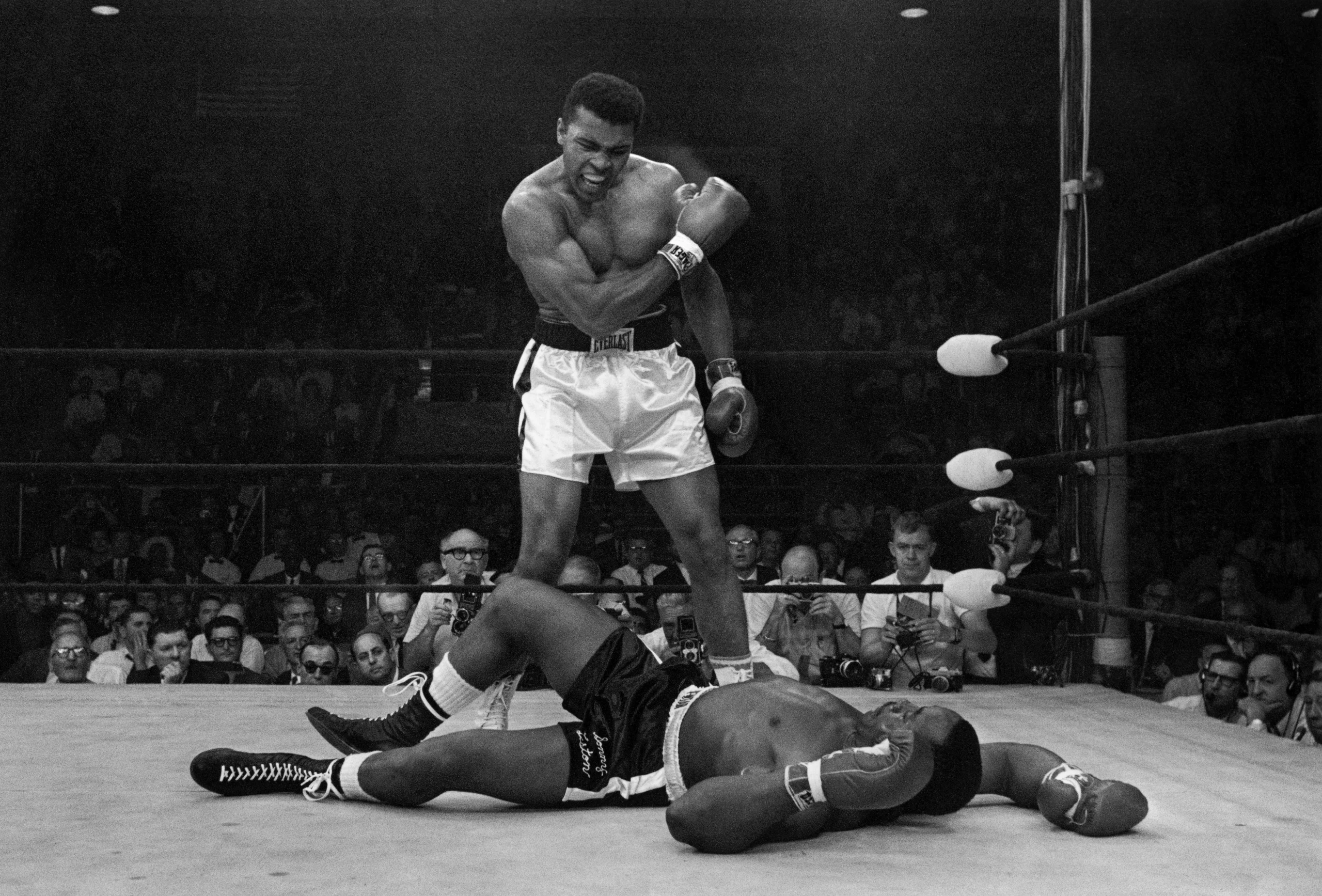
The Enduring Message of Service from Muhammad Ali’s Legacy
A decade after the passing of boxing icon Muhammad Ali, his spirit and powerful ethos continue to resonate, prompting calls for a heightened sense of civic responsibility and compassion. More than just a celebrated athlete, Ali cultivated a public persona defined by profound social conscience. In the years since his death, the gravity of his message—that one’s contribution to the community is paramount—has become increasingly relevant as societal divisions in the United States deepen. His life serves as a potent reminder that true greatness extends far beyond athletic achievements.
The narrative surrounding Ali consistently emphasizes that an individual’s worth is intrinsically tied to their commitment to a cause larger than themselves. This message, articulated through his unwavering advocacy and public stances, transcends the boxing ring. It points toward a universal call for empathy and mutual support, urging communities to find common ground despite polarizing political or social climates.
Understanding the Significance of Service in the Modern Era
The continued focus on a ‘day of compassion,’ echoing sentiments from his surviving family, suggests that the greatest tribute to Ali is not mere remembrance, but active participation in improving the collective human condition. In times marked by increasing polarization, the principles Ali championed—self-belief, moral conviction, and community upliftment—become essential touchstones. His legacy challenges observers to look inward and assess where their energy and talents can be best directed to benefit society at large, rather than simply engaging in divisive conflict.
The Context of Conscience Over Controversy
Throughout his life, Ali was known for his refusal to remain silent on issues of injustice or perceived wrongdoing. This willingness to speak truth to power, often at great personal cost, remains a defining characteristic of his public life. While the spotlight often focuses on his athletic triumphs, the enduring lesson lies in his outspoken activism. His career illustrates a powerful model: that one can command global attention while simultaneously dedicating that platform to meaningful social advocacy. This duality—stardom paired with deep moral purpose—is what continues to inspire discussions about civic duty today.
A Call for Reconciliation
Ultimately, the commemoration of Ali’s life shifts the focus from individual accolades to collective action. It underscores the idea that personal success is incomplete without a tangible contribution to the betterment of others. The emphasis placed on compassion serves as a societal mirror, reflecting a yearning for a period of reconciliation and understanding. It suggests that while disagreements are inevitable, the commitment to human dignity and mutual care must remain the foundational principle guiding public discourse and personal conduct.
About the Author