Expert Analysis of Motives: Understanding the Psychology Behind Extreme Political Violence
Following a volatile incident involving a shooting at a high-profile political gathering, forensic behavioral experts have offered insights into the mindset of the individual responsible. According to commentary from a seasoned criminal profiler, the actions were not necessarily the product of acute mental instability or psychosis. Instead, the analysis points toward a complex psychological state where deep-seated feelings of perceived grievance and a need for self-validation merged into a dangerous narrative.
The expert noted that the individual demonstrated signs of rational thought and emotional capacity, indicating a level of planning that belied mere impulsive rage. The preparation and communications leading up to the event suggest a meticulous construction of a personal mythology. In this self-constructed reality, the perpetrator framed their actions as a necessary, heroic intervention—a mission designed to save the perceived oppressed while simultaneously accepting self-sacrifice. This framing allowed the individual to morally justify actions that were outwardly violent and destructive.
What This Means: Deconstructing the Crisis Point
The significance of this profile lies in its ability to differentiate between sheer instability and calculated ideation. The assessment suggests that the motivation stemmed from a profound psychological crisis, possibly rooted in severe depression and anxiety, rather than a sudden break from reality. The willingness to engage in such extreme danger, knowing the risks, implies a loss of the basic will to live. When this fundamental will erodes, the perceived importance of the lives of others can shift dramatically, allowing radicalized viewpoints to take precedence over self-preservation.
Background Context: The Narrative of Self-Elevation
The profiler explained that committing acts of such violence requires the perpetrator to systematically minimize and rationalize their behavior. In this case, the objective—targeting political figures—was imbued with a perceived nobility. The analysis suggests that the outward political anger was the catalyst, but the underlying engine was a desperate need for self-esteem. The individual seemingly required an enormous, destructive act to elevate their own self-image to one of martyrdom or saviour, making the perceived sacrifice feel worthwhile.
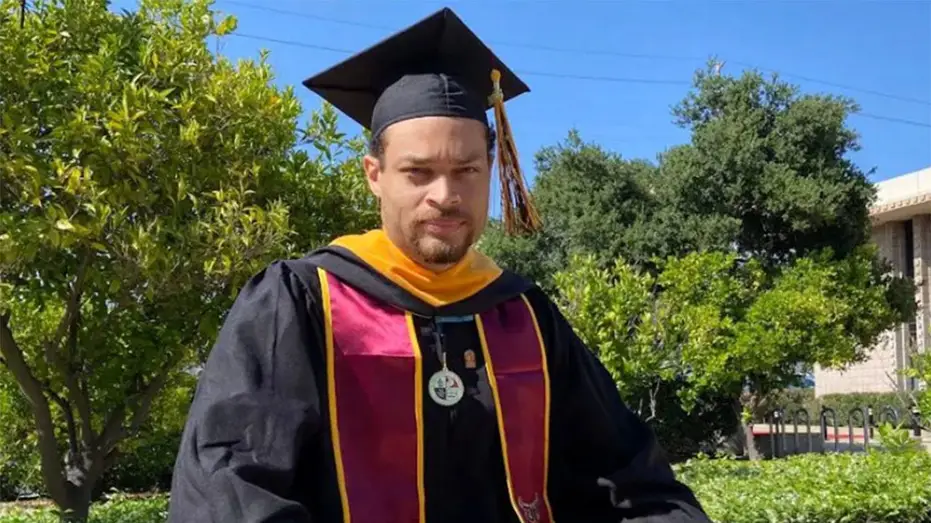
While the background details reveal a history marked by high academic achievement and involvement in civic activism, the psychological evaluation suggests that the intellectual capacity was ultimately co-opted to serve a self-destructive narrative. The expert concluded that the focus must remain on the confluence of ideological fervor and profound personal despair, making the act less a random outburst and more a tragically orchestrated self-redefinition.
About the Author