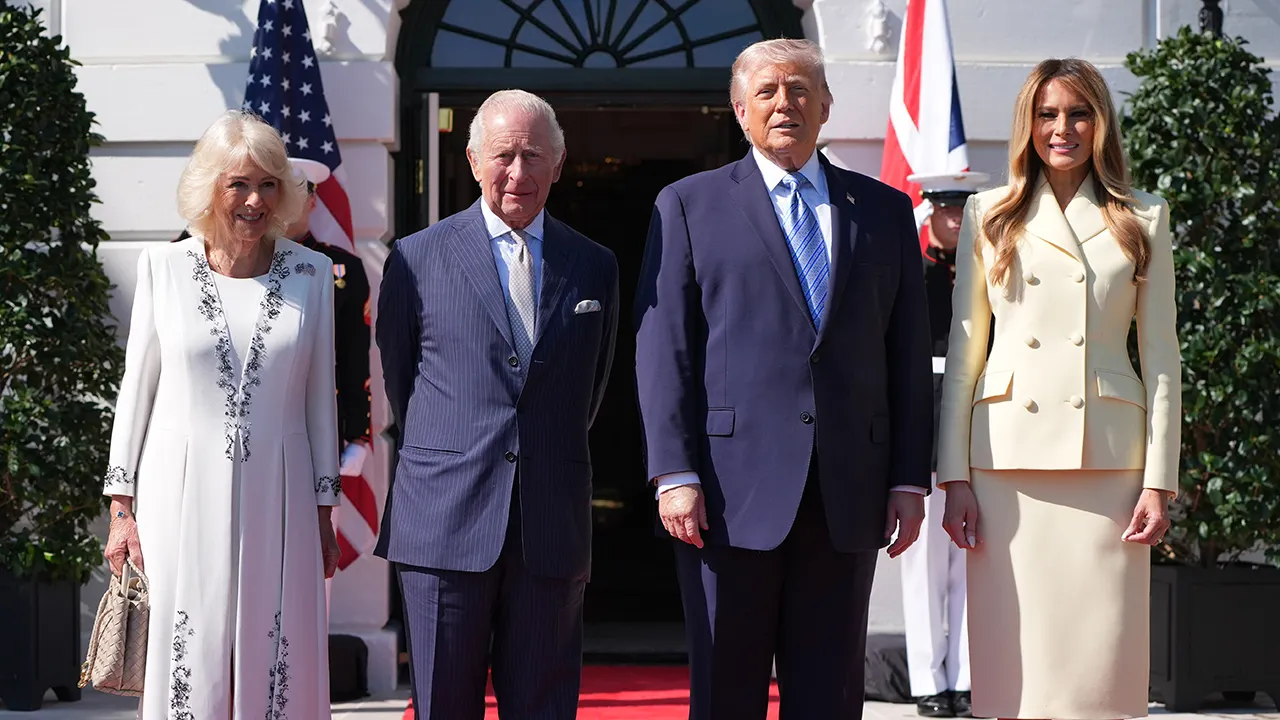
The highly anticipated arrival of King Charles in the United States is drawing significant attention, not only for the monarch’s presence but also for the anticipated speech he is set to deliver to a joint session of the United States Congress. This engagement marks a notable moment for the British royal family within the context of American governance, suggesting a symbolic effort to connect the British monarchy with the mechanisms of American political life.
While the royal itinerary itself is a major point of focus, the backdrop against which this visit occurs is characterized by ongoing domestic political flux and international concerns. Various areas of American policy and security are facing intense scrutiny, creating a complex media environment that overshadows the ceremonial aspects of the visit.
Beyond the diplomatic spotlight, other geopolitical and domestic issues are dominating headlines. Concerns persist regarding global energy markets, particularly in the Middle East, where storage limitations for crude oil have been reported. Furthermore, the political atmosphere reflects heightened tension, with recent events leading to intense examination of security protocols and public rhetoric among political figures.
What This Means:
The scheduling of a royal address in such a politically charged environment carries weight. It underscores the continued role of the monarchy as a soft-power diplomatic asset. For the US Congress, such an address can serve as a platform for discussing themes of global stability, constitutional tradition, or the enduring importance of democratic institutions, framing the monarchy’s message within a distinctly American political framework.
Meanwhile, the persistent focus on security following high-profile incidents indicates a heightened level of vigilance regarding political stability. This sustained scrutiny affects everything from the operational preparedness of federal agencies to the public statements made by political operatives, signaling a period of elevated governmental stress.
Background / Context:
Recent political maneuvering and legal battles have placed immense pressure on existing political structures. Issues concerning budgetary funding and the ability of political factions to maintain operational continuity have become key talking points. Moreover, there is an ongoing narrative of political confrontation, where high-stakes legislative debates and public criticisms are shaping the current national discourse. These underlying tensions provide the volatile setting against which international diplomatic events, such as the King’s visit, are viewed by both domestic and international observers.
About the Author