Explosive Device Discovery at Alabama Water Source Sparks Major Security Concerns
Authorities confirmed the discovery and subsequent detonation of a sophisticated, grenade-like improvised explosive device (IED) within a major Alabama reservoir. This incident raises serious concerns regarding the security of critical public utilities, as the water body in question serves as the exclusive drinking water source for hundreds of thousands of residents. The dangerous device was found during routine maintenance checks, allowing emergency response teams to neutralize the threat before it could cause a catastrophic failure or injury.
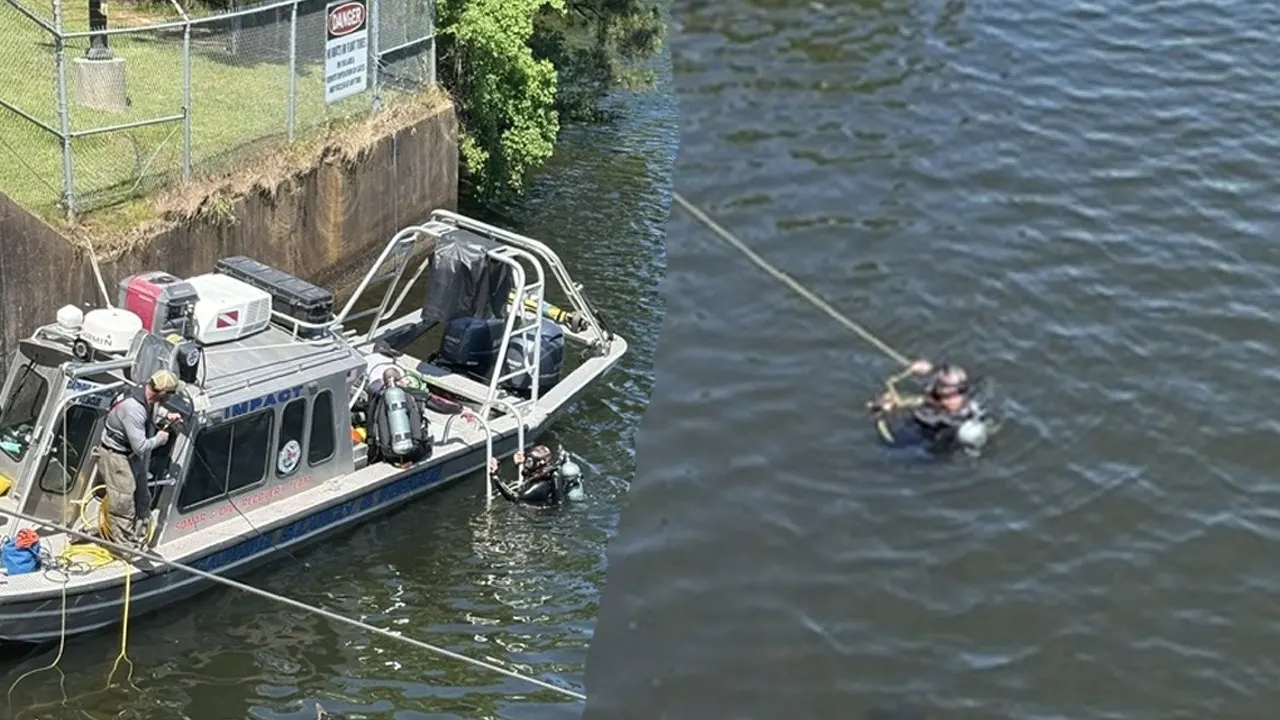
The handling of the threat required a significant, coordinated effort involving numerous specialized agencies. Multiple law enforcement units, including bomb squad teams from both federal and state levels, alongside local police and search and rescue experts, converged at the site. Their collective professionalism was credited with safely containing and destroying the explosive material. Officials emphasized that the prompt detection of the device was crucial, preventing potential damage to the vital water infrastructure and safeguarding the public.
The Implications for Public Water Security
The nature of this event suggests that the area’s essential water supply infrastructure is vulnerable to sophisticated threats. Because the reservoir in question is the sole provider for a large population center, any disruption or contamination event poses an immediate and severe risk to public health. The discovery underscores a growing national conversation regarding the physical and digital hardening of essential services, making water treatment facilities and reservoirs prime targets for malicious actors.
Investigation into the Breach
Following the safe removal of the explosive, immediate efforts shifted toward a comprehensive investigation. Authorities are working closely to determine how the device entered the enclosed water system and what the timeline of its placement was. Furthermore, the managing utility is escalating security protocols, planning to significantly boost the protective measures surrounding the dam and reservoir access points. This heightened focus on physical security is expected to lead to procedural updates and increased coordination between utility management and law enforcement agencies moving forward.
Understanding Critical Infrastructure Threats
This incident serves as a stark reminder of the reality of modern critical infrastructure risks. Beyond physical explosives, facilities managing resources for large populations must also defend against cyber intrusions. The unexpected presence of a physical bomb in the water supply mandates a reassessment of security measures—a review that must encompass everything from physical access points to digital control systems. The successful neutralization highlights the incredible skill of the response teams, but the mere discovery prompts lawmakers and utility experts alike to consider substantial investments in resilient defense systems.
About the Author