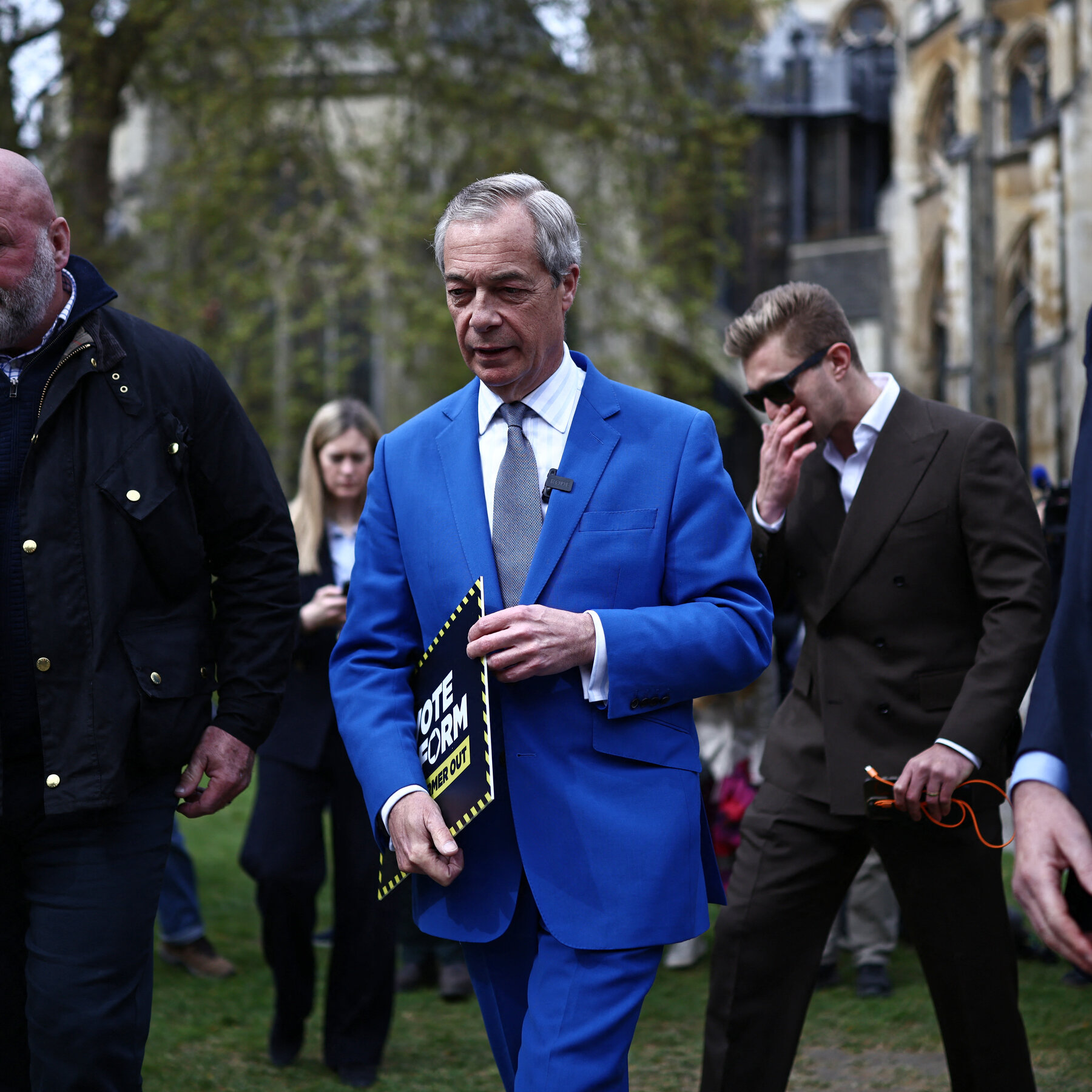
Analysis: Reform UK Leader Frames Significant Payment as Brexit ‘Reward’
Nigel Farage, the prominent leader of the right-wing political group Reform UK, has publicly framed a substantial financial receipt—reported to be around £5 million—as a form of compensation or ‘reward’ directly linked to the conclusion of the United Kingdom’s departure from the European Union. This assertion marks a notable shift in his public commentary regarding the funds’ purpose, moving away from previous explanations concerning personal safety.
The implication of this new framing suggests that the political achievements or advocacy related to Brexit are being quantified, in part, by this monetary acknowledgment. Such statements tend to draw significant public attention, prompting discussions among political analysts about the sources of funding for opposition movements and the perceived value placed on major political undertakings.
What This Means for Political Narratives
Farage’s characterization of the money as a ‘reward’ elevates the narrative surrounding Brexit from a complex political and economic process to a form of successful enterprise that warrants substantial recompense. This rhetorical strategy aims to solidify a sense of vindication for his supporters, suggesting that their political efforts culminated in tangible, high-value returns. For his party, this helps to frame their political identity around successful, decisive action against established norms, bolstering internal morale and external credibility within their base of support.
Furthermore, by linking the funds explicitly to Brexit, Farage seeks to cement the idea that the political momentum and visibility gained from the UK’s departure from the EU were central to his current standing and perceived influence. It suggests a clear, causal link in the public mind: the fight for Brexit led to this significant financial recognition.
Contextualizing the Funding Discussion
This new articulation contrasts sharply with earlier statements made by Farage concerning the same sum, which had previously been attributed to needs related to personal protection or security measures. The alteration in justification underscores a tactical evolution in public messaging. Political leaders often adjust the narrative surrounding finances to best suit the immediate strategic goals, whether that involves emphasizing personal security, campaign viability, or, as in this case, a triumphant reward for past political advocacy.
Discussions around such large sums of money within the sphere of national politics inevitably raise questions about the financial backing of populist movements. Whether this payment is viewed by supporters as deserved recognition or by critics as an overly dramatic attempt to monetize political success, it forces the wider political conversation to grapple with the material outcomes associated with major constitutional shifts like Brexit. The emphasis remains on the notion that decisive political action, particularly on the scale of leaving the EU, can yield considerable—and publicly displayed—rewards.
About the Author




