Federal Disaster Agency Staff Return After Advocacy Letter Highlights Deepening Preparation Risks
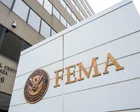
A group of employees affiliated with the Federal Emergency Management Agency (FEMA) have recently resumed their duties following an extended period of administrative leave. Their reinstatement marks a tangible turning point for the agency and signals a degree of internal pressure forcing a reconsideration of operational capacity. The employees’ return is directly linked to a collective action they undertook advocating for robust disaster readiness measures across the United States.
The core of their dispute centered on the perceived threat posed by policy decisions and funding reductions. By drafting and circulating a public communication, sometimes referenced as a ‘Katrina declaration,’ the workers voiced serious concerns about the gradual weakening of the nation’s ability to anticipate, prepare for, and effectively respond to major natural catastrophic events. This action served as a formal challenge to the operational guidelines and funding levels overseen by the administration at the time.
Significance of the Employees’ Advocacy
The significance of these employees’ coordinated action cannot be overstated; it underscores a significant internal resistance to policy shifts perceived as jeopardizing national safety infrastructure. When specialized federal personnel unite to issue a public warning, it typically indicates a deep-seated disagreement regarding the foundational mission of their agency. The message conveyed was that the degradation of readiness mechanisms posed a palpable danger to the American public in the face of increasing climate volatility and extreme weather patterns.
Rather than accepting departmental directives or funding cuts without protest, the staff utilized their collective voice to alert lawmakers and federal oversight bodies to a critical gap in preparedness. This move essentially reframed the debate from a budgetary discussion to one of core national security and public safety imperatives, placing intense focus on the long-term resilience of U.S. infrastructure.
Context of Federal Preparedness Challenges
The context surrounding this dispute highlights the ongoing tension between political fiscal directives and the scientific necessities of emergency management. Federal agencies responsible for disaster response operate within a complex ecosystem subject to shifting political priorities and funding cycles. Historically, major natural disasters serve as definitive stress tests for government capacity. Therefore, any perceived reduction in preparatory resources is viewed not merely as an accounting item but as a direct threat multiplier against the public.
Official statements throughout the sector have indicated that maintaining federal readiness requires consistent, substantial investment across prediction technology, logistical stockpiles, and rapid deployment personnel. The collective effort by these former employees suggests a belief that the necessary commitment to these areas was being undermined, creating a critical vulnerability that needed public acknowledgement.
Impact on Agency Oversight
The reinstatement itself suggests that the pressure generated by the employees’ advocacy—and the continued public focus on disaster readiness—ultimately influenced the administration’s decision regarding the employment status of the individuals. This outcome signals that internal dissent, when framed around a critical national interest, can exert measurable influence on federal policy and personnel matters within large government bodies. For the wider community, this case serves as a reminder that expertise-driven whistleblowing remains a key mechanism for ensuring that vital public services maintain the necessary operational integrity.
About the Author