Royal Diplomacy: Analyzing Subtle Messages from King Charles III’s American Visit
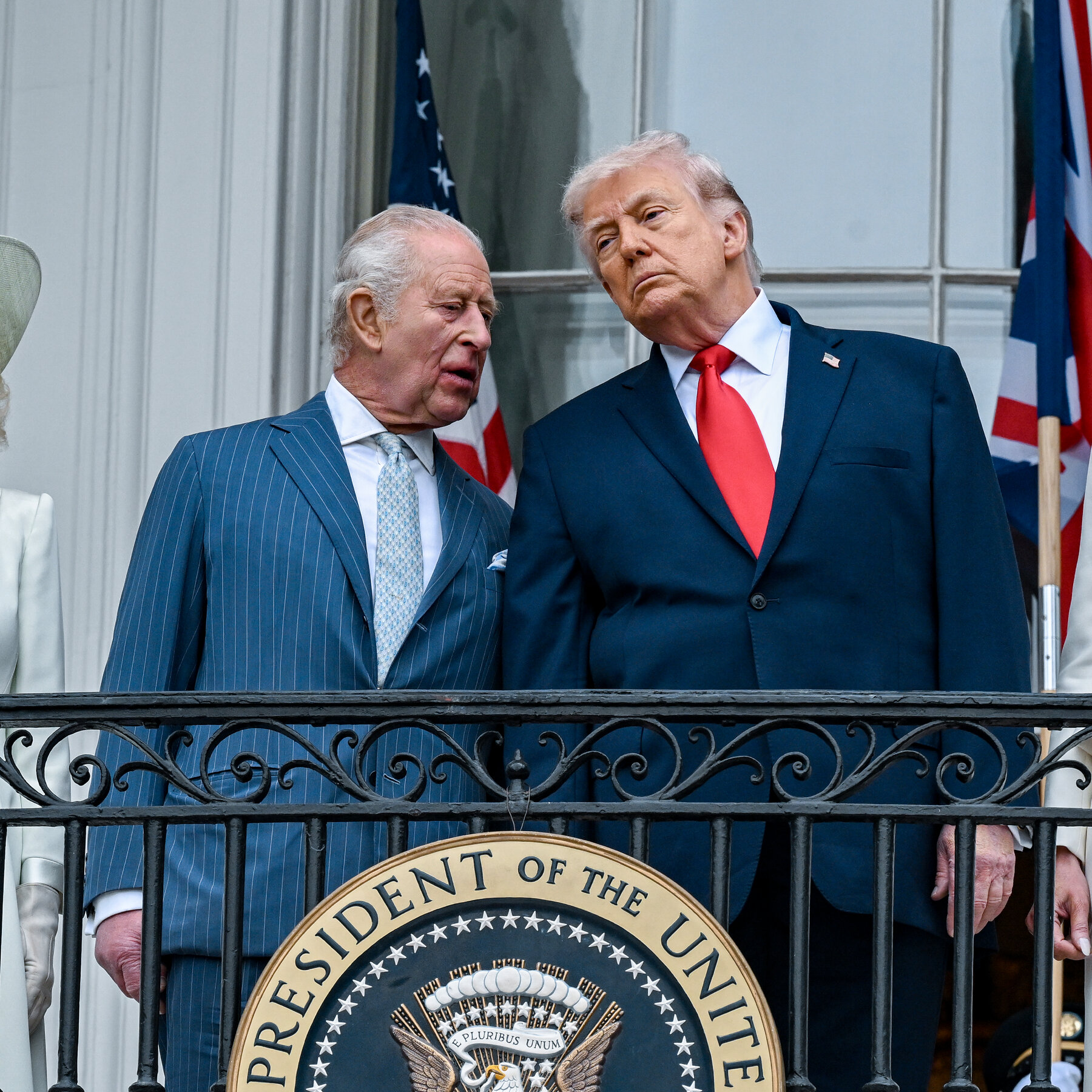
Recent observations of King Charles III’s engagements within the United States suggest a display of high-level, nuanced diplomatic signaling. Rather than relying on overt statements, the monarch’s actions and interactions have reportedly communicated a message—one that suggests an awareness of differing international approaches and norms. These subtle cues are being interpreted by international observers as more impactful than any direct critique, hinting at expectations regarding global leadership and standards of conduct.
The focus of this analysis centers on the art of suggestion. In the sphere of royal protocol and diplomacy, sometimes the most potent communication is achieved through careful omission or understated gestures. Experts watching the proceedings have noted that the manner in which the King navigated various engagements served to gently underscore differing global viewpoints. These non-verbal communications are reportedly rich with meaning, inviting deeper analysis into the underlying diplomatic currents at play during the visit.
What This Means: A Read on Modern Royal Influence
The ability of a global royal figure to issue pointed, yet delicate, messages speaks to the enduring power of soft diplomacy. When a monarch conveys a message subtly, it often carries weight precisely because it avoids the formality or confrontation of a direct political statement. Such signals tend to resonate with a broader, more culturally informed audience, compelling observers to look deeper for the underlying critique. For global political dynamics, this suggests that international scrutiny is highly attuned to matters of decorum, tradition, and leadership consistency, regardless of the political era.
Background and Context: The Art of Understated Diplomacy
Historically, royal visits have always functioned as more than mere social calls; they are significant diplomatic performances. The context of a visit to the United States, a nation with a distinct political and cultural landscape, naturally amplifies the reading of such nuanced signals. The way a royal addresses local customs, political structures, and societal expectations becomes a field for observation. When the performance feels flawlessly executed yet carries an undercurrent of critique, it elevates the event from a cultural exchange to a piece of international messaging. This points toward a continuing evolution in how global elites communicate expectations across vastly different national cultures.
About the Author