When disease outbreaks strike, the stories of recovery serve as powerful indicators of resilience and effective medical response. In the Democratic Republic of Congo, the recent successful discharge of several Ebola patients marks a notable turning point in the ongoing crisis. The successful return of these individuals, alongside various healthcare providers, signals significant strides in managing the epidemic’s threat. Authorities are emphasizing that while the situation requires ongoing vigilance, the medical advancements and community cooperation are proving that recovery is possible.
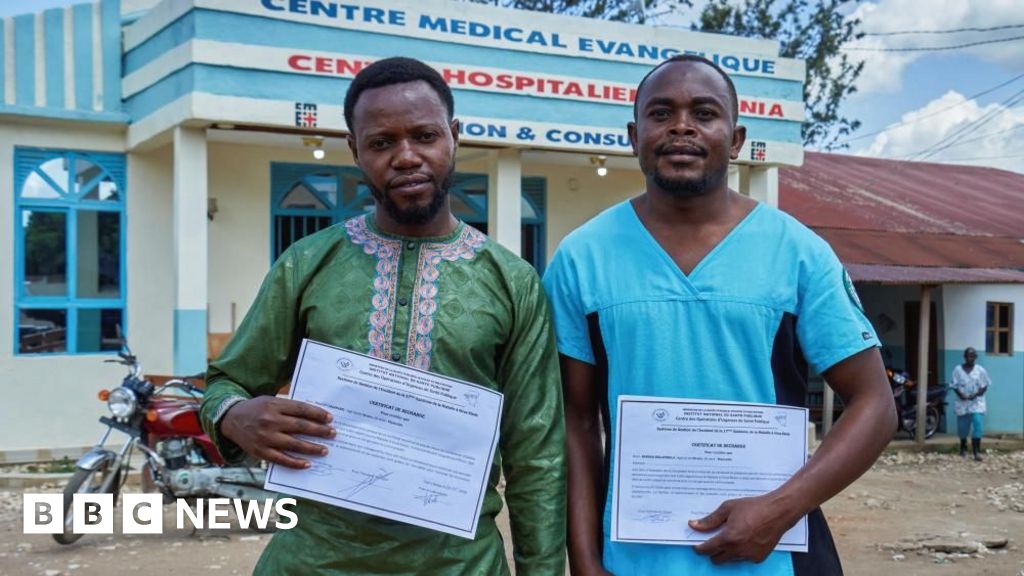
This positive development was marked by public acknowledgments, particularly for local healthcare heroes. During recent ceremonies, surviving nurses were honored, highlighting the immense personal risk undertaken by frontline staff. Officials and international health leaders have paid tribute to the dedication displayed by these medical professionals, who continue to serve communities despite the extreme dangers presented by the virus. Their sustained commitment underscores the depth of the challenge but also the capability of the local health infrastructure to adapt and fight back.
The recent achievements are attributed to a multi-faceted and systematic approach. Success hinges not only on advanced clinical treatments but also on proactive community involvement. Early identification of cases, comprehensive care protocols, rigorous tracking of contacts, and strong community buy-in are cited as the pillars underpinning the recovery journey. These integrated strategies are crucial for stemming the tide of infection.
This ongoing effort requires steady messaging to the populace. Health leaders have repeatedly advised that any signs of illness must be met with immediate professional medical attention, reinforcing the message that recovery is achievable with timely intervention. Furthermore, the wider community’s role cannot be overstated. Building trust between the public and the medical establishment is essential, especially when cultural practices clash with necessary public health regulations concerning deceased individuals. Open dialogue and mutual respect are positioned as critical components for the final victory over the pathogen.
About the Author