Allegations of Official Interference Surface During Child Care Fraud Probe
A former state investigator has come forward with testimony alleging that state government officials attempted to restrict his findings regarding fraud within Minnesota’s child care assistance programs. During a recent hearing before a state committee, the investigator detailed instances where senior departmental staff allegedly directed him to alter or suppress crucial information contained in reports. These accounts suggest a pattern of institutional resistance to transparent oversight concerning the misuse of public funds.
The core of the allegation centers on a specific incident in 2018. According to the testimony, while preparing materials for the Office of the Legislative Auditor, the investigator claimed that a high-ranking Department of Human Services (DHS) employee instructed him to bypass official channels and submit materials directly to the department first. When the investigator proceeded to share findings on fraud trends, the senior official reportedly reacted strongly, explicitly demanding the removal of several sections of the submitted documentation.
The Impact of Alleged Suppression Efforts
The testimony points to a perceived concerted effort by state agencies to manage, and potentially obscure, information related to financial irregularities in the child care sector. The alleged pressure extended beyond simple procedural redirection; it included documented demands to delete substantial portions of investigative work. This raises significant questions about the integrity of oversight mechanisms meant to protect public funds earmarked for services like child care assistance. If these accounts are accurate, they suggest that departmental interests were prioritized over the mandated duty to report findings truthfully to oversight bodies.
Context of State Oversight Challenges
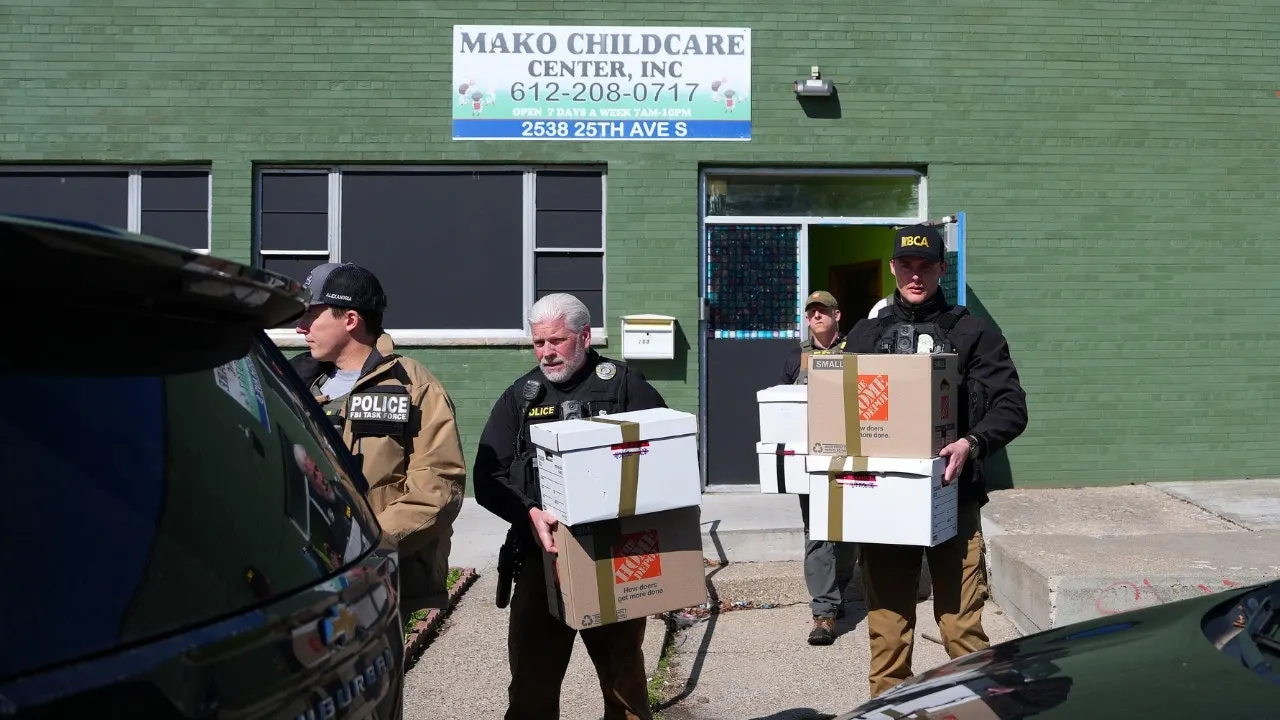
These allegations emerge amid broader concerns regarding the management of federal and state funds allocated to social services. The scrutiny intensifies as external federal law enforcement actions continue to target multiple childcare facilities across the region. Furthermore, the investigator noted that his past work had previously led to significant legal actions, such as an indictment for theft and fraud stemming from an investigation into another child care provider. The contrast between the visible, sweeping federal raids and the internal allegations of state-level redaction paints a complex picture of accountability within the system.
Significance for Public Trust and Governance
The significance of this testimony lies in its direct challenge to the operational transparency of a major state department. For oversight bodies like the Legislative Auditor, unimpeded access to data and findings is paramount. The allegations suggest that improper internal pressure can undermine the reliability of state-produced data, leaving the public and lawmakers uncertain about the true scope of mismanagement or fraud. Ultimately, the revelations underscore a recurring tension in governance: balancing operational autonomy with the absolute requirement for open, verifiable reporting on the use of taxpayer money.
About the Author