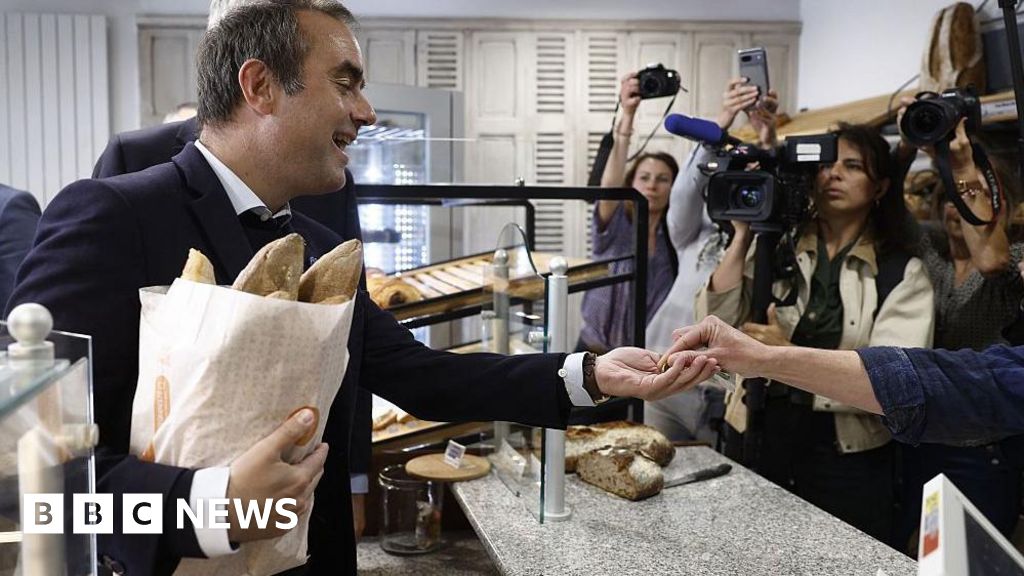
A recent public outing by a high-ranking French government official has placed the ongoing debate surrounding commercial activities on national holidays squarely back in the spotlight. The prime minister’s visit to purchase staple goods from a small village bakery, coupled with flowers from a local vendor, drew immediate criticism from labor organizations. The event has fueled the contentious discussion over whether national public holidays, such as Labor Day, should remain strictly observed days of rest for all commercial establishments.
At the heart of the matter is a proposed legislative change allowing certain independent businesses, including bakeries and florists, to operate on what is traditionally a mandatory closure day. Current French law reserves operations on such days primarily for deemed essential services, such as medical facilities and lodging, with mandatory premium pay for staff. The proposed framework seeks to normalize the inclusion of local trades into this exception, contingent upon employees explicitly volunteering for the shift and receiving enhanced compensation.
What This Means: Balancing Commerce and Labor Rights
The government’s push to allow these specific retail sectors to remain open signals a significant shift in how labor law intersects with the economy. Proponents argue that such flexibility is necessary to ensure the
About the Author