Executive Authority and Congressional Oversight: Navigating Presidential Powers in Foreign Conflicts
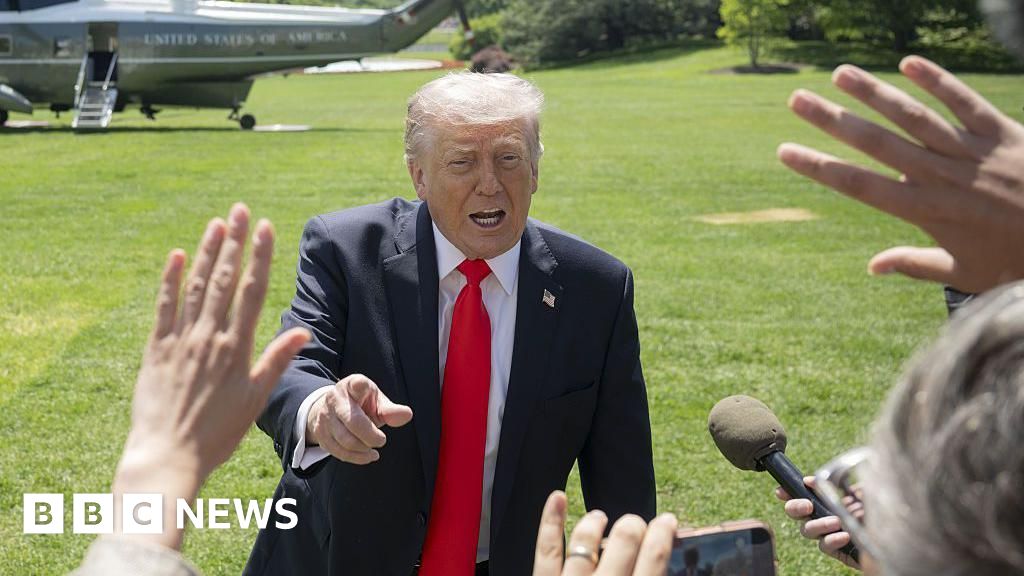
Recent communications from the executive branch have reignited a significant debate regarding the boundaries of presidential authority during military engagements. A central point of discussion revolves around the legal mechanisms that govern the deployment and continuation of armed forces operations abroad. Specifically, the assertion has been made that ongoing agreements to cease hostilities might legally alter or suspend established timelines for Congressional review and authorization.
This discussion touches upon established statutory requirements intended to balance the swift need for military action with the fundamental checks and balances inherent in the American constitutional structure. When the executive branch directs military operations, certain legislative frameworks kick into effect, compelling a review period designed to ensure a continuous dialogue between the President and the Congress regarding the scope and duration of hostilities. The interpretation of when these mandatory review periods pause—particularly in the presence of a de facto ceasefire—remains a highly contested legal area.
The implications of this dispute are profound, touching upon the separation of powers. Advocates for executive flexibility argue for an interpretation that prioritizes operational realities and established understandings of diplomatic pauses. Conversely, legislative bodies and some legal experts maintain that statutory timelines are strict and must be adhered to regardless of diplomatic agreements, thereby requiring formal Congressional engagement to authorize sustained military involvement.
The Mechanics of Power Limitation
The legal context in question relates to legislation designed to manage the use of armed forces. Historically, this framework was implemented to establish defined limitations on presidential wartime powers. According to reports on the matter, a specific statute dictates that if US armed forces are deployed for combat operations, the President has a defined period to either withdraw those forces or secure necessary legislative endorsement for continuation. This mechanism is intended to prevent prolonged conflicts from proceeding without ongoing support from the legislative branch.
When the status of hostilities changes, for instance, through a mutual agreement to halt fighting, legal interpretations diverge. Some officials argue that the cessation of conflict itself acts as a pause button on the statutory clock, effectively resetting the countdown or modifying the timeline for required Congressional action. However, others contend that the law’s provisions are time-based, independent of battlefield conditions, thus mandating that the official clock continues to tick until a formal vote or extension is secured.
Historical Context and Significance
The underlying legislative structure governing these rules has roots in past conflicts, having been enacted to refine the balance of power following specific historical periods of prolonged military engagement. These rules are designed not to prevent military action, but rather to institutionalize a requirement for Congress to remain actively informed and to approve continued commitment of national resources to sustained conflict.
The current dispute underscores a perennial tension in American governance: the immediate, decisive action required by national security concerns versus the deliberative, authorizing function of a co-equal branch of government. Ultimately, the disagreement highlights the unresolved legal interpretation regarding whether diplomatic truces are sufficient to suspend strict legislative deadlines, or if statutory adherence demands a more direct and immediate legislative reckoning.
}500-800 words}
About the Author