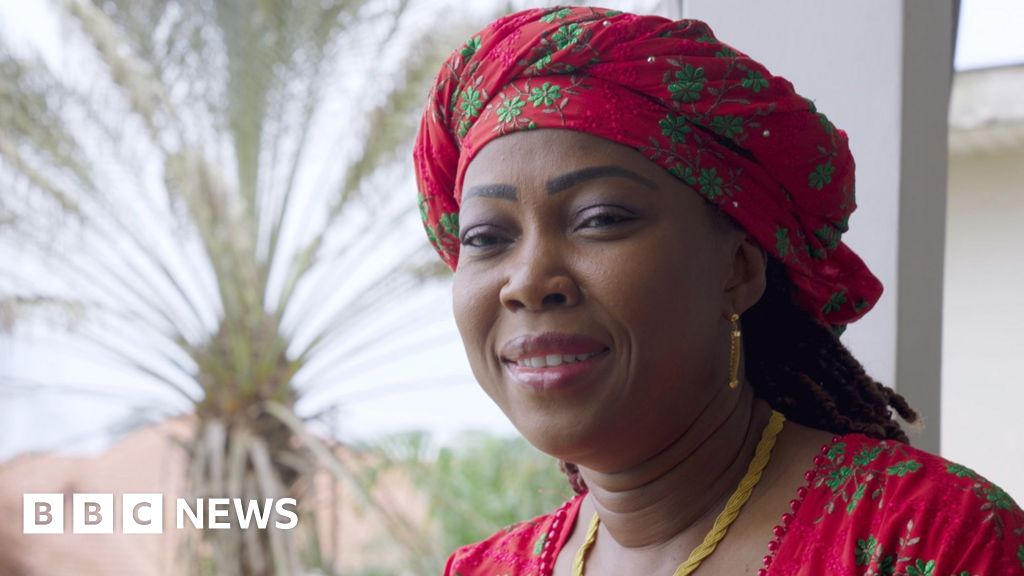
From Personal Struggle to National Advocate: The Journey of Sierra Leone’s First Lady
Fatima Bio’s life trajectory represents a dramatic shift from early vulnerability to significant public influence. Her personal narrative is one that involves overcoming deep societal limitations, beginning with arrangements for a premature marriage. This background has profoundly shaped her advocacy, making her a notable figure in contemporary national discussions. Her journey highlights a remarkable passage from an expected predetermined path to achieving independence and a platform where she can champion causes she deeply believes in.
The critical turning point in her life involved an escape during a period of instability. Unable to proceed with an arranged marriage slated for her early teens, she found herself in a desperate need to relocate. This forced transition led her to seek refuge in the United Kingdom, an experience she described as foundational to her newfound self-reliance. This time abroad proved pivotal, granting her not only a physical sanctuary but also the confidence and voice necessary to advocate for others.
Since establishing herself in the diaspora, Bio built a professional life, which eventually led to meeting and marrying the current President of Sierra Leone. As the nation’s first lady, her public role is viewed through a lens of both admiration and controversy. Some segments of the population commend her outspoken nature, particularly her dedication to gender empowerment and the rights of young women. Conversely, others have voiced concerns regarding the extent of her involvement in the political machinations of the ruling party.
What This Means: Impact on Social Governance
Bio’s most enduring impact appears to be her dedication to reforming deeply ingrained social practices. A key achievement she has championed is the implementation of a law designed to prohibit the marriage of minors in Sierra Leone, a piece of legislation that became effective recently. This advocacy stems directly from her lived experience, serving as a powerful, personal impetus for policy change. Her platform is utilized to draw international and local attention to the necessity of protecting the autonomy of young women from forced unions.
Background and Context: Overcoming Constraints
Her story illustrates a common struggle against patriarchal customs. The original plans for her marriage were set in motion when she was still quite young, with little room for personal consultation or consent. Escaping this situation during the turbulence of the civil war provided the necessary window for her to pursue a life path of her own choosing. Furthermore, securing stable housing in a major international city like London, which she has maintained since, symbolizes the enduring foundation of independence she sought.
Collectively, these experiences—the denial of personal choice, the necessity of flight, and the subsequent rebuilding of identity—have culminated in her powerful, albeit sometimes polarizing, role in national affairs. She has transformed personal trauma and survival into a visible, political force aimed at societal betterment.
About the Author