US Envoys Journey to Pakistan Amid Tense Negotiations with Iran
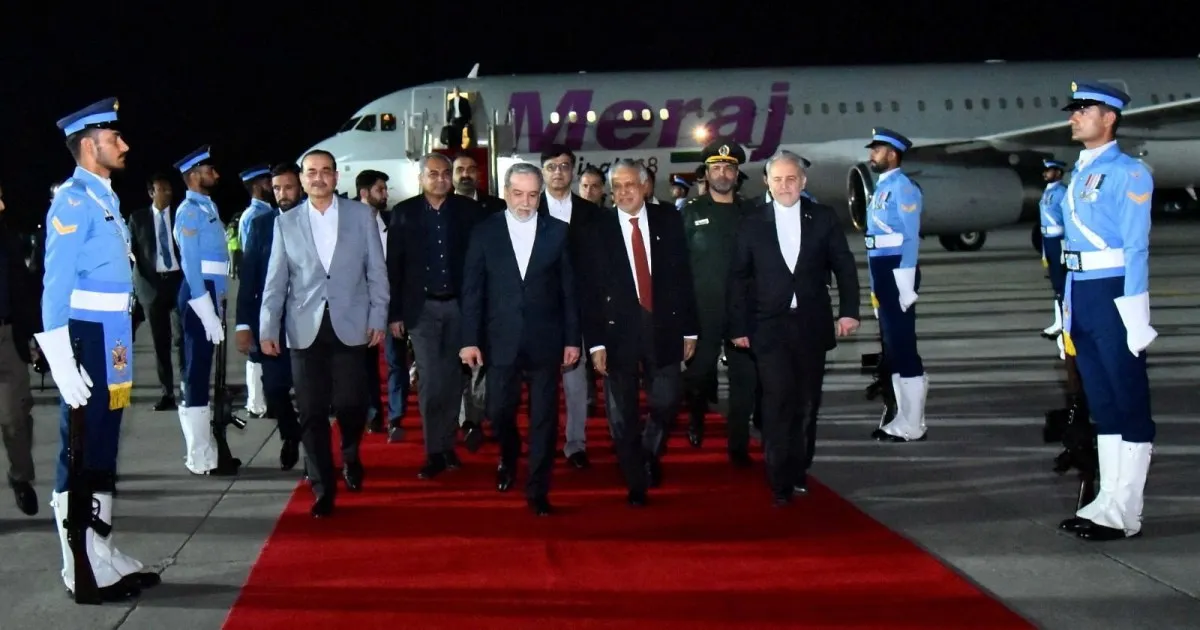
As diplomatic efforts continue to navigate a period of high tension, the focus of international engagement is shifting toward Pakistan. High-profile visits are expected in Islamabad, bringing together representatives from the United States and Iran. Senior American envoys are scheduled to arrive in the country, slated for discussions concerning the complex relationship between Tehran and Washington.
This planned convergence of diplomatic figures occurs against a backdrop of stalled talks between the two nations. The uncertainty surrounding whether Iran will commit to resuming substantive discussions remains a key element influencing regional stability. The movement of the Iranian Foreign Minister to the capital adds another layer of gravity to the diplomatic timetable, signaling continued engagement despite the current impasse.
The Diplomatic Significance of the Pakistani Stopover
The arrangement for US envoys to meet in Pakistan suggests that the nation may serve as a critical intermediary or a neutral ground for advancing dialogue. These visits are being timed as part of broader efforts to break a diplomatic stalemate. The core objective appears to be encouraging Iran to reconsider its pursuit of nuclear capabilities and to facilitate a return to a framework of verifiable agreement.
Official statements indicate that diplomatic channels are encouraging Iran to seize a final opportunity to reach a comprehensive understanding. The emphasis remains on finding a path that allows Iran to move away from its nuclear ambitions in a manner that international security partners deem substantial and verifiable. The movement of these key players signals that multiple parties view a breakthrough as imminent, while simultaneously managing expectations regarding the difficulty of the negotiation process itself.
Implications for Regional Stability and Dialogue
The focus on these high-level talks underscores the deep geopolitical stakes involved. The ability of these dialogues to achieve tangible results could significantly alter the calculus of regional power dynamics. If agreements are reached, the implications would span security treaties, economic cooperation, and regional arms control. Conversely, if the current deadlock persists, the implications point toward sustained diplomatic friction and heightened regional instability.
These ongoing diplomatic maneuvers reflect the intense scrutiny placed on de-escalation efforts. The presence of US envoys and Iranian officials in Pakistan suggests a multilateral effort is underway to manage tensions, emphasizing dialogue as the primary mechanism for resolving long-standing disagreements between the superpowers and their key regional partners.
About the Author