Global Powers Address Energy Security Amid Middle East Tensions
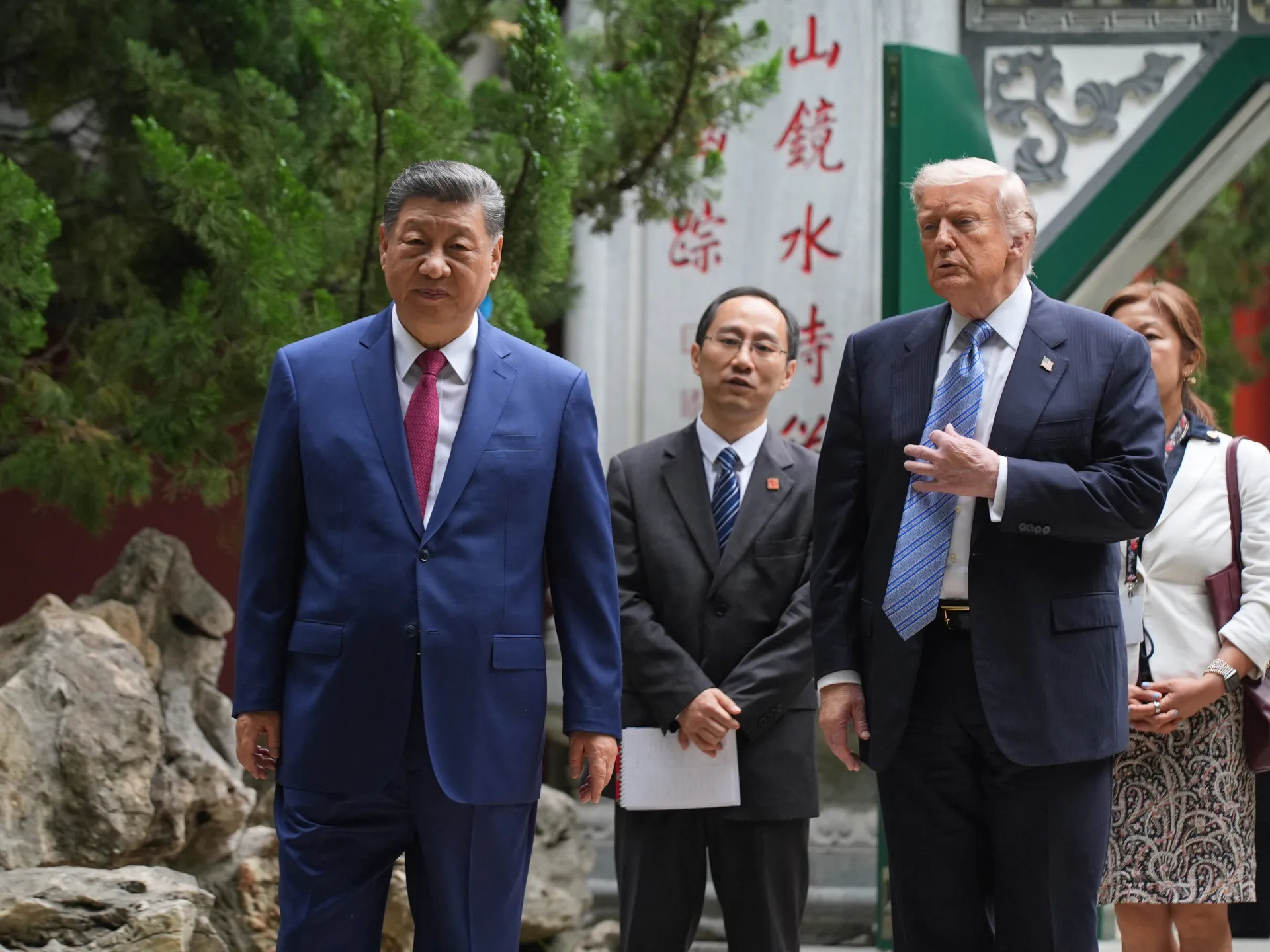
International diplomatic efforts are increasingly focused on maintaining the free flow of vital global resources, particularly energy. High-level discussions between leaders from major economies have underscored the critical importance of key maritime chokepoints to international trade and stability. Specifically, discussions involving leaders from the United States and China revisited the strategic waterway known as the Strait of Hormuz. The consensus reached suggests a strong, mutual commitment among these global players that this vital transit route must remain unobstructed to support worldwide energy supplies.
Simultaneously, diplomatic tensions are escalating in other theaters, highlighting deep rifts in international cooperation. While major economies work on energy access, regional political alignments are shifting under stress. In a parallel development, discussions are continuing in Washington D.C. aimed at de-escalating ongoing hostilities. These talks seek a pathway to an end to fighting in southern Lebanon, continuing even as military actions remain active across local communities.
Significance of Global Energy Diplomacy
The convergence of discussions focusing on global energy arteries points to a shared recognition among world leaders regarding the immense economic leverage inherent in maintaining open sea lanes. The importance of maintaining access to maritime passages like the Strait of Hormuz cannot be overstated; such passages function as essential conduits for the bulk of the world’s liquid energy supplies. Agreements reinforcing the necessity of these routes signal that energy security is being prioritized at the highest levels of geopolitical strategy, suggesting that global economic stability is viewed as highly dependent on unrestricted maritime access.
Shifting Regional Power Dynamics
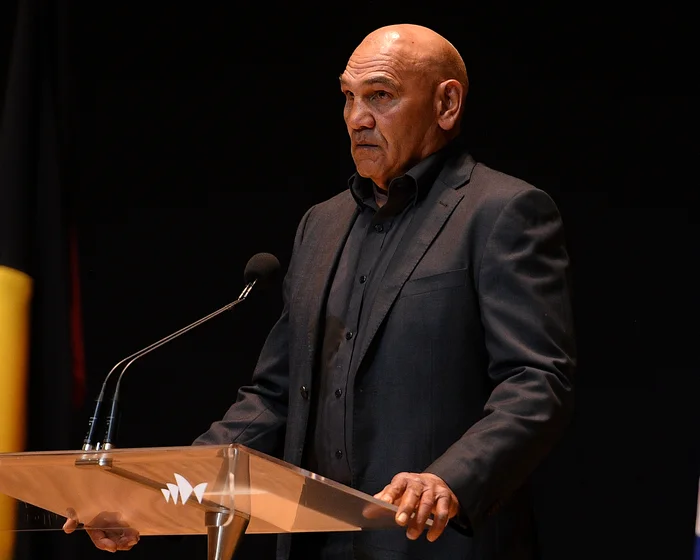
Beyond the primary economic concerns, regional diplomatic forums are seeing intense political maneuvering. At international groupings comprising developing nations, speeches are being used to address geopolitical conflicts in the Middle East. Leaders from one nation have publicly called upon their international counterparts to issue statements criticizing certain actions, labeling them as contrary to international legal norms. These addresses emphasize a stance of unwavering national resolve, asserting that the nation will not yield to external pressures or coercion.
Context of Competing Agendas
The current international landscape is characterized by parallel diplomatic tracks addressing fundamentally different issues. On one side, dialogue aims to stabilize major global trade lifelines through dialogue between superpowers. On another, the focus shifts to protracted regional conflicts, where direct negotiations are ongoing between local and regional negotiators. This juxtaposition illustrates a complex global moment where overarching economic imperatives clash with deep-seated, localized political disputes, requiring multifaceted diplomatic engagement to manage potential instability.
About the Author