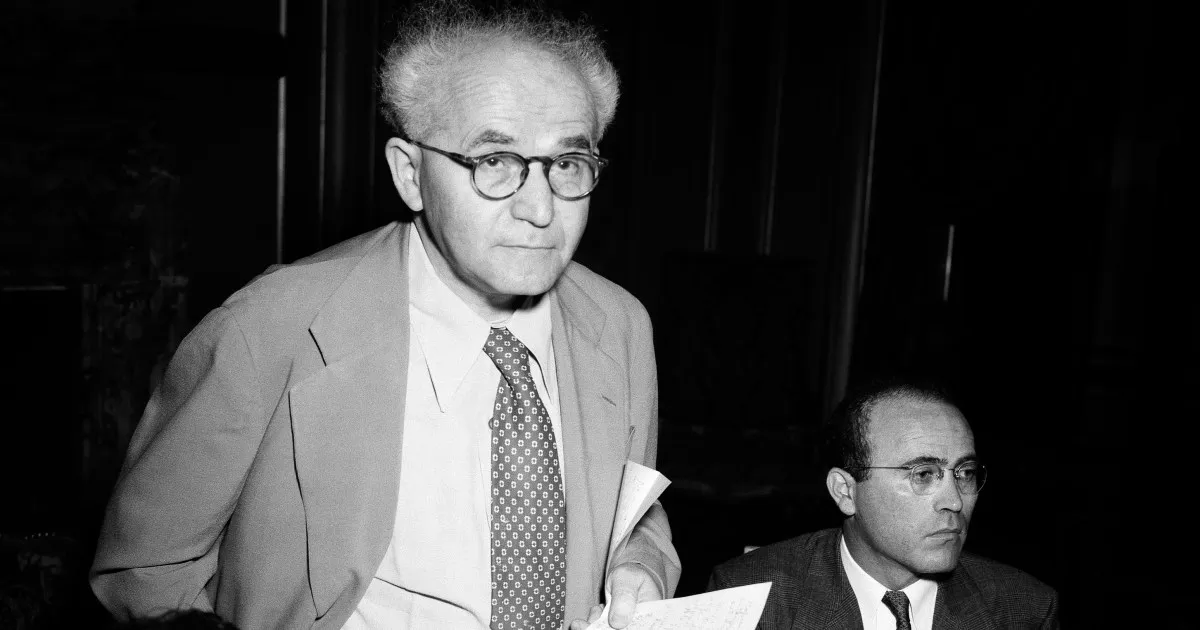
The Zionist leadership’s initial assumption regarding the fate of the Palestinian population following the 1948 establishment of Israel proved profoundly incorrect. Core figures within the movement, such as David Ben-Gurion, operated under the premise that the Palestinian identity lacked deep roots, predicting that the displaced people would either integrate fully into surrounding Arab nations or simply fade from the notion of reclaiming their ancestral territories. This viewpoint underestimated the depth of the national consciousness developing within the refugee community.
Instead of dissolving or forgetting their heritage, the Palestinian national cause demonstrated a remarkable, sustained resilience across decades. The core belief system regarding historical justice and territorial rights was actively preserved across generations. Rather than internalizing a narrative of defeat, the commitment to the national struggle was maintained, often by emphasizing the memory and documentation of prior dispossession. This institutional memory proved to be a more potent force than any mechanism of control.
Crucially, the resistance movement was not merely a reaction to displacement; it was fueled by the very mechanisms of dispossession employed by the state. The ongoing appropriation of land and the forceful removal of populations became a central catalyst for perpetual rejection of the occupation. While efforts were mounted to isolate refugee populations within delimited camps or to reframe the issue solely as a humanitarian matter managed by international bodies, these efforts failed to dismantle the underlying national aspiration.
About the Author