Geopolitical Tensions and Oil Markets: Assessing the Future of Energy Stability
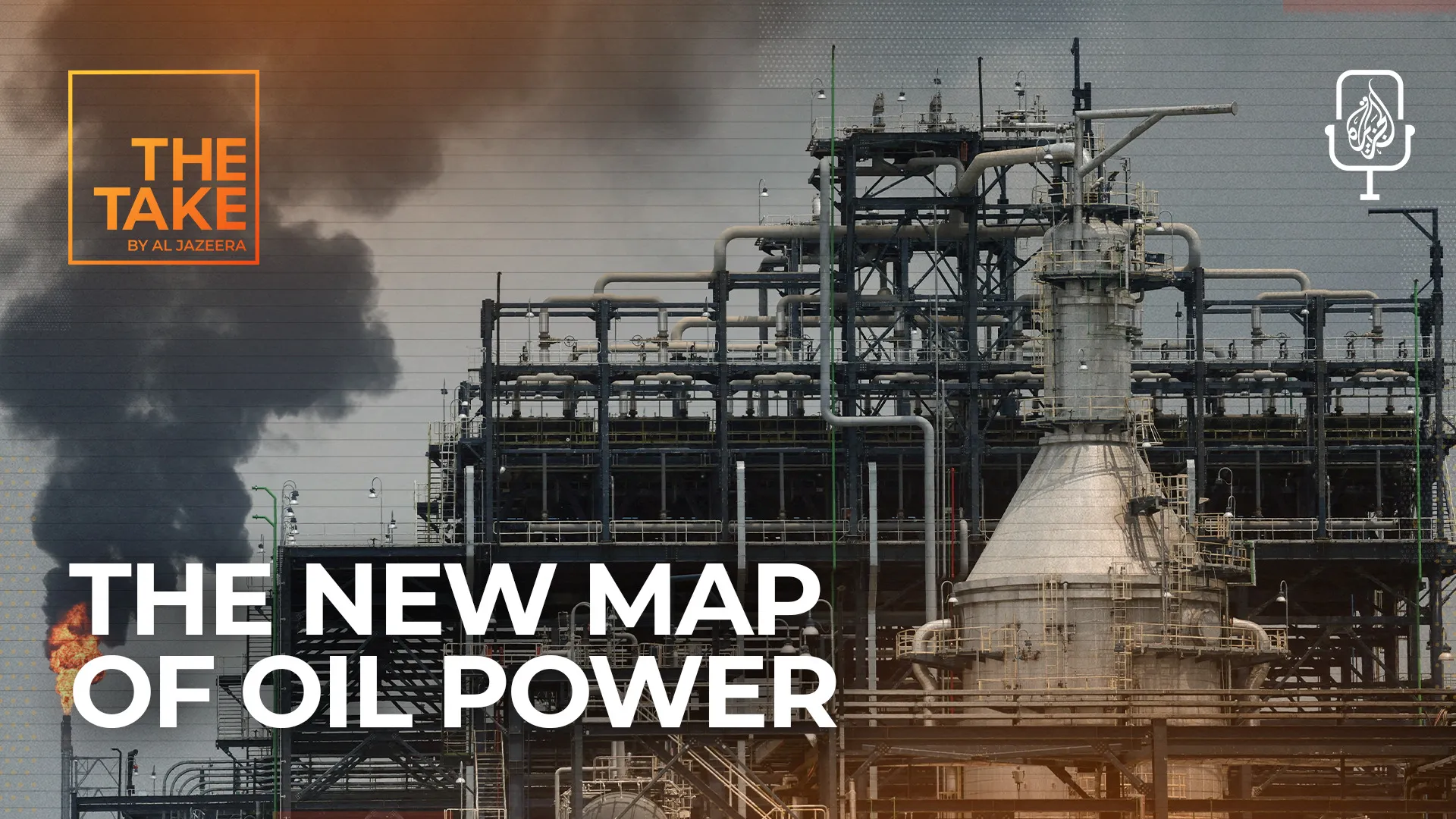
The global energy landscape is currently defined by a precarious mix of escalating geopolitical friction and sustained commodity price increases. Recent incidents of instability in key maritime energy hubs have cast a long shadow over global supply chains. As major oil-producing powers navigate shifting alliances and market roles, the established patterns of energy security appear increasingly tenuous. This volatile environment forces a critical evaluation of whether reliance on traditional oil sources will become unsustainable, or if the market is poised for sustained periods of unpredictable price swings and supply shocks.
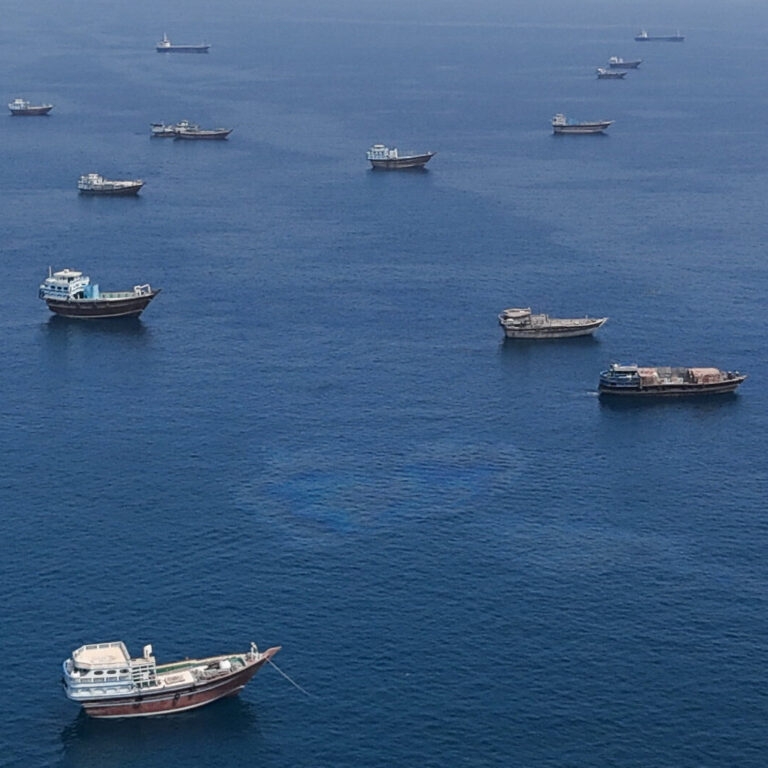
A focal point of this uncertainty is the strategic importance of key waterways, such as the Strait of Hormuz. Tensions near these chokepoints raise serious questions about the reliability of global oil transit. When coupled with decisions made by established oil cartel members regarding their participation in production agreements, the industry confronts a complex calculus. The immediate challenge is managing the perceived risk premium attached to every barrel of oil, leading to market dynamics that suggest an era where supply remains highly contingent on diplomatic and security developments.
The Pivotal Shift: Volatility or Renewable Acceleration?
This persistent state of tension presents two dominant potential trajectories for the global energy sector. On one hand, the continuous threat of supply interruptions, underscored by regional instability, provides a powerful, immediate economic incentive to transition away from fossil fuels. From this perspective, the heightened risk associated with oil extraction and transport makes the accelerating adoption of renewable energy technologies—such as solar, wind, and advanced battery storage—not merely an environmental choice, but a vital economic necessity for achieving stable power generation. The inherent predictability of renewable energy sources, once scaled up, offers a compelling counter-narrative to geopolitically sensitive oil supplies.
On the other hand, the current structure of global energy markets remains heavily influenced by the decisions of major oil exporters. The withdrawal of key players from established cooperative frameworks, combined with ongoing regional disputes, suggests that short-to-medium term stability may remain elusive. Therefore, analysts are grappling with whether the market will experience a protracted period of extreme volatility, where price swings are dictated by immediate security flashpoints, thereby slowing down the steady, investment-backed transition toward cleaner energy sources.
Implications for Global Economics
The overarching significance of this situation lies in its profound impact on global economic planning. Nations and industries must rapidly adapt to a reality where energy access cannot be taken for granted. For consumers and businesses, this means anticipating higher operational costs tied to energy commodities and a greater need for diversified energy portfolios. Investment decisions across the spectrum—from maritime insurance and pipeline infrastructure to grid modernization and green technology development—are being re-evaluated based on risk matrices that factor in political instability alongside resource availability.
Furthermore, the dynamics force a re-examination of energy sovereignty. Countries are increasingly prioritizing domestic energy independence, which naturally channels capital and focus toward localized, reliable power generation methods, boosting the case for decentralized renewable grids. This structural shift suggests that the future global energy matrix will be characterized by a multi-speed convergence: rapid, necessary investment in renewables driven by climate imperatives, running parallel to acute, unpredictable price shocks caused by immediate geopolitical maneuvering in traditional oil regions.
,
About the Author