Curriculum Standardization Underway: Mauritania’s Shift Towards Centralized Education System
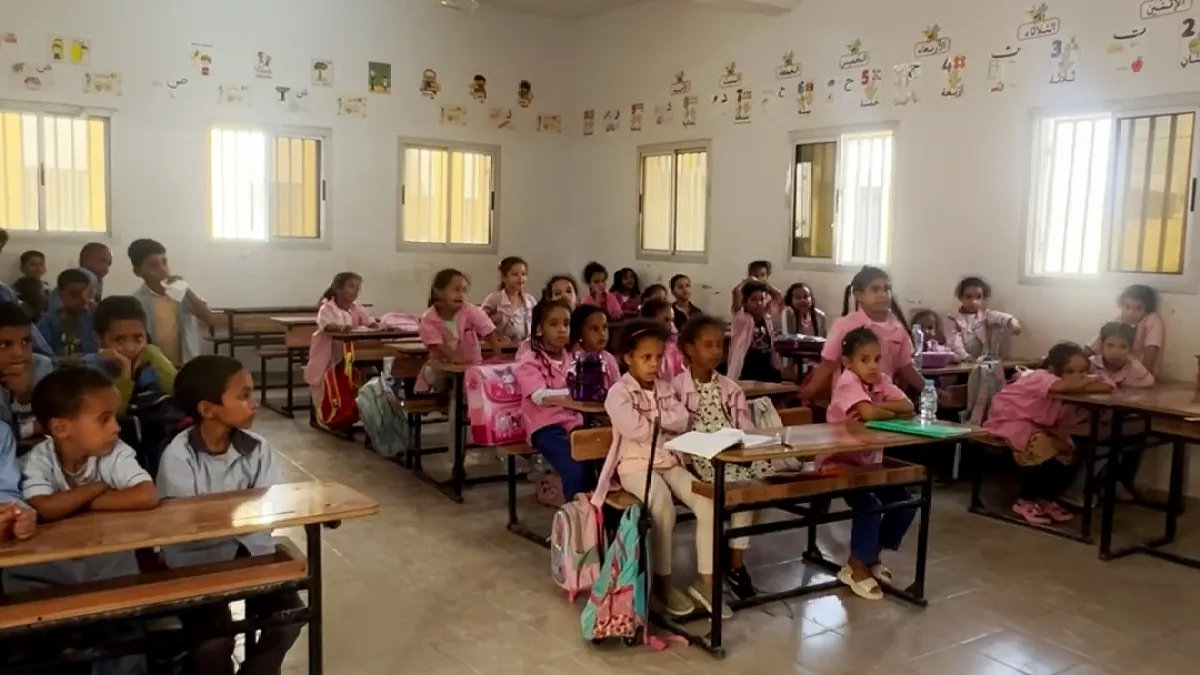
The educational landscape of Mauritania is undergoing a significant structural overhaul as authorities implement a directive aimed at consolidating student enrollment from the private sector into state-run public institutions. This sweeping plan targets the closure or absorption of numerous private primary schools, intending to channel students into the public school system across the country. While the stated objectives center on mitigating disparities and boosting national academic standing, the measure has ignited substantial controversy among private educators and parent advocacy groups.
Proponents of the policy argue that the standardization process is crucial for leveling the playing field. They contend that by centralizing primary education, the government can ensure a more consistent quality of learning and reduce the vast gaps in resources and curricula that often exist between elite private institutions and public facilities. Official statements indicate that such a move is vital for improving national educational benchmarks and achieving a more equitable system for all citizens.
What This Means for Educational Governance
This initiative represents a notable pivot toward greater government oversight in the education sector. By curtailing the autonomy of private schooling, the state aims to enforce a uniform quality standard from the foundational years onward. For parents and educators alike, the immediate implications involve adjustments to educational routes, with the expectation that services previously provided by private entities will be transitioned to public infrastructure. The success of this massive transition will hinge on the capacity of the public system to absorb and adequately serve the suddenly increased student population without sacrificing the quality of instruction.
Analyzing the Potential Impact
The potential ramifications of this consolidation are wide-ranging. On one hand, achieving uniformity in foundational learning materials and teacher training could dramatically reduce socioeconomic-based disparities in knowledge acquisition. On the other hand, critics point to the potential loss of pedagogical diversity. Private schools often cater to niche needs or boast specialized teaching methodologies that may not fit a standardized, large-scale public model. Furthermore, the transition places immense logistical and financial strain on the existing public school infrastructure, raising questions about resource allocation and teacher capacity in the interim period.
Contextualizing the Policy Shift
Historically, private education has occupied a significant space in the nation’s schooling structure, providing an alternative pathway for many families. However, as the government seeks to boost its global academic metrics, this structural intervention signals a commitment to centralized quality control. The discussion surrounding this transition reflects a broader global trend among developing nations: balancing the perceived flexibility and specialized nature of private enterprise with the perceived equity and scale of state-run public education. The coming months will be critical in observing whether the stated goals of reduced inequality materialize into tangible, improved educational outcomes for the student body.
About the Author