Rising Crosscurrents: Assessing the Risks of Escalation in the Middle East
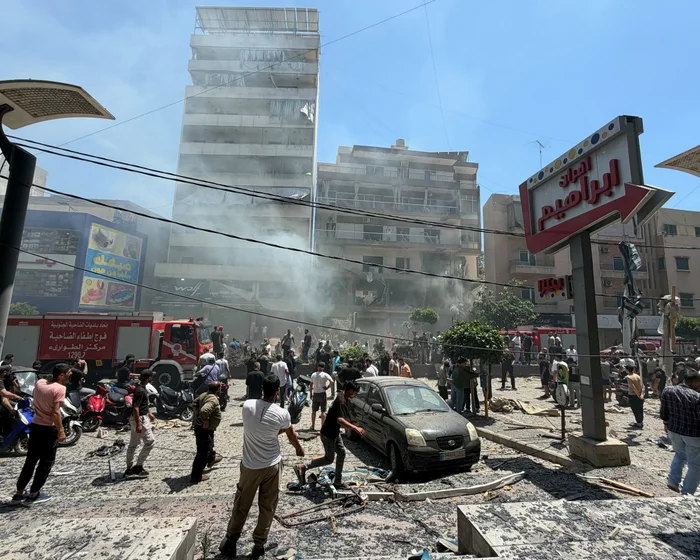
The regional security landscape remains highly volatile, with recent military actions contributing to heightened tensions across the Middle East. A focal point of recent international concern has been the exchange of fire and statements emanating from the Levant. Israeli military sources have reported carrying out strikes within the outskirts of Beirut, asserting that these operations were direct countermeasures to fire originating from Hezbollah into Israeli-controlled zones. The stated objective of these actions was reportedly the neutralization of militant infrastructure concentrated in the southern sectors of the Lebanese capital.
Amidst these escalating military reports, diplomatic assurances of stability are being met with skepticism. The presence of various regional powers and international actors adds layers of complexity. For instance, political figures have publicly advised caution, cautioning against irreversible escalations. These statements underscore a palpable anxiety among key international players regarding the potential for localized confrontations to spiral into broader regional conflicts.
The current situation is further complicated by internal dynamics within allied political circles. While some diplomatic efforts are geared toward maintaining fragile agreements, dissenting voices, particularly within hardline factions, are exerting pressure to undermine any negotiated settlements. This internal pushback suggests that the path toward regional de-escalation remains fraught with significant political headwinds.
Significance and Implications of the Escalation
The combination of direct military confrontations and high-level diplomatic warnings signals a period of heightened risk management. The immediate significance lies in the potential for miscalculation; any unintended escalation from one party could trigger a cascading response from others. When powerful state and non-state actors feel compelled to retaliate, the established lines of conflict can blur rapidly. Furthermore, the public calls for restraint highlight the global community’s vested interest in preventing a breakdown of regional stability that could disrupt international commerce and energy flows.
The interplay between military force and diplomatic maneuvering suggests that dialogue is currently playing catch-up with the physical confrontations. The sustainability of any peace initiative hinges critically on the perceived willingness of major regional players to absorb costs—both military and political—associated with escalating conflict.
Broader Context of Regional Security
The operational environment in the Levant has long been defined by complex proxy dynamics, where various armed factions exert influence across national borders. The security concerns articulated following recent incidents are rooted in years of unresolved territorial and political disputes. These disputes ensure that the threat calculus remains perpetually high.
Historically, moments of heightened tension have often been followed by periods of rapid, high-stakes negotiation. However, the current atmosphere suggests a deep ideological chasm remains unbridged. Therefore, while immediate calm may appear when diplomatic assurances are made, the underlying tensions—fueled by contested sovereignty and divergent geopolitical goals—are deeply embedded and require careful, sustained management to prevent future flare-ups.
About the Author