De-escalation Imperative: Political Efforts Amidst Heightened Regional Instability
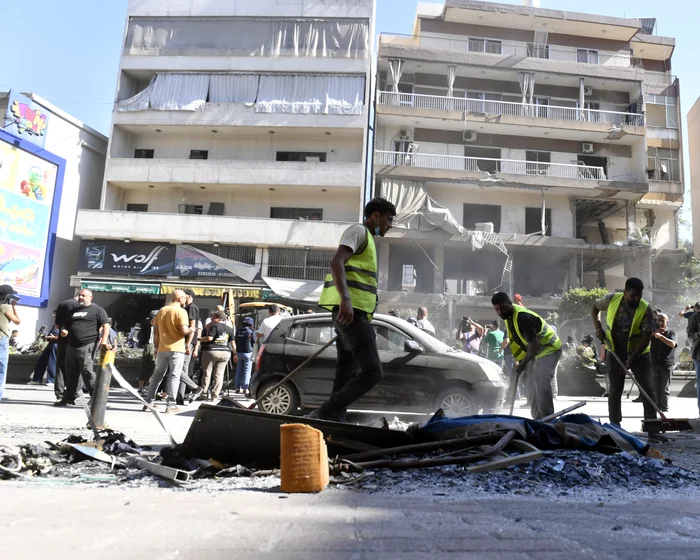
As diplomatic efforts aimed at stabilizing the volatile Middle East persist, calls for immediate restraint have grown louder. These urgent pleas for a ceasefire and reduction in hostilities come at a time when military activity, including fresh aerial strikes originating from Israel targeting Beirut, has flared up. International focus remains sharply divided between ongoing ground confrontations and high-stakes political negotiations attempting to chart a path toward lasting peace.
The confluence of armed action and diplomatic maneuvering underscores the fragility of the regional security landscape. When envoys are working intensively to finalize preliminary agreements—such as those involving the United States and Iran—the emergence of military flare-ups creates significant headwinds. Leading political figures have publicly urged all involved parties to exercise extreme caution and cease military actions, emphasizing that a coordinated period of calm is necessary for the diplomatic processes to gain traction and achieve their intended conclusion.
What This Means for Regional Stability
The current dynamic suggests that while diplomatic resolutions are actively being pursued, the underlying tensions remain high, creating a significant risk of accidental escalation. For the negotiations involving major regional players to succeed, a sustained cessation of hostilities is viewed as a critical prerequisite. Any continuation of military action complicates the negotiating environment, potentially leading to breakdowns in talks and prolonging the regional conflict for uncertain periods.
The emphasis placed by top officials on standing down suggests that the international community recognizes the delicate balance required. The focus must shift from immediate military response to establishing a stable framework that allows for verifiable diplomatic commitments to take root. The viability of any future peace accord hinges heavily on the immediate and collective commitment of all actors to de-escalate their current actions.
Context of Ongoing Diplomatic Efforts
The push for a definitive end to prolonged conflicts in the region has kept international mediators heavily engaged. The ongoing discussions reference comprehensive agreements intended to reduce geopolitical friction between key national powers. These talks represent sustained efforts to move beyond cycles of armed confrontation toward predictable, negotiated relationships. The participation of multiple international bodies highlights the global concern over the protracted instability that has characterized the region for months. These diplomatic tracks suggest a concerted, multi-faceted approach to addressing core sources of regional antagonism.
In summary, the reporting illustrates a high-stakes tension point: powerful diplomatic initiatives confronting active military confrontations. The consensus among influential observers is that political breakthroughs cannot be achieved while armed incidents continue to occur, making restraint the paramount immediate goal for all parties involved.
About the Author