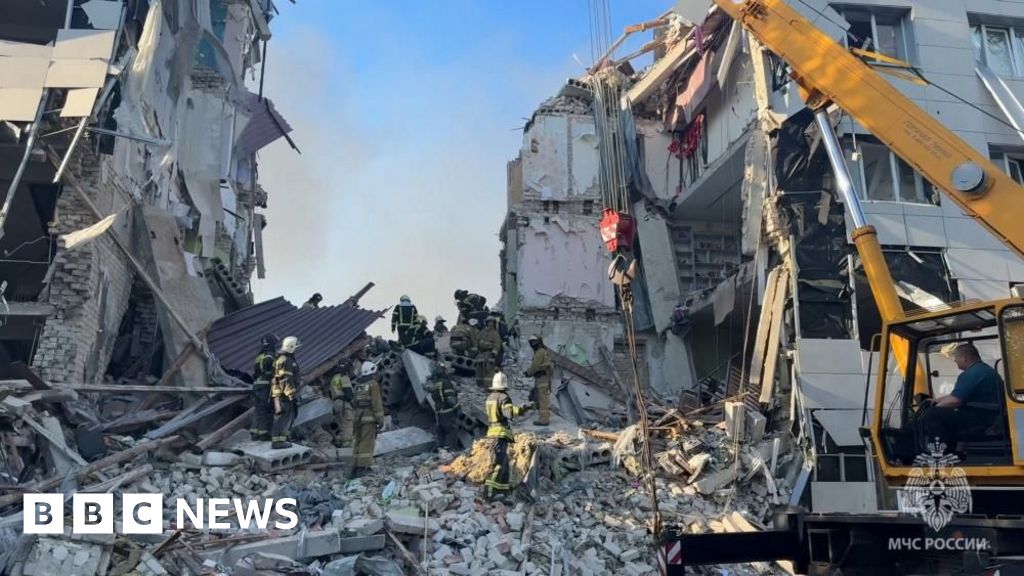
Escalating tensions characterize the current conflict, following claims made by Russian leadership regarding a recent strike in eastern Ukraine. High-ranking Russian officials asserted that an overnight operation in the town of Starobilsk resulted in significant casualties, purportedly striking a student residence. Reports indicated that at least six individuals were killed, 39 were injured, and an additional 15 people were unaccounted for.
In response to these assertions, Ukrainian military sources issued statements detailing their own claims regarding the nature and targets of their operations. Kyiv reported that the overnight action was specifically aimed at a key military installation belonging to Russia’s specialized drone unit, reportedly located in the same area. These conflicting accounts present a stark division in the narratives surrounding the military activity in the region.
The discrepancy in accounts has led to heightened warnings from the Russian side, with President Putin explicitly stating that retaliation would be prepared. This suggestion underscores a volatile period where accusations of cross-border strikes are leading to escalated rhetoric and pronouncements of further military responses.
What This Means:
The immediate significance of these claims lies in the attempt by both sides to establish the legitimacy of their military actions and to build a narrative justifying potential escalations. Russia’s emphasis on alleged civilian targeting and the necessity of countermeasures serves to escalate the perceived threat level. Conversely, Ukraine’s counter-narrative attempts to frame its strikes as precise military actions against specific military assets, thereby adhering to international legal frameworks.
Background / Context:
Historically, controlling the narrative surrounding military incidents has been a crucial aspect of modern conflict. Official pronouncements often focus heavily on specific details—such as the type of unit targeted or the precise nature of civilian casualties—to bolster domestic and international support for their respective policies. The differing portrayals of the struck buildings, for instance, highlight a potential core disagreement over whether the target was a legitimate military headquarters or, as claimed by Moscow, a civilian facility with no associated military presence.
These exchanges of accusation form part of a broader pattern of international dispute, where direct combat operations are often coupled with intense information warfare. The resulting claims—including details about the number of drones allegedly used or the manner of civilian injury—become key pieces of evidence in the ongoing struggle for global political and military justification.
About the Author