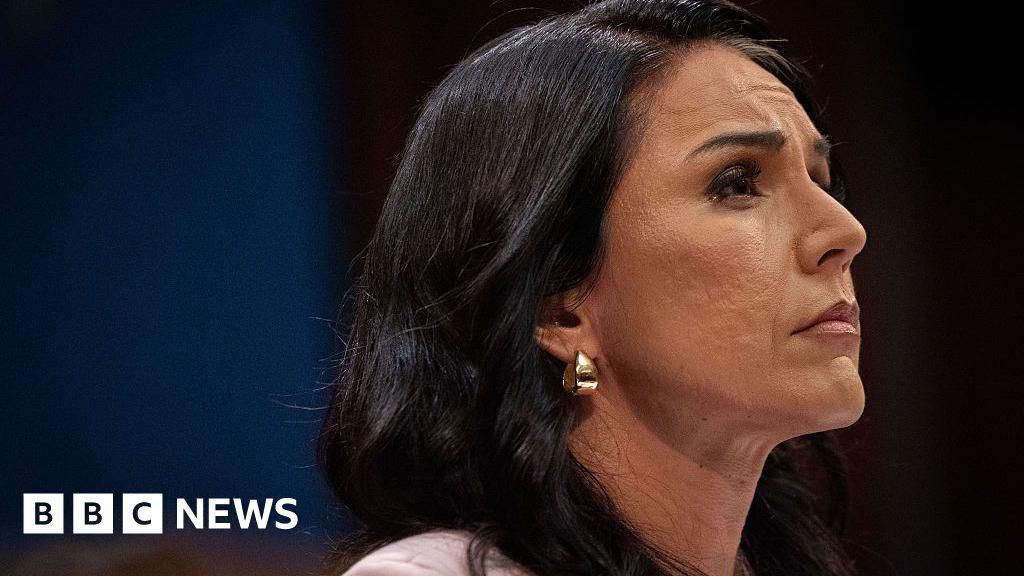
The departure of the US director of national intelligence marks a significant transition within the current administration. The announcement was made as the individual cited deep personal family commitments as the primary catalyst for stepping away from the high-demand role. The resignation is effective on June 30th, prompting the principal deputy director to assume the responsibilities on an acting basis.
This move concludes a period of visibility for the official, who had become a notable figure within the intelligence community shortly after the administration’s return to power. Despite the demanding nature of overseeing national intelligence operations, the individual has recently remained largely out of the public spotlight, despite several major international policy actions taken by the US government.
What This Means: A Shift in Policy Focus
This departure creates a notable vacancy in a critical national security leadership role. While the immediate operational impact will be managed by interim leadership, the transition signals a period of restructuring within the intelligence apparatus. Given the recent high-profile military and diplomatic interventions—including action against Iran and ongoing regional pressures—the incoming leadership will face the immediate task of maintaining cohesion and strategic direction during a time of internal staffing changes.
Background and Context of the Exit
The circumstances surrounding the resignation point toward personal health considerations for a close family member as the decisive factor. This decision follows a pattern of departures within the administration, reflecting ongoing personnel shifts. Politically, the individual had previously established a public stance advocating for a non-interventionist foreign policy approach, which created points of friction with certain policy decisions made by the administration, particularly concerning actions involving Iran.
Furthermore, the official faced questioning regarding key intelligence assessments, specifically those related to Iran’s nuclear ambitions. The administration had at times appeared to offer differing viewpoints on these sensitive national security matters, contributing to ongoing scrutiny over unified messaging between the executive branch and the intelligence community. The resignation, therefore, concludes a tenure marked by both high-level influence and differing public policy narratives.
About the Author