Geopolitical Tensions Inflate Oil Markets Amid US-Iran Diplomatic Uncertainty
Global energy markets experienced significant volatility as mounting diplomatic uncertainties surrounding potential US-Iran peace talks created upward pressure on crude oil benchmarks. The primary driver of the recent price escalation was the lack of clear communication regarding the status of ceasefire negotiations between Washington and Tehran. Conflicting reports and escalating regional incidents injected a potent element of risk into the market’s outlook, causing futures prices to jump sharply during trading sessions.
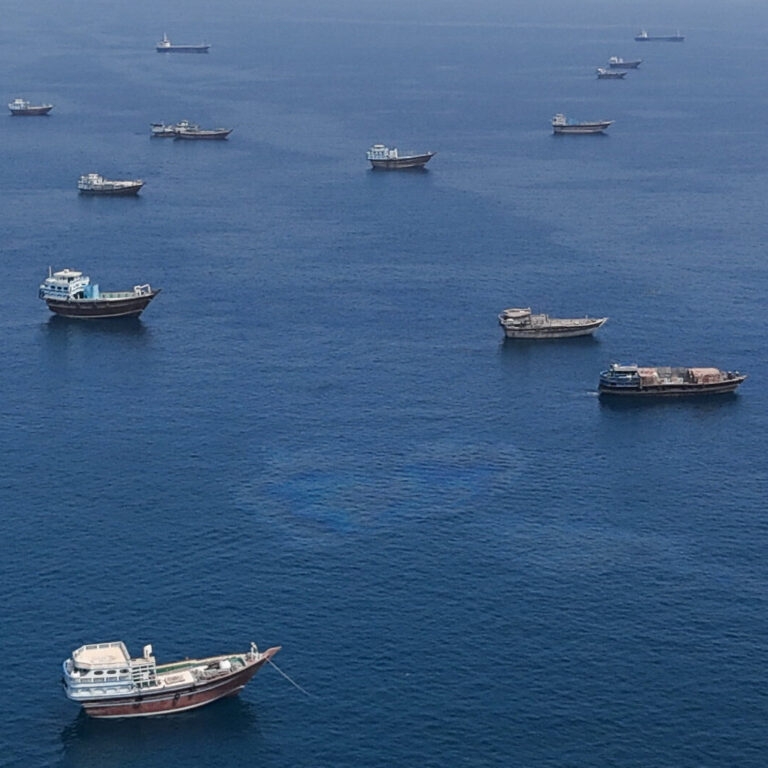
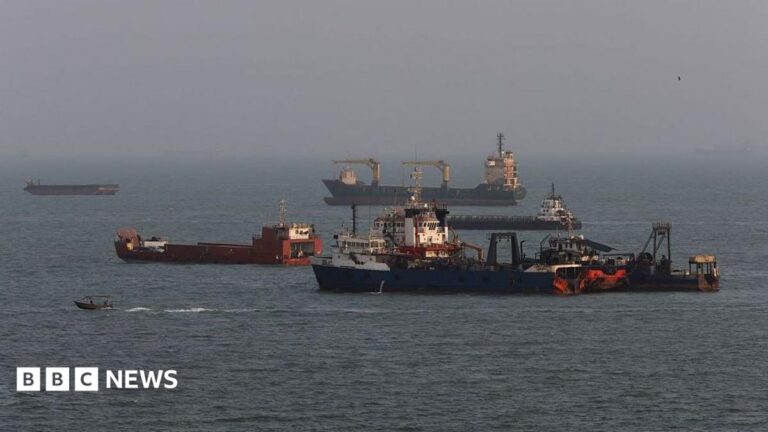
The instability was compounded by ongoing maritime security concerns in the Strait of Hormuz, a critical global shipping chokepoint. Reports emerged detailing multiple incidents involving commercial vessels transiting the area, with accounts indicating confrontations involving Iranian naval craft and attacks on passing tankers and container ships. These developing regional flashpoints heightened fears of supply disruptions, prompting immediate market reactions.
What This Means: Supply Risk Dictates Pricing
The current dynamic illustrates how geopolitical risk can rapidly supersede traditional supply-and-demand fundamentals in global commodity pricing. When major trade routes or international relations become unpredictable, the perceived risk of supply interruption drives prices upward, regardless of current production levels. Traders and analysts are heavily factoring in the potential for conflict escalation or, conversely, the sudden imposition of severe trade restrictions, keeping crude prices elevated and volatile.
Context of the Diplomatic Stalemate
The immediate impetus for the market shift was linked to the breakdown of talks aimed at securing a lasting truce. Initial diplomatic efforts had shown promise, with discussions scheduled for multiple rounds. However, the trajectory took a sharp turn when official statements from Tehran contradicted the perceived progress from the US side. These differing narratives—some suggesting active negotiation and others citing insurmountable disagreements—created a significant vacuum of certainty.
Furthermore, the diplomatic environment was colored by disputes over previous agreements, including the expiration of a provisional ceasefire period. When talks stalled, and diplomatic participants publicly cited disagreements over terms or perceived pressure, market participants naturally interpreted this as a signal of continued underlying friction, putting sustained upward pressure on the price of crude oil benchmarks like Brent.
Background Context of the Strait of Hormuz
The region surrounding the Strait of Hormuz remains a focal point for international energy security concerns. Given that a vast proportion of the world’s seaborne oil passes through this narrow waterway, any disruption, whether due to political tension or physical conflict, carries immense global economic ramifications. For this reason, the stability of the negotiations and the maritime environment are viewed not just as bilateral issues, but as matters of global economic stability that directly dictate the immediate pricing of commodities worldwide.
About the Author