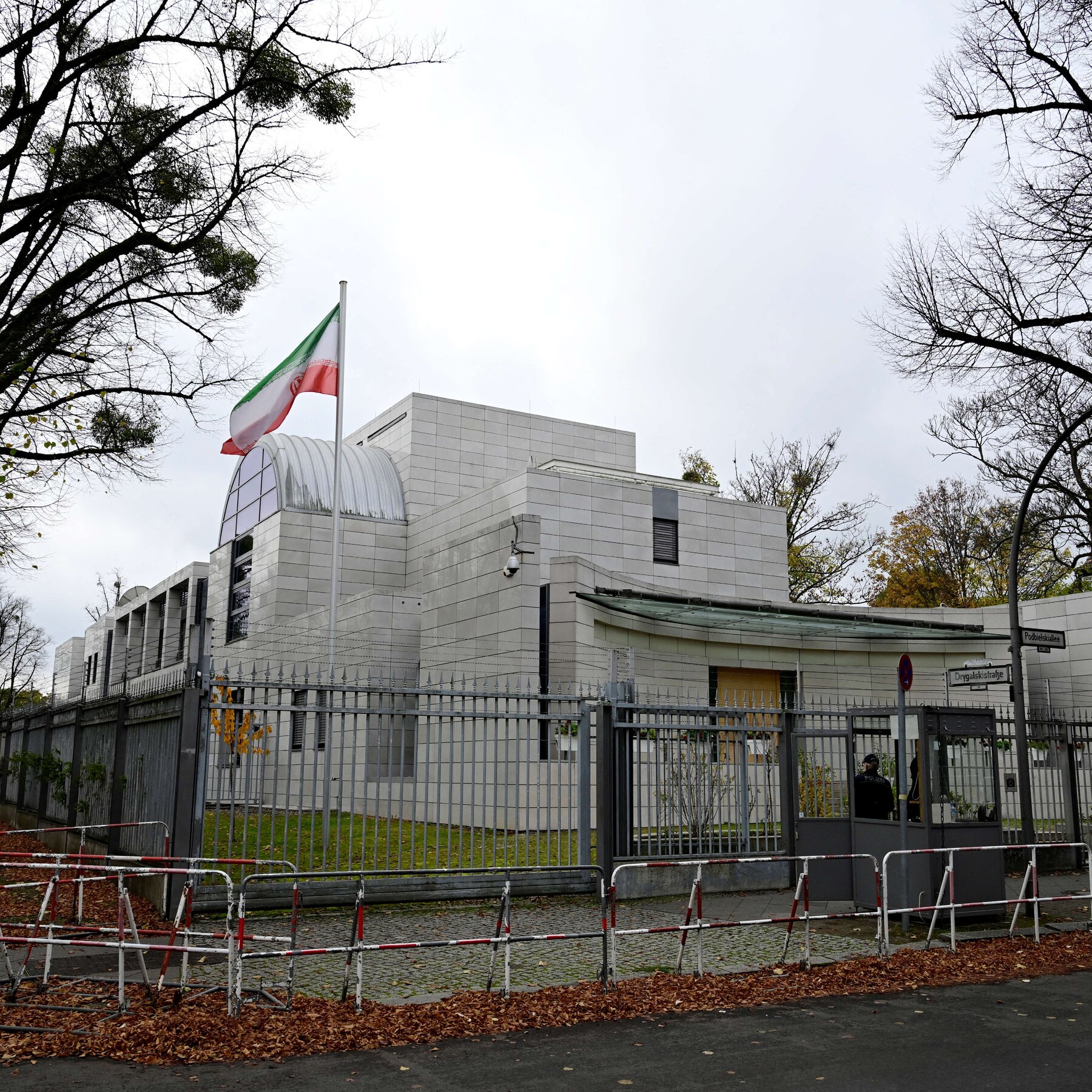
European Security Deepens Concerns Over Potential Iranian Intelligence Activity
Concerns are escalating among European law enforcement and security agencies regarding the increased presence and potential influence operations attributed to Iranian intelligence within the continent. This heightened focus appears to coincide with escalating geopolitical tensions in the Middle East, particularly following heightened confrontations between the United States and Israel concerning Iran. Authorities are investigating various activities suggesting a pattern of foreign interference aimed at destabilizing regional and European political environments.
Reports indicate that European judicial bodies have initiated proceedings against individuals accused of involvement in plots targeting prominent figures, specifically alleging coordination intended to eliminate Jewish leaders. These allegations point toward a sophisticated level of organization, suggesting coordinated planning from outside state actors utilizing regional proxy support.
Understanding the Implications for European Stability
The focus on such plots suggests a significant concern among European authorities regarding the potential for transnational extremist activities backed by state sponsors. The implications stretch beyond isolated criminal acts; they point to a broader pattern of geopolitical maneuvering designed to sow discord and undermine the stability of democratic societies. Such activities, if proven, represent a substantial challenge to international security cooperation and domestic public safety.
Contextualizing the Increased Scrutiny
The heightened level of surveillance and investigation appears intrinsically linked to the volatile geopolitical climate developing in the Middle East. When major global powers are engaged in conflict or heightened confrontation, intelligence services often ramp up operations aimed at projecting power or creating advantageous internal distractions in rival spheres. European nations are now reportedly increasing internal monitoring systems to detect and counter such external machinations.
The nature of the accusations—plotting against specific community leaders—suggests that the operatives allegedly involved are not merely engaging in general disruption but are targeting specific segments of society. This elevates the concern from general espionage to potential acts of targeted violence or systematic destabilization aimed at specific communities within Europe.
Security Protocols and Future Focus
In response, European security apparatuses are reportedly reinforcing intelligence sharing protocols. The emerging picture suggests that multiple national agencies are collaborating to establish a clearer picture of the alleged operational footprint. The narrative emerging is one of proactive defense, where European nations are hardening their internal security frameworks to withstand sophisticated external pressures allegedly emanating from hostile foreign intelligence networks.
About the Author