Political Shifts in Turkey: Implications of Recent Judicial Determinations
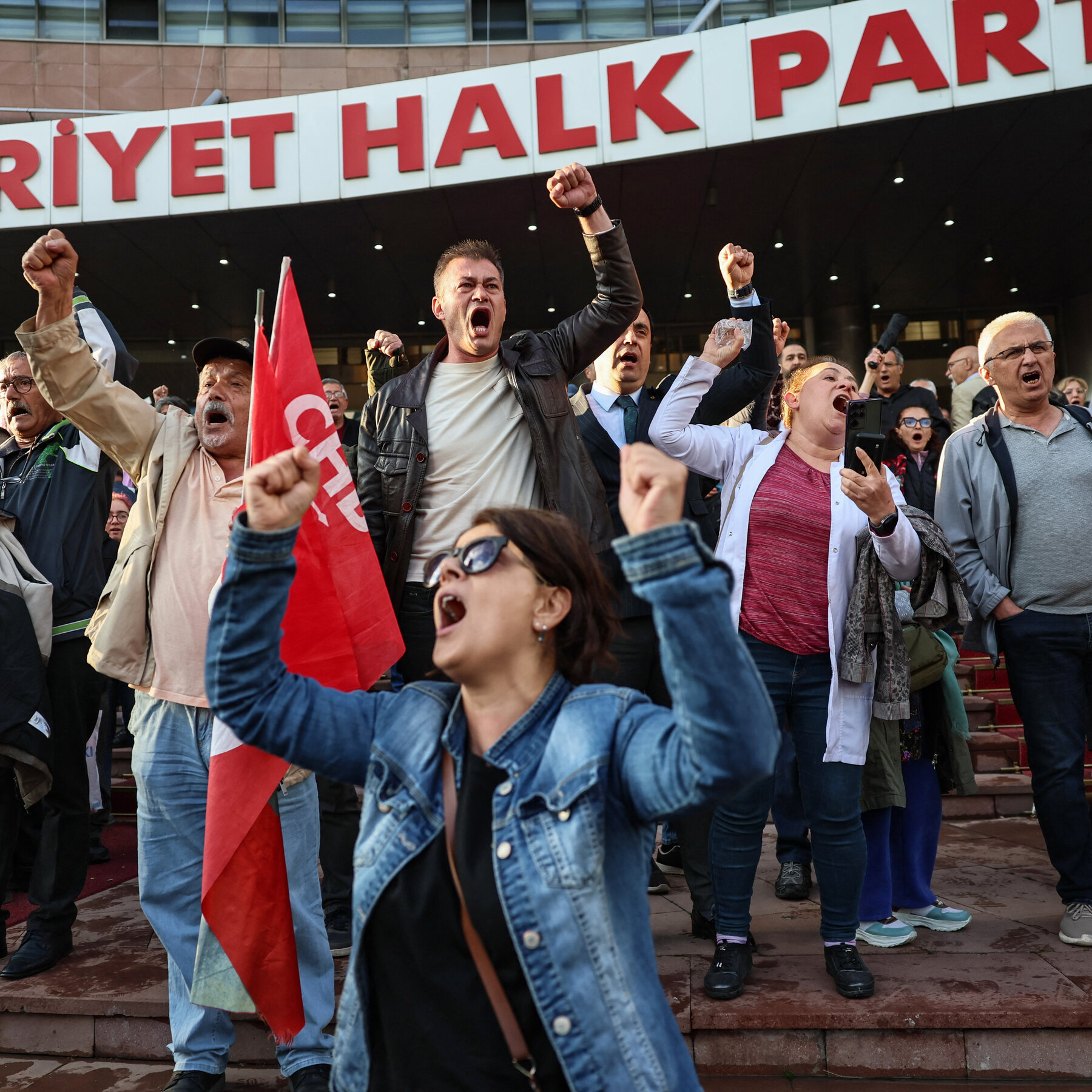
Recent judicial actions in Turkey have created an unexpected ripple effect through the nation’s political opposition. A significant development involves a high-profile ruling that resulted in the displacement of the head of the primary opposition party, replacing them with a figure from a different faction of Turkish politics. This sudden change in leadership structure introduces an element of volatility, forcing various political actors to re-evaluate their strategies within the current political climate.
The maneuver underscores the ongoing complexities within Turkish governance, where judicial decisions frequently intersect with intense political rivalries. By altering the leadership at the opposition’s core, the ruling fundamentally shifts the dynamics of dissent. This situation compels political observers to look closely at the mechanisms through which opposition voices are mobilized and how effectively alternative leadership can maintain unity and momentum against established political forces.
What This Means for Turkish Politics
The immediate consequence of this leadership reshuffle is a period of uncertainty for the opposition bloc. A transition of this magnitude can disrupt established coalition efforts and force internal consolidation among competing political interests. For the broader Turkish electorate, it heightens the stakes surrounding upcoming electoral cycles, as the opposition must quickly demonstrate a unified, compelling narrative to regain public trust and electoral ground. The nature of the new leadership—a figure previously associated with electoral defeat—adds a distinct layer of narrative challenge, requiring them to establish immediate credibility and broad appeal.
The ruling itself suggests an increased judicial influence over party leadership structures, a pattern that has become a defining feature of the current political environment. Understanding the implications means looking beyond the surface change; it points to deeper systemic pressures on how political dissent is organized and managed within the nation’s legal framework.
Contextualizing the Power Dynamics
The turbulence described is not isolated; it reflects a broader trend of centralized power and evolving accountability within the Turkish political system. Historically, opposition leadership has been crucial for checks and balances, yet recent events suggest that judicial and state mechanisms are becoming increasingly instrumental in defining who can lead these challenges. The replacement of a prominent opposition leader with a figure perceived as less electable signals a potentially engineered realignment of political forces, complicating the landscape for any organized pushback against the ruling administration.
For analysts, this situation emphasizes the critical role of institutional stability versus the fluidity of political maneuvering. The opposition’s capacity to rebound from such structural setbacks will likely hinge on its ability to unify disparate elements and articulate a vision that resonates independently of the immediate political squabbles surrounding leadership selection. The focus now shifts intensely to grassroots support and the long-term narrative construction by the new leadership group.
About the Author