Ghana Facilitates Departure of Nationals Following Heightened Tensions in South Africa
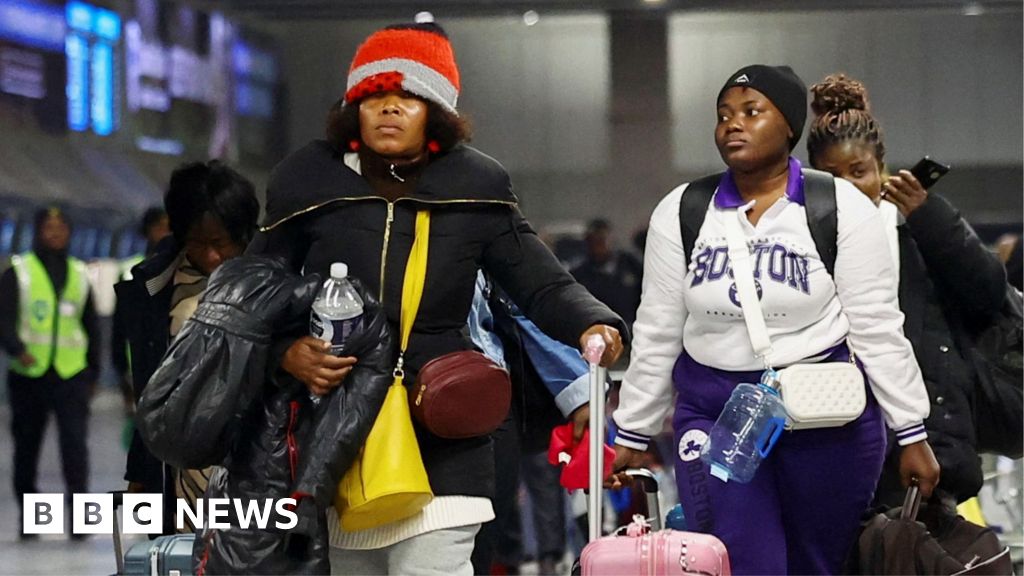
Ghanaian representatives are overseeing the departure of a substantial contingent of its citizens from South Africa. This repatriation effort began with the scheduled movement of several hundred nationals, transported via chartered buses arriving at a major Johannesburg airport in the early hours of Wednesday. The groups included men, women, and children, all of whom were processed and registered by the country’s embassy and airport personnel.
The organized departure comes against a backdrop of escalating social unrest within South African urban centers. Over recent weeks, anti-immigration demonstrations have become increasingly visible, fueling anxieties regarding a potential resurgence of xenophobic confrontations across the nation. These unfolding events prompted the Ghanaian government to coordinate the safe exit of its registered expatriate community.
Many departing residents cited the volatile atmosphere as their primary reason for leaving. For some, the current environment has become untenable, suggesting that personal security and peace of mind necessitate a return to their home country. While authorities indicated that initial groups were departing, the process was structured to accommodate the needs of the entire registered population over subsequent days.
The Context of Domestic Debate and Public Concern
The impetus for the increased vigilance and the departure of nationals is rooted in local advocacy concerning migration policy. Certain organized citizen groups have mobilized protests, centering their demands on regulating the status of non-citizen residents. According to reports, demonstrators have vocalized concerns that unauthorized immigration is placing undue strain on critical public services within the country. These groups have publicly urged the South African government to implement stricter measures to curb undocumented entry and residency.
Furthermore, these activist movements have established specific timelines and demands, notably issuing deadlines for undocumented migrants to depart the country. This has intensified the atmosphere of uncertainty, prompting concerns among long-term residents about the potential for civil disturbances stemming from these policy enforcement actions.
Implications for the Diaspora
With an estimated population of approximately 25,000 Ghanaian citizens residing in South Africa, the current situation highlights the precarious position of diasporic communities amid fluctuating domestic stability. The repatriation action serves as a visible measure of governmental oversight designed to safeguard its citizens. While the immediate focus was on facilitating the orderly exit of registered members, the underlying tension points to a broader governmental challenge in managing diverse resident populations and maintaining civil order.
About the Author