Shifting Power Dynamics in Texas Politics: Paxton’s Victory Signals Key Battleground Implications
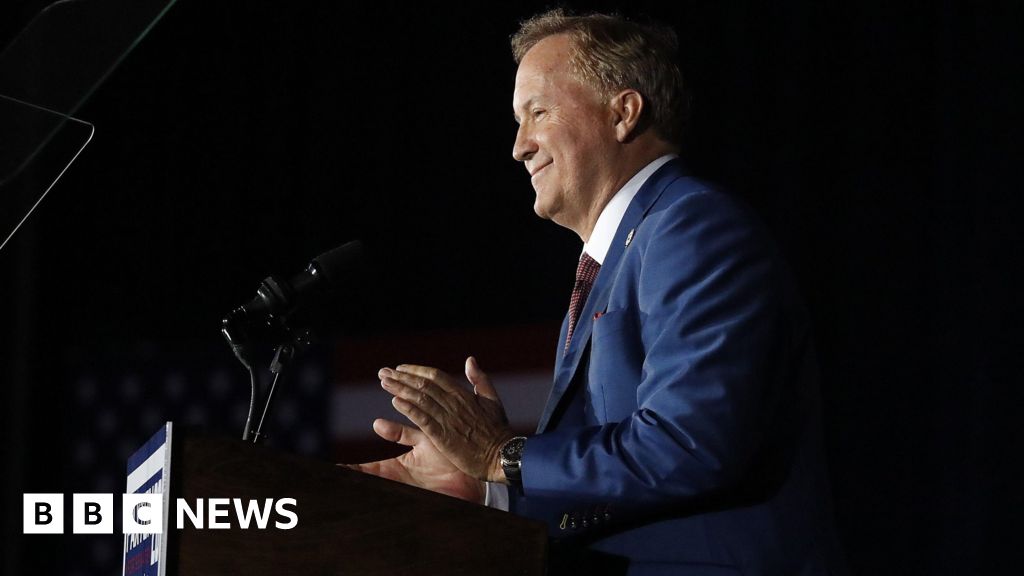
The Republican primary contest for Texas’s U.S. Senate seat culminated in a significant victory for Attorney General Ken Paxton, who successfully navigated the run-off election. This outcome marks the end of a long tenure in national politics for the incumbent, representing a notable shift in the state’s political landscape. The high-stakes primary itself drew considerable attention due to its sheer cost and the depth of the political maneuvering involved.
What emerges from this primary is a highly anticipated general election matchup. Paxton is set to face off against a Democratic challenger, a contest that many observers believe could be pivotal for the balance of power in the U.S. Senate. The perceived weakness of the Democratic opponent may lead some elements of the party to view this election as a tangible opportunity to secure a Senate seat in a state traditionally dominated by Republican voters.
The Significance of the Primary Outcome
The result of this primary contest immediately redirects focus to the general election. The stakes are high, with the outcome potentially influencing the control of the U.S. Senate for the remainder of the current presidential administration. Reports suggest that the initial contest saw both major figures receiving endorsements or implicit support from the former president, though the dynamics of that backing differed. The ability of any candidate to build broad, cross-party appeal will now be the central focus as the race moves toward the November general election.
The political environment suggests a state deeply entrenched in Republican voting patterns, making any potential upset in the general election an exceptionally noteworthy event. Furthermore, the pattern of incumbents losing in their own party’s primaries—a rare occurrence in recent electoral history—adds a layer of dramatic tension to the entire process, signaling potential fissures within the GOP base.
Contextualizing the Political Environment
The history of the state shows a decades-long trend of electing Republican representatives to the Senate. Because of this deep partisan history, any sustained challenge from the Democratic side in a general election carries significant weight. Political observers are closely watching the messaging and strategies employed by all involved parties. The recent maneuvering within the Republican ranks—including the varying levels of alignment with recent national political events—has also colored expectations for the eventual primary victor. For voters across the spectrum, the upcoming contest will test the cohesion of the party structure amid a highly charged political climate.
About the Author