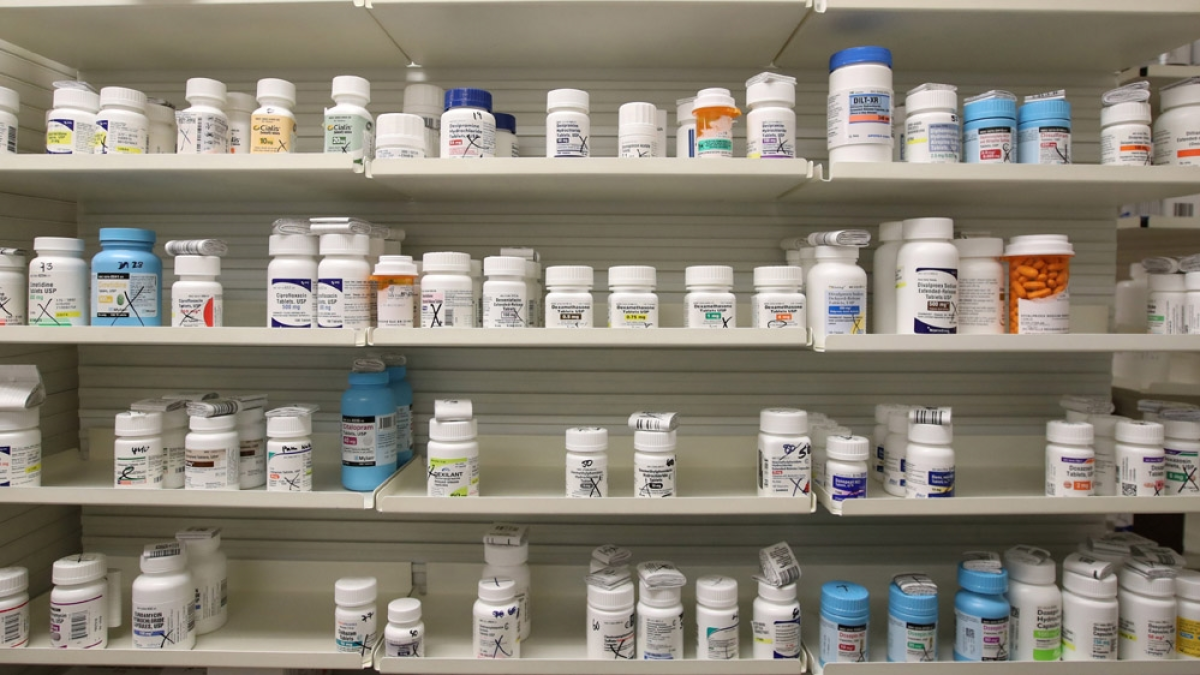
As international tensions escalate due to regional conflicts, the cost and availability of essential medications are becoming increasingly unstable on a global scale. What began as concerns over fossil fuel supplies has rapidly expanded to affect the pharmaceutical sector directly. From basic painkillers to necessary contraceptives, consumers and healthcare providers in multiple nations are reporting significant, sudden price hikes. These escalations indicate that the intricate supply chains supporting modern medicine are highly vulnerable to geopolitical instability.
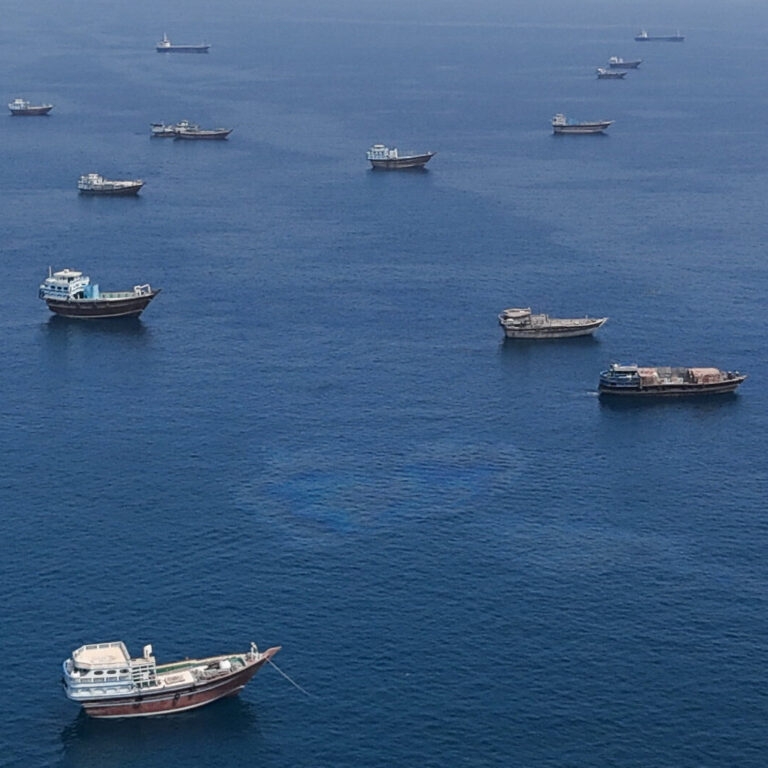
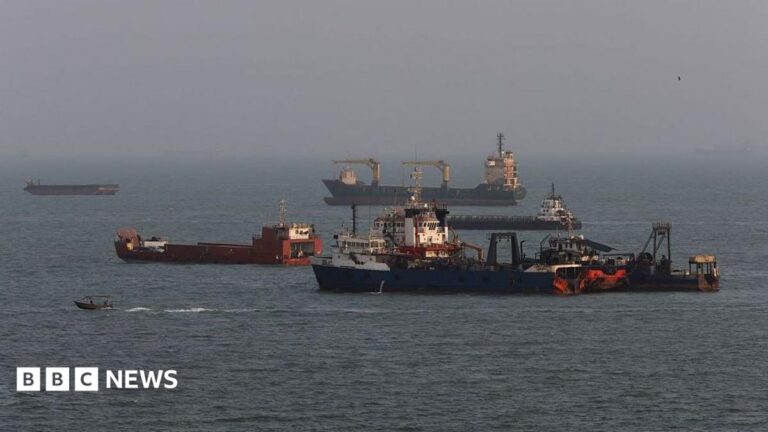
The ripple effects of conflict travel far beyond energy markets. The disruption is rooted in the fundamental reliance of the drug manufacturing process on global infrastructure. The passage of critical waterways and established logistical routes, which were vital for moving components and finished products, have faced considerable turmoil. This instability forces alternative, less efficient, or more expensive transit methods, ultimately passing those increased operational costs onto the end consumer.
This situation underscores a critical fragility within global health security. The complexity of modern medicine means it depends on specialized handling, such as maintaining strict temperature controls throughout transit. When key hubs and established maritime or air pathways are compromised, the entire delicate network faces slowdowns, costly detours, and increased operational expenditure.
About the Author