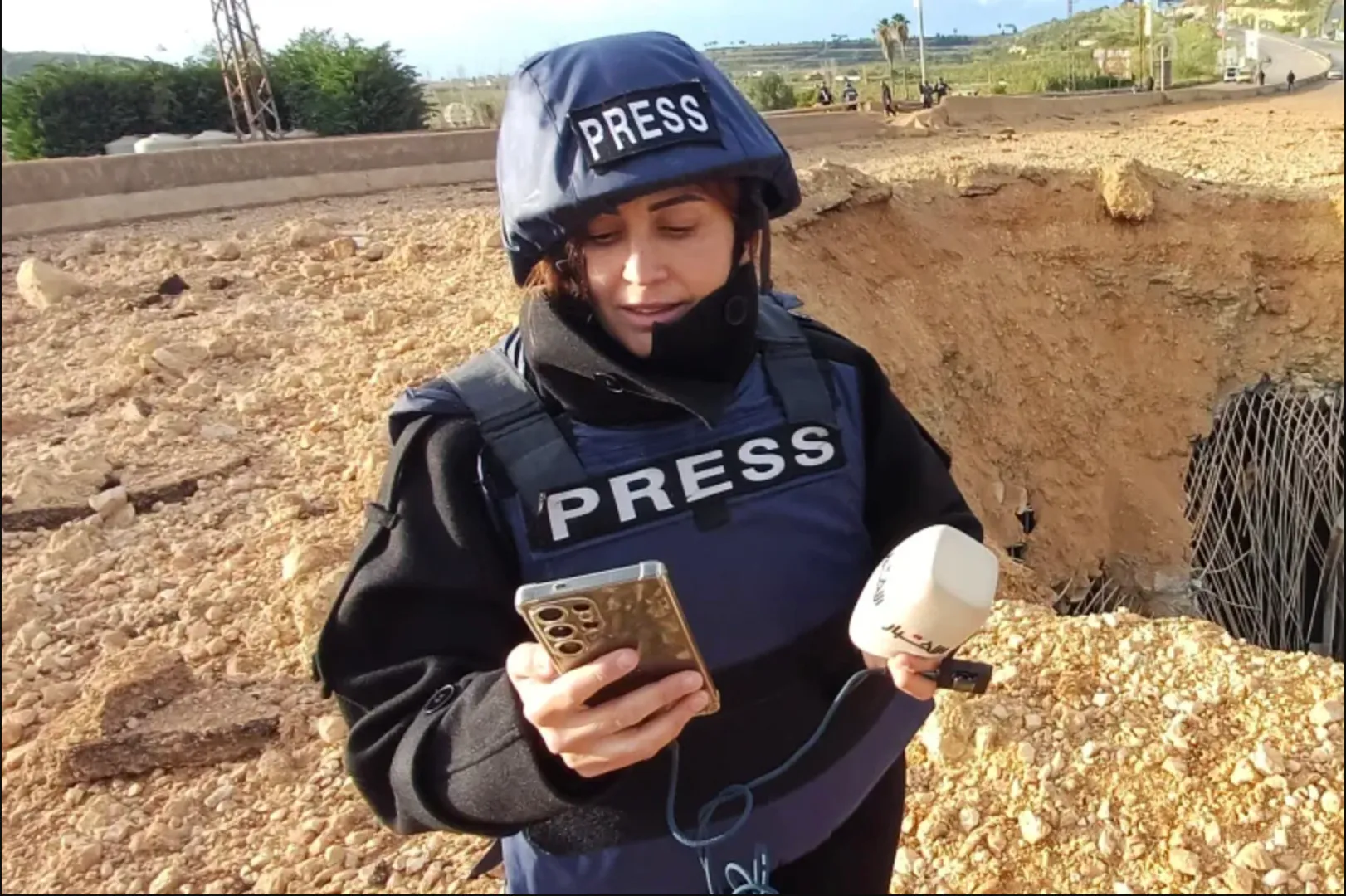
Details Emerge Regarding Incident Involving Lebanese Journalist Amal Khalil
Recent disclosures have brought renewed attention to the reported circumstances surrounding the fate of Lebanese journalist Amal Khalil. The information, revealed through media outlets associated with her professional work, provides a detailed account of events that culminated in the incident. These reports suggest a sequence of actions involving Israeli forces, leading to the journalist’s death.
The specifics released challenge previous narratives, painting a picture of a contested pursuit. The accounts describe a dynamic situation where the journalist was reportedly engaged in activities that brought her into conflict with Israeli military personnel. The ensuing details outline the trajectory of these events, offering a new perspective on the sequence of actions that transpired.
Implications for Journalism Under Conflict
The reporting surrounding this case raises profound questions about the safety and operational environment for journalists working in volatile geopolitical zones. The incident underscores the extreme risks inherent in covering conflict areas where state forces are actively engaged. For media professionals, this case serves as a stark reminder of the vulnerability of non-combatants operating near military flashpoints.
Furthermore, the release of these specific details into the public domain forces a broader conversation regarding accountability. When allegations of force deployment against journalists emerge, the examination of evidence and the corroboration of witness testimonies become critical. This situation places the international community in a position to scrutinize adherence to international humanitarian law, particularly concerning the protection of the press.
Context of Reporting and Conflict Zones
The broader context involves the complex and ongoing tensions within Lebanon and the surrounding region. Journalists frequently operate in environments where military operations are frequent, making clear demarcation between military targets and civilian life exceedingly difficult. Official statements and multiple reports have painted differing pictures of the events leading up to the incident, necessitating careful analysis of the primary accounts.
These circumstances highlight the severe challenges faced by journalists aiming to provide unbiased, ground-level reporting from areas of intense military activity. The necessity for journalistic self-protection, combined with the inherent dangers of the operational theater, frames the narrative around survival and accountability in the face of state power.
About the Author