Community in Aftermath: Life Under Threat Following Drone Incident Near Galați
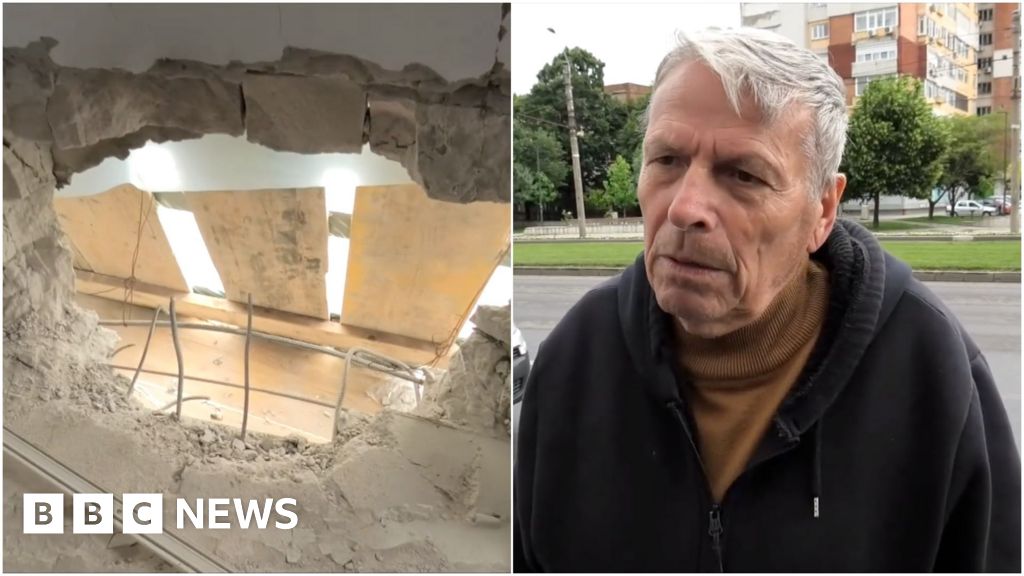
Residents in the eastern city of Galați, Romania, remain visibly unsettled following a recent drone strike that impacted a residential building close to the border region. The incident, which reportedly wounded two individuals, has left the local community feeling acutely vulnerable. The presence of such aerial threats nearby has shattered a sense of routine security, leading some inhabitants to express profound anxiety about returning to their homes.
The nature and origin of the aerial object responsible for the impact have been subjects of significant discussion and conflicting accounts. Official statements regarding the event have attempted to clarify the trajectory of the object, suggesting potential involvement from air defense systems operating in neighboring areas. Meanwhile, international observers have offered varying perspectives on the source of the drone, creating an atmosphere of uncertainty within the affected locale.
What This Means: Heightened Civil Anxiety
The incident underscores the precarious living conditions for populations situated near active conflict zones. Beyond the immediate physical injuries, the primary impact appears to be psychological, manifesting as widespread fear among the civilian population. The recurring threat of unpredictable aerial attacks elevates daily life into a state of heightened alert, demonstrating how proximity to geopolitical instability deeply affects the domestic comfort and sense of safety for residents.
Context of Regional Tension
The area near Galați is situated in a geographically sensitive region, placing its residents at a complex intersection of geopolitical tensions. Reports of such incidents are indicative of the broader instability characterizing the region. These events necessitate increased focus on civilian safety protocols and robust communication strategies to manage the fear and uncertainty within the local populace.
In summary, the event serves as a stark reminder of the fragility of peace in border areas. The focus has shifted from merely assessing physical damage to addressing the deep-seated fear permeating the community, making psychological resilience as critical as immediate physical recovery for the affected families.
About the Author