Echoes of Controversy: State Honors Awarded to a Figure Whose Legacy Remains Deeply Polarizing
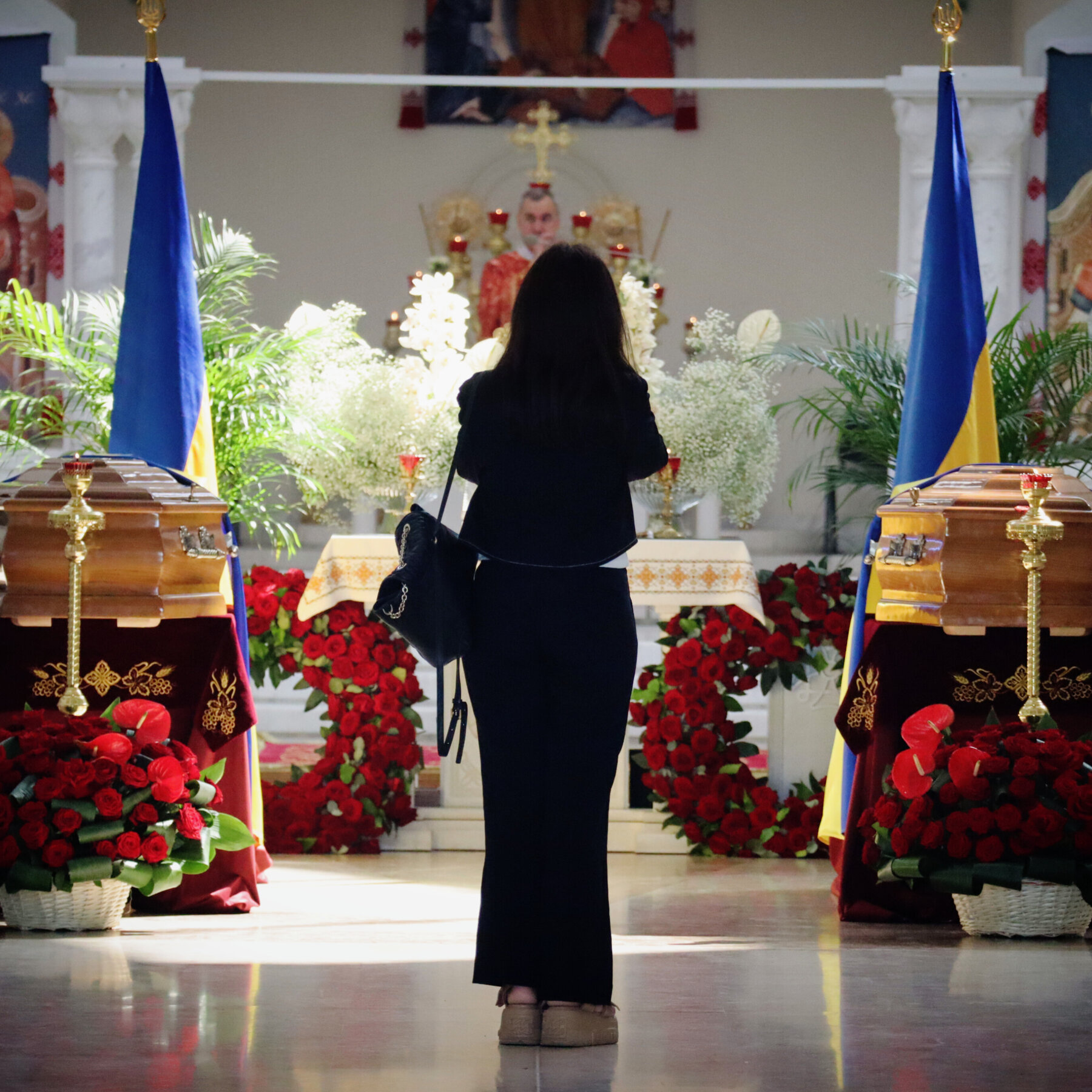
The recent state commemoration surrounding the reinterment of a notable 20th-century figure in Ukraine has drawn significant attention, bringing to the fore a complex and deeply divisive chapter of the nation’s modern history. The individual in question, Andriy Melnyk, evokes dramatically contrasting narratives—some view him as a dedicated opponent of Soviet influence, while others assign him roles entangled with collaborationist elements. This public acknowledgment through state honors signals a national attempt to integrate such weighty and disputed historical figures back into the collective memory.
The ceremony itself, centered around his resting place near Kyiv, underscores a society grappling with how to reconcile heroism, political expediency, and wartime survival. By bestowing official recognition upon his remains, authorities are publicly engaging with a legacy that has been subject to intense ideological struggle for decades. This act moves beyond simple remembrance; it represents a formalized, state-sanctioned decision about whose narrative deserves to be highlighted and preserved within the national story.
What This Means: Reconciling National Memory
The official honoring of Melnyk’s memory highlights the ongoing, delicate process of constructing a unified national identity in the wake of immense geopolitical turmoil. When historical figures become objects of state honor, their associated narratives are inherently curated. For proponents, the recognition serves to validate a specific branch of anti-Soviet resistance, framing the individual within a struggle for sovereignty. Conversely, for critics, the attention risks sanitizing or oversimplifying a period rife with moral ambiguity, demanding a nuanced reassessment of the wartime roles that were played.
This event thus serves as a microcosm of modern Ukrainian historiography: a constant negotiation between celebrating resistance and acknowledging the full spectrum of political compromises made under duress. The visibility given to this person suggests a concerted effort to solidify certain foundational myths of Ukrainian statehood, even when the central figure remains polarizing.
Background and Context: The Weight of the 20th Century
The backdrop for this controversy is rooted in the cataclysmic upheavals of the 20th century, an era that profoundly fractured regional loyalties and political allegiances in Eastern Europe. The period saw numerous armed groups and political factions operating in fluid, often deadly, alignments against occupying powers. In such high-stakes environments, survival often necessitated difficult decisions regarding affiliation and collaboration, decisions that carry lasting ethical and historical weight.
Understanding the fervor surrounding this reburial requires acknowledging that national narratives are rarely simple linear accounts of good versus evil. Instead, they are complex tapestries woven from conflicting eyewitness accounts, political decrees, and varying interpretations of moral obligation. The state’s decision to grant high honors suggests that, at least within the current national discourse, the aspects of the figure’s life associated with resisting external domination are being prioritized and elevated for public veneration.
About the Author