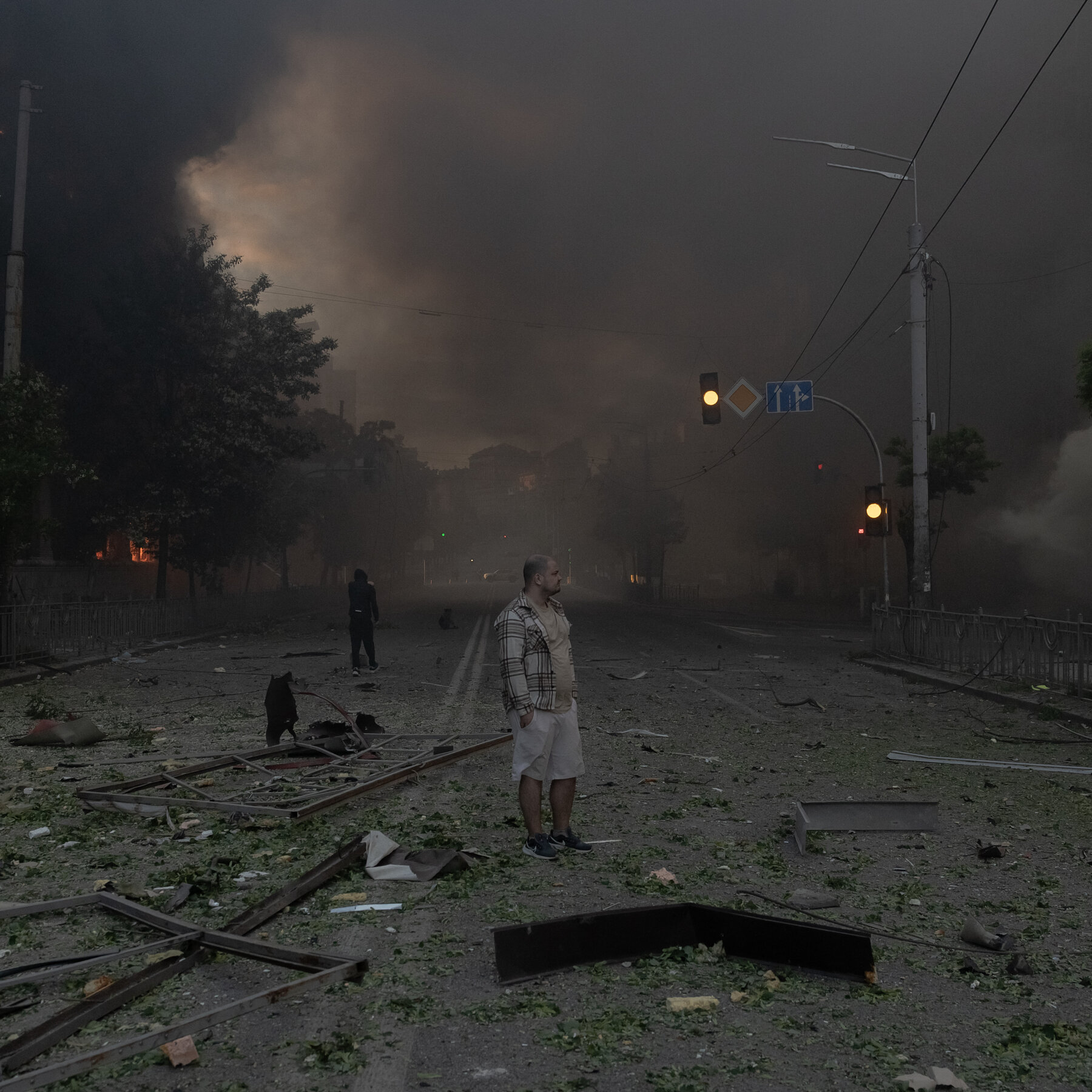
Understanding Converging Conflict Models: Lessons from Ukraine and the Iran Theater
Recent geopolitical hotspots, notably the ongoing situation in Ukraine and the heightened tensions surrounding Iran, exhibit surprisingly similar operational and strategic characteristics. Instead of viewing these regional crises in isolation, analysts suggest that examining their shared elements reveals a developing blueprint for modern warfare and global power projection. The parallels are visible across technology deployment, the mechanisms of diplomatic engagement, and the complex alignments of international actors.
The convergence isn’t merely thematic; it is structural. Both flashpoints illustrate how 21st-century conflict is rarely purely military. Rather, it is a multifaceted contest waged simultaneously on the battlefield, through technological superiority, and in the subtle maneuvering of international diplomacy. This suggests that future global flashpoints may increasingly follow this interwoven model, demanding a holistic understanding of the conflict’s vectors.
Strategic Overlap: Technology and Influence
One of the most striking areas of convergence lies in the domain of military technology. The proliferation and adaptation of Unmanned Aerial Vehicles (UAVs) and sophisticated drone technology represent a shared operational signature in both theaters. These platforms have lowered the barrier to entry for complex aerial engagements, changing the calculus of risk for major military powers. Beyond hardware, the methods of maintaining international influence and challenging established norms present a parallel narrative. Both situations demonstrate powers employing asymmetric tactics to achieve strategic objectives while navigating the complex web of international law and multilateral agreements.
The Significance for Global Stability
The significance of drawing these comparisons is that they force a recalibration of conventional conflict theory. If these two distinct geopolitical areas are modeling similar conflict patterns, it signals a potential shift toward more decentralized, technologically intensive, and diplomatically opaque struggles. For global security strategists, this suggests that predicting the next crisis will require more than just monitoring military movements; it demands an assessment of technological diffusion rates and shifting alliance blocs. Understanding these shared dynamics helps illuminate the nature of power competition in the modern era.
Deeper Context: Great Power Competition
At their core, both conflicts are deeply rooted in the struggle for regional hegemony and the redrawing of established geopolitical lines. The underlying dynamic involves major powers vying for influence and challenging the post-Cold War international order. In this context, proxies, state-backed militias, and the use of international law as a diplomatic weapon become central tools. The comparison thus serves not as a commentary on the wars themselves, but as a warning about the evolving playbook of great power competition, where military action and diplomatic pressure are inseparable components of a unified strategic effort.
About the Author




