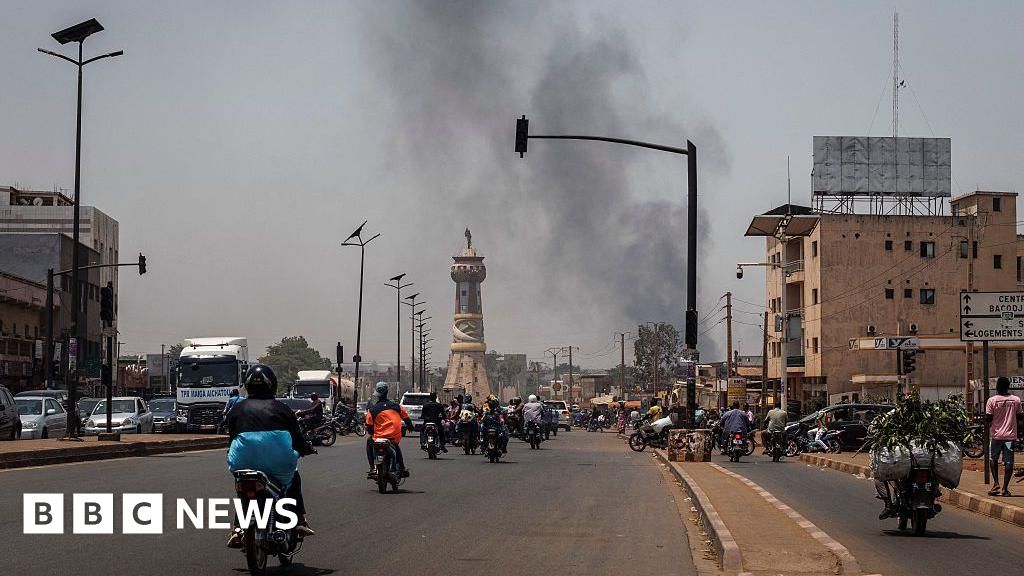
Escalating Security Crisis in Mali Prompts Major Foreign Powers to Advise Against Travel
Concerns over rapidly deteriorating safety conditions across Mali have prompted significant international advisories, urging both foreign nationals and local residents to take extreme caution. Following reports of widespread, coordinated militant and separatist activity over the past weekend, multiple nations have strongly recommended that citizens evacuate the West African country without delay. The level of instability has been characterized by authorities as highly volatile, affecting major population centers and transit routes alike.
Reports detailed sporadic but significant violence throughout the nation, including the capital, Bamako. These incidents have included explosions and continuous gunfire, suggesting the conflict remains active and widespread across various regions. Simultaneously, reports indicate shifts in local control, with certain separatist groups taking command of specific urban centers in the north, while military figures have addressed the public promising continued operations to restore order.
As a direct consequence of this escalating tension, key foreign governmental bodies have issued clear, elevated travel warnings. These advisories go beyond simple cautions, advising citizens to secure passage and depart the country as swiftly as possible via commercial air travel. Furthermore, the warnings extended to discourage any non-essential movement within Mali or even crossing national borders by land, citing extreme danger along major roadways.
What This Means: Immediate and Serious Risk
The collective warnings from countries and former allies underscore the severity of the immediate risk facing foreign nationals. By advising evacuation, these global bodies are signaling that the security situation has reached a point where predictable civilian movement is severely compromised. The emphasis on limiting internal travel and relying only on established, temporary commercial flight paths suggests that infrastructure and public safety are under duress from ongoing militant action. For those who remain, the advisories stress the critical importance of independent emergency planning, signaling that governmental support and safe passage are not guaranteed.
Background and Context: A Volatile Security Landscape
The unrest appears to stem from a complex interplay of internal separatist movements and militant groups. While local military leadership has addressed the public, asserting that security forces are managing the overall situation and have struck back against attackers, the localized nature of the violence—including targeted attacks on security personnel—suggests that multiple factions are vying for influence or control in different geographic areas of the country. The advisory warnings also cautioned against land travel to neighboring states, indicating that the threat extends beyond Mali’s recognized borders and affects regional stability.
About the Author