Independent Inquiry Finds Evidence of Over 500 Deaths Amid Post-Election Unrest in Tanzania
A comprehensive investigation into the turmoil that followed Tanzania’s recent general election has concluded, revealing a grim tally of over 518 fatalities attributed to the period of intense public demonstration. The commission, established to examine the violence, confirmed these losses, which were categorized under ‘unnatural causes.’ Despite detailing the human cost, the chairman of the inquiry refrained from assigning direct responsibility, instead calling for supplementary and deeper investigations into the circumstances surrounding the bloodshed.
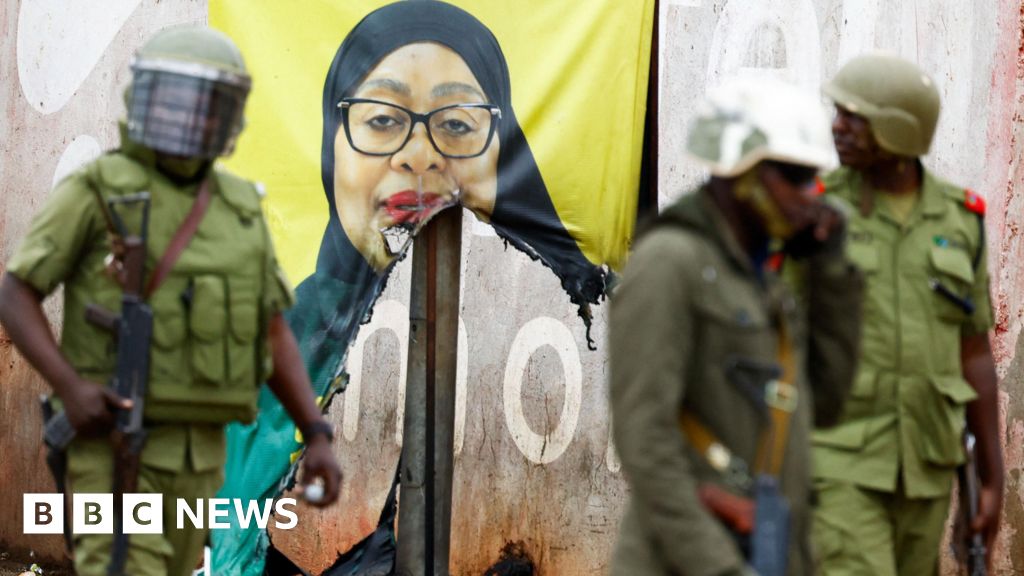
The electoral contest itself was marked by significant political tension. The incumbent president declared herself the victor of the October 29th polling. However, opposition figures dismissed the results as undermining the democratic process. Concerns regarding the vote’s transparency had been voiced previously by both international observers and regional bodies, who noted the election did not meet established democratic benchmarks. Furthermore, multiple online videos surfaced showing confrontations between demonstrators and heavily armed law enforcement units.
What This Means: Reassessing State Security and Civil Unrest
The findings underscore a period of profound rupture with Tanzania’s long-standing reputation for stability. The scale of the reported violence challenges the nation’s image of order. The focus of the investigation is implicitly shifting toward accountability—not only for the opposition movements but also for the actions of state security forces deployed during the unrest. The official statements emphasize that the violence was orchestrated and financed by external or organized elements intending to destabilize the government, a narrative that counters claims of mere spontaneous protest.
Background and Context: A Pattern of Political Tension
The atmosphere leading up to the election was charged. In the aftermath, while the administration acknowledged the events deeply affected the nation, it also defended the actions taken by security personnel. Officials stated that the measures taken were necessary to avert complete societal collapse or anarchy. They framed the conflict as a planned attempt by certain groups to create a power vacuum, making the country ungovernable. This ongoing dynamic of contested results, external criticism, and severe confrontations suggests deep, unresolved fissures within the nation’s political structure, even as the government asserts its authority and commitment to order.
About the Author