Diplomatic Desks Global: Efforts to Stabilize Tense Regional Hotspots
With diplomatic talks failing to secure a lasting truce, international attention and specialized mediation teams are increasingly converging on volatile regions. Reports indicate a palpable escalation of concern as the risk of renewed conflict looms over several strategic areas. The pressure to de-escalate tensions remains critically high, compelling multiple nations to deploy diplomatic muscle to prevent a full-scale resumption of hostilities.
The necessity for outside intervention has become pronounced after extended periods where bilateral discussions proved insufficient in reaching a comprehensive accord. This situation has prompted neighboring states and regional allies to take proactive steps. These efforts are aimed at providing immediate on-the-ground support and facilitating last-minute negotiations to salvage a fragile peace dividend.
The Significance of External Involvement
The dispatch of mediation teams from nations like Pakistan and Qatar underscores the perceived gravity of the situation. When local diplomatic channels stall, the involvement of established regional players signals a collective recognition that the instability carries significant geopolitical weight. These external envoys are tasked with bridging critical divides, reassuring all parties involved, and constructing frameworks that can withstand the pressures of renewed military confrontation.
The success or failure of these converging diplomatic missions will have repercussions far beyond the immediate conflict zones. They speak to a broader pattern of international community reliance on non-aligned mediators when direct negotiations break down. The immediate goal is clear: to prevent a localized flare-up from metastasizing into a wider regional crisis.
Context of Regional Instability
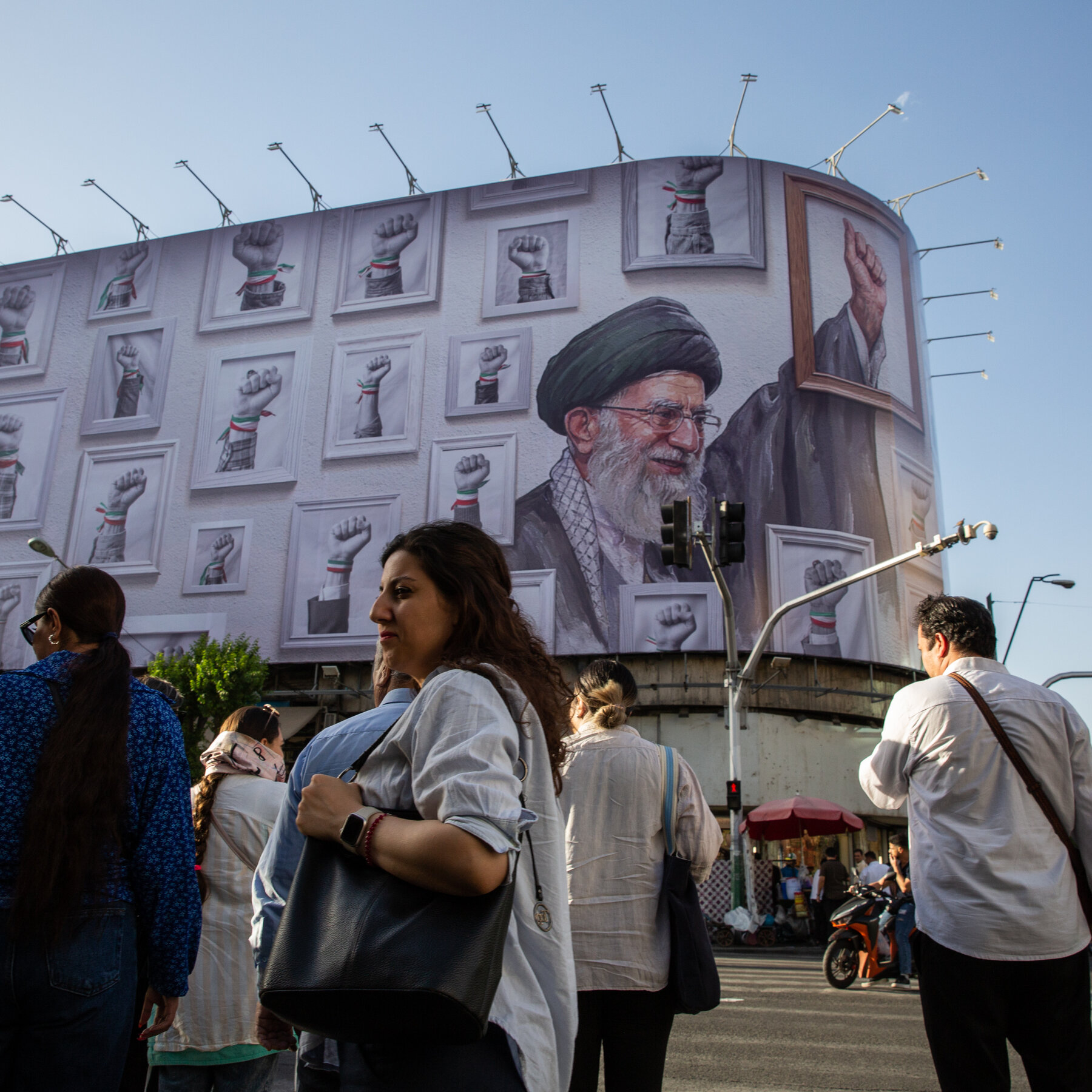
The focus on Iranian stability highlights a deeply complex and interwoven network of regional interests. The dynamics involving various regional powers often create flashpoints that defy simple resolutions. When dialogue stalls, the default mechanism often shifts toward high-level diplomatic intervention to manage the unpredictable flow of tensions. This pattern is becoming a defining feature of current geopolitical stability across the Middle East.
Ultimately, the concerted rush of regional mediators illustrates a shared anxiety regarding the potential cost of conflict. The priority has shifted from merely discussing terms of peace to actively constructing the mechanisms required to guarantee that peace holds, even against significant headwinds.
About the Author