Political Maneuvering in Cuba: Castro’s Status Amid International Accusations
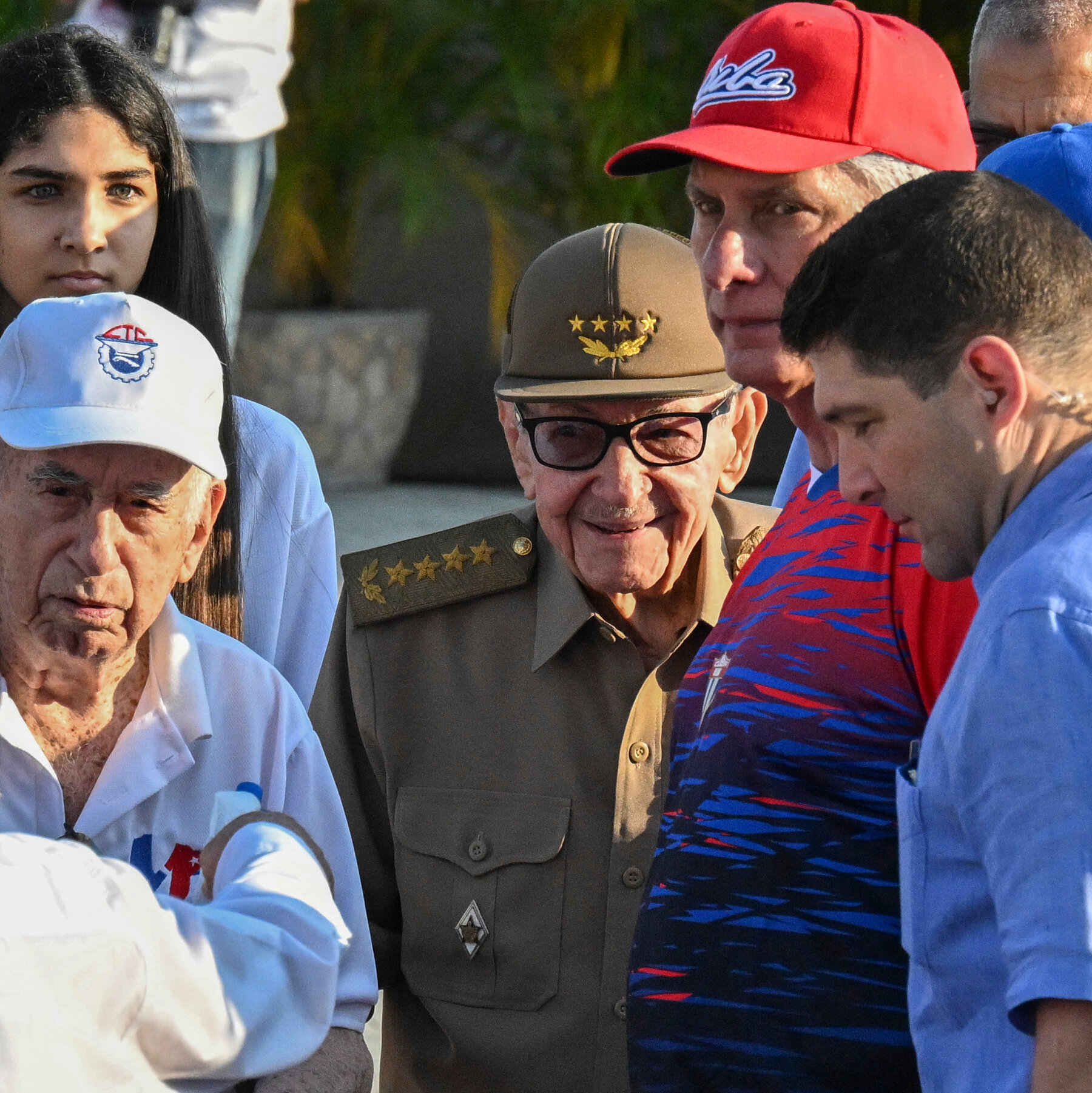
The political landscape in Cuba remains intensely focused on the figure of former leader Raúl Castro, whose professional standing has become a subject of international legal controversy. Despite facing serious accusations, including an indictment related to the downing of two civilian aircraft several decades ago, Cuban state representatives have reportedly mobilized their support around him. This strong show of unity suggests a concerted effort by elements within the government structure to maintain his perceived stature and influence, even amidst external legal challenges.
The situation highlights a deep internal dynamic within Cuban governance, where past leadership and institutional support seem to outweigh or deflect from contemporary international allegations. By maintaining a visible front of solidarity, the current political messaging appears designed to solidify a narrative of domestic continuity and resilience, regardless of the adverse accusations leveled by foreign entities.
The Significance of Domestic Support
The visible rallying around a controversial figure carries significant weight in international political analysis. Such unified domestic endorsement serves to frame external legal proceedings not merely as matters of justice, but as politically motivated actions. For the regime, reinforcing loyalty to historical figures helps anchor its authority and manage the narrative both at home and abroad. The focus shifts from the specifics of the old charges to the broader theme of unified national will, effectively insulating the leadership from external pressure.
Contextualizing the Charges
The core of the external conflict revolves around events from thirty years prior involving the loss of two civilian planes. The fact that these historical events remain a focal point of international accusation underscores the enduring nature of geopolitical tensions surrounding Cuban foreign policy and military history. These types of accusations often become flashpoints in broader diplomatic disputes, allowing the accusers to exert pressure that extends beyond the original incident itself.
Sustaining Political Momentum
For Cuban authorities, navigating such charged international accusations while simultaneously projecting stability requires significant political theater. The public display of unwavering support for a senior, albeit legally challenged, figure like Raúl Castro is a strategic mechanism. It reassures domestic stakeholders of the established power structure while attempting to diminish the perceived legitimacy and impact of the international legal actions against the nation’s established political class.
About the Author




