Global Navigational Hotspots Under Scrutiny Following Military Readiness Shifts
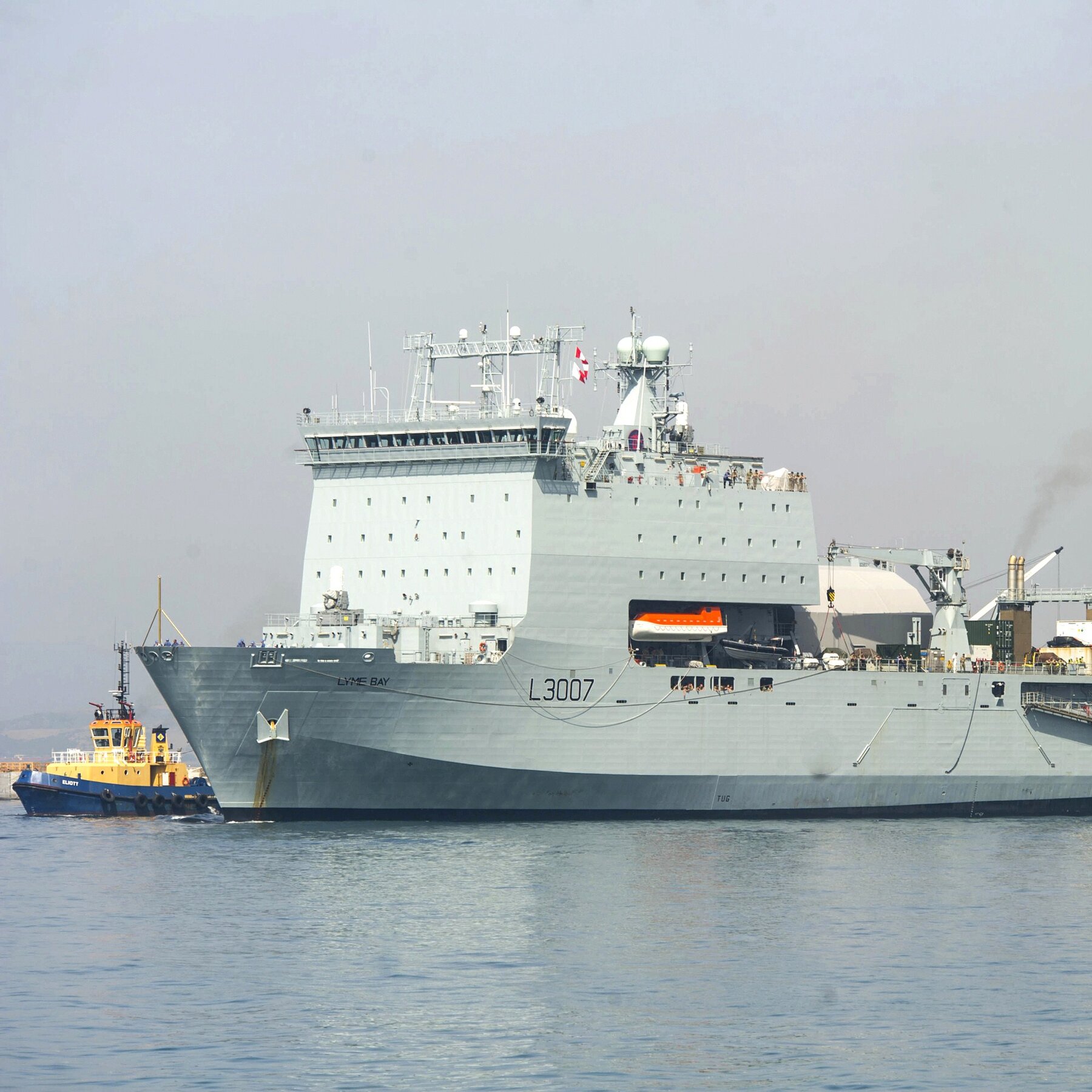
Recent indications of military preparations suggest a heightened focus among global powers regarding the security of critical maritime passages. From deployment readiness at key strategic locations, forces are positioning advanced equipment designed for complex underwater missions. This readiness is not merely routine; it points toward potential scenarios requiring significant naval intervention to ensure freedom of navigation through vital global trade routes.
The readiness levels observed near significant maritime passages underscore the geopolitical sensitivity of global sea lanes. The integration of sophisticated, autonomous technology into military planning highlights a shift toward highly specialized defense capabilities. These deployments suggest that maintaining open and unimpeded passage remains a paramount concern for international stability, compelling nations to maintain high levels of preparedness.
The Strategic Importance of Maritime Passages
The concentration of military assets near specific, narrow passages emphasizes the economic and geopolitical chokepoint nature of these waterways. Such locations are indispensable arteries for the world’s energy and manufactured goods trade. Any disruption, whether due to conflict, instability, or even infrastructural failure, can have immediate and cascading effects on the global economy. Consequently, military planning naturally centers on ensuring these routes remain traversable and secure.
Operational Significance of New Technology
The integration of advanced, unmanned systems into naval operations represents a significant tactical evolution. The deployment of autonomous mine-hunting capabilities, for instance, suggests an anticipation of non-conventional threats or the need for rapid clearance operations in contested zones. These technologies allow for the inspection and neutralization of hazards—such as submerged mines—with reduced risk to human personnel, making military responses faster and more precise.
Implications for International Stability
When major naval powers demonstrate such readiness in specific geographical areas, it signals a high level of concern regarding regional stability. The implication is that the possibility of disruption in these crucial passages is viewed as a credible threat. Therefore, military posture is adjusted preemptively. This ongoing state of readiness serves as both a deterrent to potential aggressors and a mechanism to guarantee the flow of commerce vital to modern life.
Understanding Global Maritime Security
The operational picture painted by these deployments transcends a single regional conflict; it speaks to the systemic risk inherent in modern global commerce. The security of these passages is viewed through a multifaceted lens, requiring advanced detection, rapid response, and the ability to operate in complex, potentially adversarial environments. This sustained level of readiness underscores the enduring strategic value placed on maintaining uninterrupted maritime transit for the world’s economies.
About the Author