Political Tension Escalates in Turkey as State Forces Target Opposition Hub
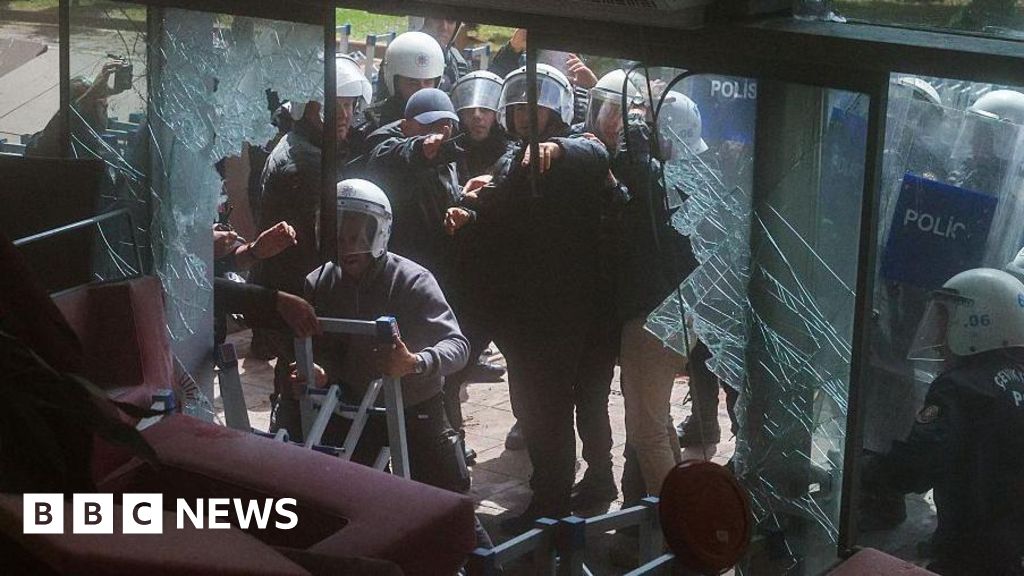
Significant confrontations unfolded at the headquarters of Turkey’s primary opposition party on a recent Sunday. State riot police were reported storming the facility following days of intense political maneuvering and a key legal ruling. The unrest occurred against a backdrop of palpable tension, with visible demonstrations and clashes near the main opposition party’s building in Ankara.
These events were directly linked to a high-stakes court decision that invalidated the current leadership structure of the opposition. The legal ruling mandated the replacement of the party’s current leader with a veteran figure, a move that drew sharp condemnation from the opposition’s leadership. The ensuing standoff saw law enforcement asserting authority while party members attempted to physically block access to the premises.
The volatile situation culminated with security personnel enforcing the judicial directive, leading to tear gas dispersal and physical scuffles within and around the main opposition stronghold. This incident represents a significant flashpoint in Turkey’s ongoing political contestation, particularly regarding the consolidation of power within the ruling administration.
What This Means: A Struggle for Political Narrative
The forceful action against the opposition’s central office underscores a widening divide in Turkish politics, extending beyond mere electoral competition into fundamental institutional battles. By enforcing the leadership change determined by the court, state actions effectively attempt to control the visible direction and messaging of the opposition. For the opposition, being forced into the streets signals a defiant refusal to accept internal or judicial dictates, suggesting that their operational base may shift from established party headquarters to public demonstration.
The underlying conflict is not just about who leads the opposition, but over the legitimacy of political processes themselves—whether that legitimacy resides in popular support, internal party democracy, or judicial decree. The resistance seen on the ground indicates a continued commitment by elements within the opposition to maintain a visible, public front against the ruling power structure.
Background and Context
p>The catalyst for the confrontations stemmed from a higher court overturning an earlier finding. This original lower court had previously dismissed allegations involving the practice of vote buying during a key party election, which had ultimately positioned the current leader. The subsequent ruling from the higher court effectively nullified the election results and the subsequent leadership designation. The designated successor, a seasoned party figure, was then supported by local government authorities who instructed police to execute the judicial mandate to transfer control of the headquarters. This sequence of events rapidly escalated the political confrontation into a physical standoff, drawing both fervent support from the opposition and a firm response from law enforcement tasked with implementing the court’s determination.
About the Author