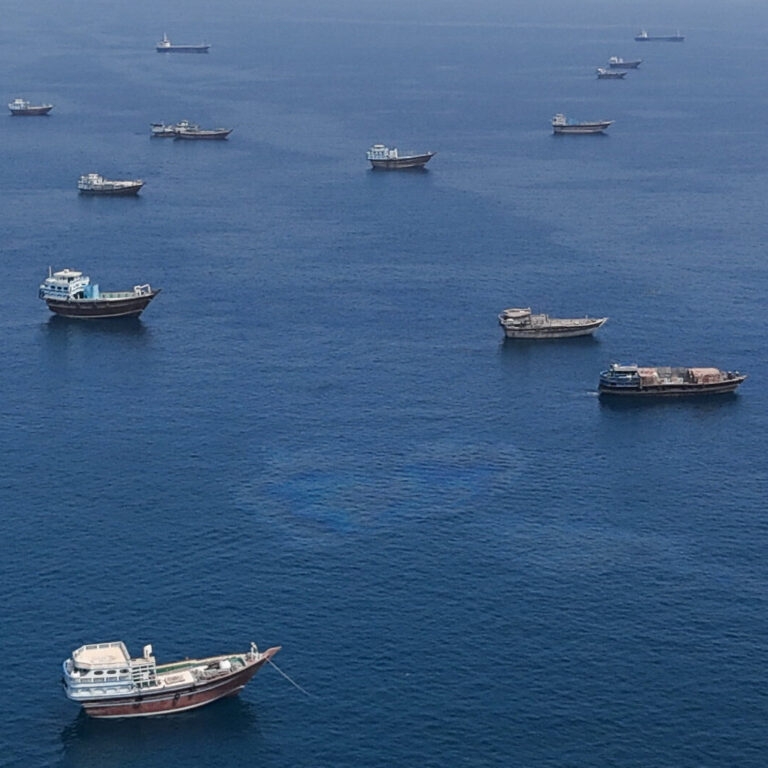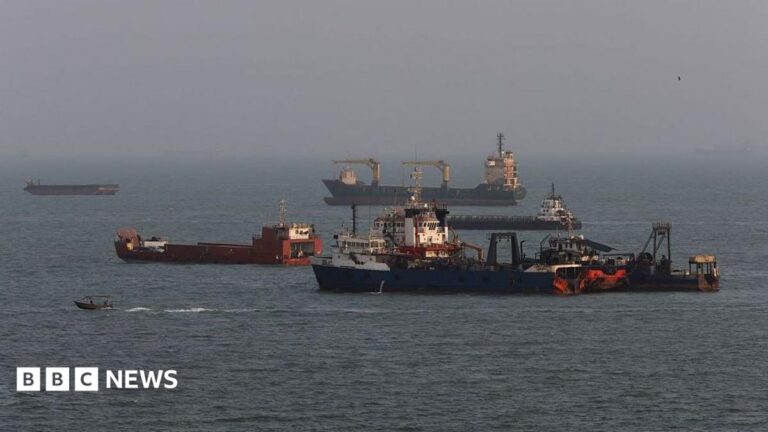
The volatile geopolitical landscape surrounding the Strait of Hormuz has seen escalating maritime confrontations, prompting comparisons to major regional flashpoints of the past, most notably the conflict between Iran and Iraq during the 1980s. Recent incidents, such as the seizure of an Iranian-flagged vessel near the waterway in the northern Arabian Sea, have drawn parallels to that earlier era of naval hostility. While the underlying tension—the contest for dominance and freedom of passage through this critical global choke point—remains recognizable, experts emphasize that the contemporary dynamic possesses distinct features that differentiate it from the historical conflict.
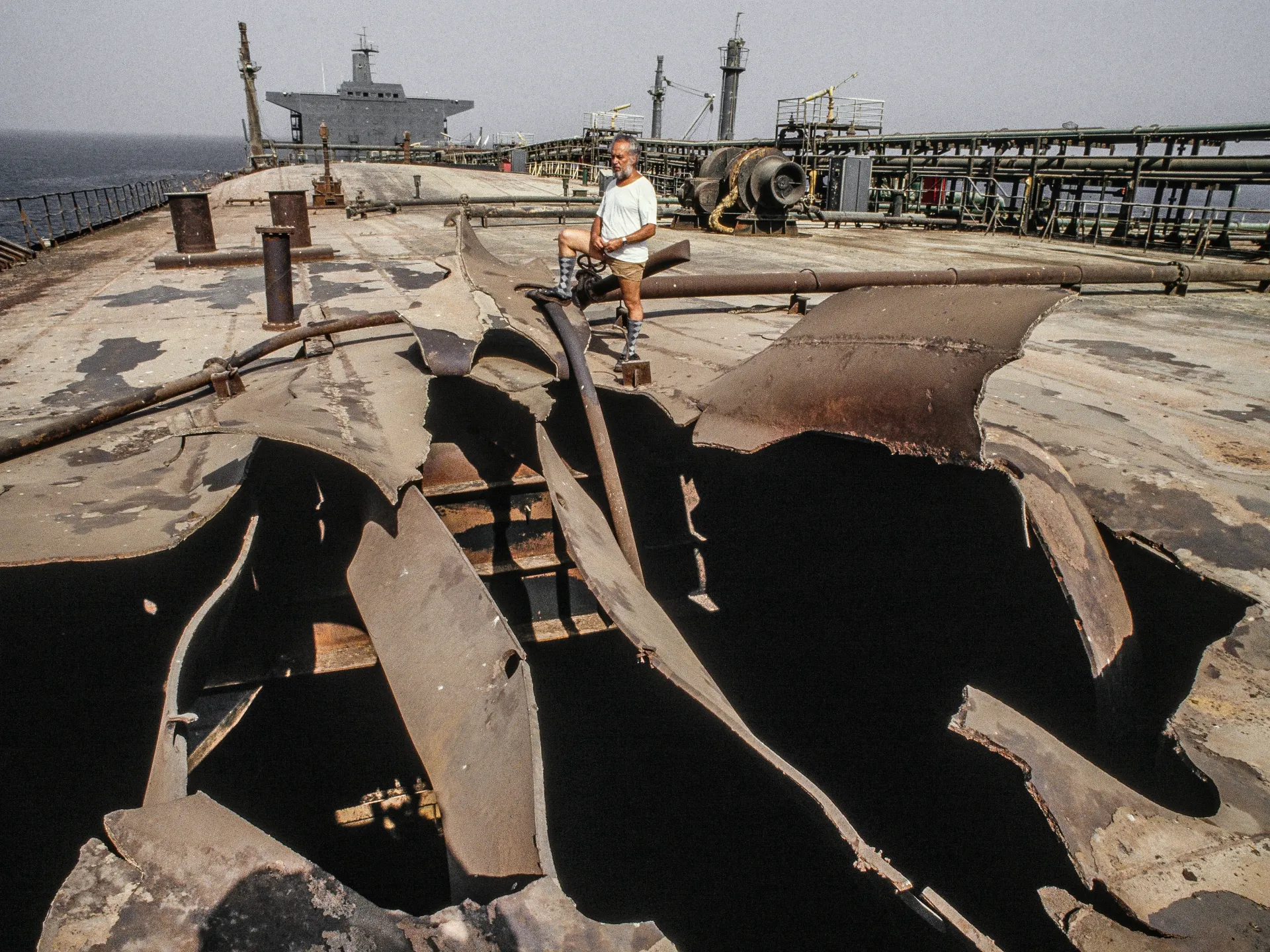
During the 1980s, the waterway became a battleground as both nations engaged in direct naval actions, attempting to destabilize the other's vital oil-dependent economies. This period was characterized by mutual confrontation, culminating in extensive naval operations involving external powers. The sheer scale of intervention saw international forces become heavily involved in escort missions, often involving the physical protection and reflagging of commercial vessels to ensure passage safety. These past deployments established a high level of military presence and deep entanglement of global powers in the region's security architecture.
Significantly, the modern situation involves a different calculus of power projection and international involvement. While military tensions persist, the current operational tempo and the nature of the direct state-on-state maritime confrontations differ from the overt, mutually aggressive actions seen decades prior. Furthermore, the global economic structures and the composition of international naval security arrangements have evolved considerably, leading analysts to focus on nuanced differences in threat profiles and diplomatic maneuvering that are not present in the retrospective comparison.
About the Author