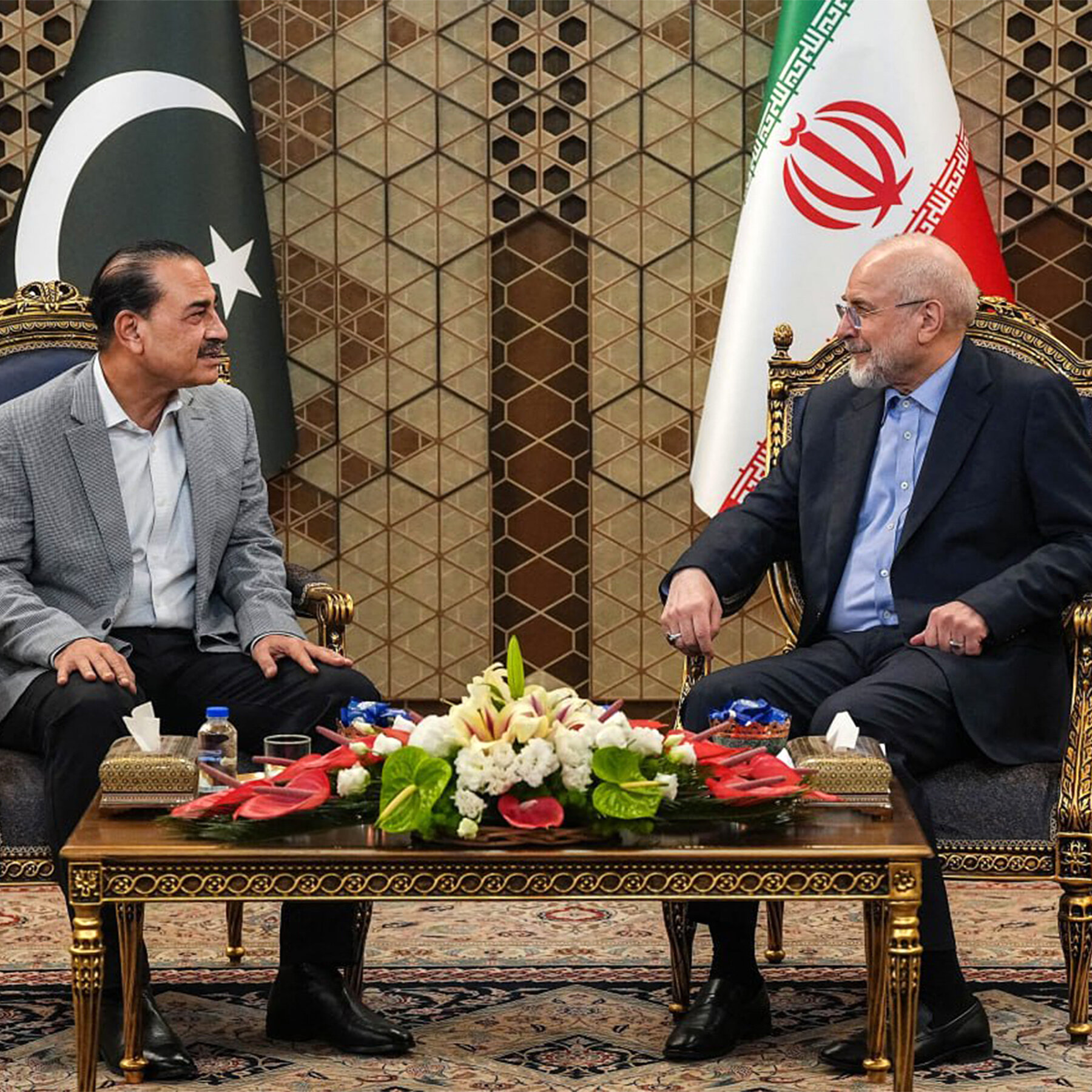
Assessing the Brinkmanship: Global Focus on De-escalation
As geopolitical tensions remain highly elevated, international focus is sharply fixed on diplomatic channels attempting to mediate a potential rift between Iran and the United States. The current environment suggests that while talks are actively underway in Tehran, a definitive resolution or breakthrough remains elusive. This persistent uncertainty keeps global observers and regional actors on high alert, anticipating the possibility of renewed conflict in the Middle East.
The efforts to keep dialogue open are critical because the stakes are exceedingly high. Any significant deterioration in communication could rapidly escalate localized flare-ups into a much broader, more volatile regional confrontation. Consequently, international mediators are working overtime to construct a framework that can rein in the escalation ladder, appealing to all parties to prioritize de-escalation over confrontation.
The Immediate Implications of Continued Dialogue
The continuation of mediation talks underscores a global desire to prevent the outbreak of wider hostilities. If these diplomatic engagements falter without producing tangible agreements, the likelihood of increased military posturing or skirmishes rises considerably. The success of these back-channel negotiations is being scrutinized as a barometer for regional stability. For international markets and neighboring nations, the ongoing dialogue provides a fragile semblance of calm, suggesting that a coordinated effort to manage crises remains the preferred diplomatic path over kinetic conflict.
A Broader View of Regional Diplomatic Challenges
The difficulty in reaching an immediate accord is rooted in the complex and deeply entrenched positions held by the involved parties. Regional politics are characterized by multiple overlapping security concerns, historical grievances, and competing regional influences. Therefore, any comprehensive agreement must navigate a maze of deeply sensitive national interests. Official statements indicate that achieving a lasting settlement requires not only high-level commitment but also a fundamental shift in underlying strategic objectives for all stakeholders involved.
Historically, negotiations in this region have been fraught with volatility, meaning that even minor diplomatic setbacks can quickly generate significant unrest. Consequently, the current focus remains on building incremental trust and establishing mutually acceptable guardrails to prevent miscalculation on any party’s part. The global community watches intently for any sign that a sustainable diplomatic pathway can be solidified amidst the prevailing instability.
About the Author




