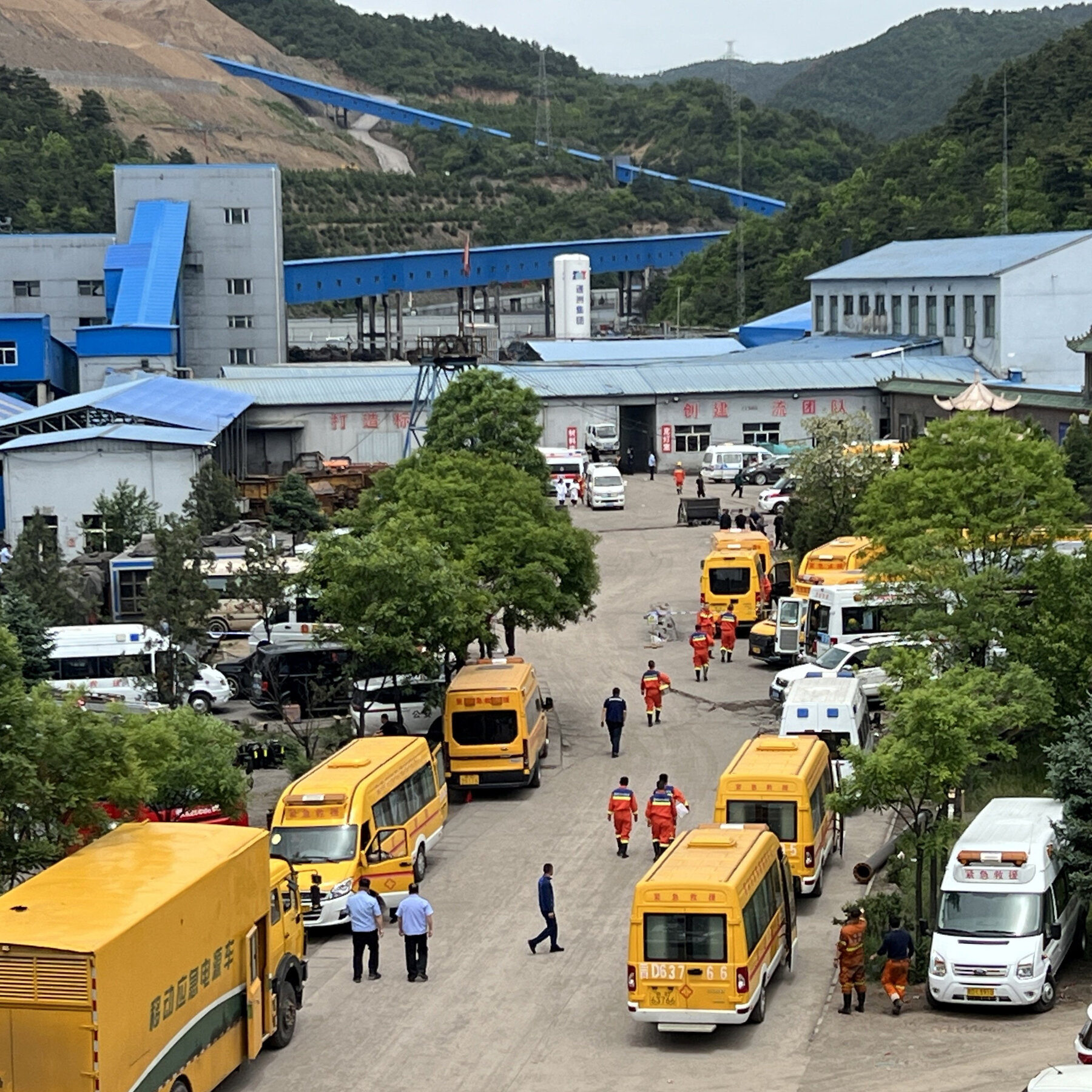
Leadership Demands Full Accountability Following Major Mine Disaster in China
A devastating incident at a coal mine has resulted in a significantly elevated death toll, prompting a high-level response from Chinese leadership. Official statements indicate that a thorough and immediate investigation has been ordered into the catastrophic event. The gravity of the situation has led top officials to emphasize that all parties responsible for the tragedy must be brought to justice and held accountable for the loss of life.
The sheer scale of the casualty count has transformed this from a workplace accident into a major national concern. Authorities are reportedly mobilizing resources to conduct a deep dive into the mine’s operations, safety protocols, and regulatory oversight preceding the explosion. The focus of the government’s response is twofold: first, to establish the definitive sequence of events that led to the disaster, and second, to ensure that systemic failures, if they are found, result in stringent punitive measures.
What This Means for Industry Oversight
The immediate aftermath of such a disaster invariably leads to a sweeping review of industrial safety standards across the entire sector. The government’s vocal demand for accountability signals a potential tightening of regulations and enforcement mechanisms within China’s energy and mining industries. Experts suggest that this incident will trigger a re-evaluation of how safety standards are implemented—moving beyond mere written protocols to enforce tangible, ground-level compliance among operators.
This heightened scrutiny suggests a potential pivot toward more stringent oversight, potentially leading to mandated technological upgrades or restructuring of management practices within high-risk industrial sites nationwide. The aim, from a regulatory standpoint, is to prevent a recurrence of such widespread loss of life, regardless of the specific contributing factors identified during the inquiry.
Background and Context of Industrial Safety in China
The mining industry is critical to China’s energy infrastructure, making it both vital to the economy and inherently dangerous. Historically, periods of rapid industrial expansion have sometimes been accompanied by concerns regarding worker safety and regulatory enforcement. As a result, incidents like this draw intense national focus, forcing policymakers to confront the gap between industrial necessity and worker protection. The official directives following the incident underscore the government’s commitment to reasserting rigorous safety benchmarks across all extractive sectors.
The expectation moving forward is a highly transparent investigation that implicates not only the direct personnel involved in the collapse but also the layers of management, regulatory bodies, and equipment suppliers who were responsible for the environment in which the workers were operating. The incident serves as a stark reminder of the human cost associated with industrial undertakings.
About the Author




