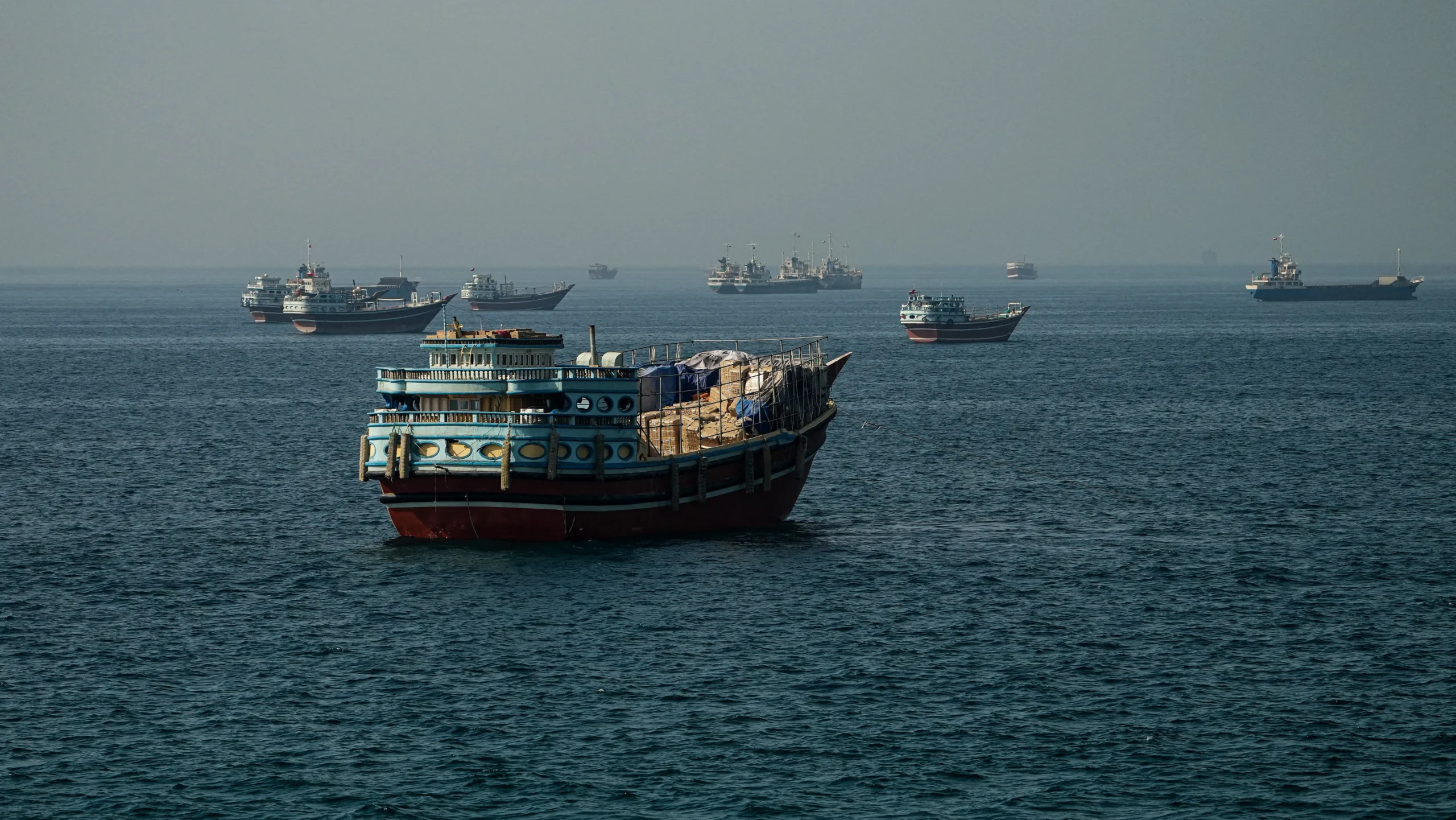
Escalating Tensions in the Arabian Gulf Following Failed Negotiations
The strategic maritime chokepoint of the Strait of Hormuz has become a flashpoint for escalating geopolitical tensions. Iran has publicly reaffirmed its authority over the waterway, issuing explicit warnings that international commercial and military traffic must adhere strictly to established passage protocols. These statements underscore a hardening stance from Tehran, suggesting that external entities—both commercial shippers and foreign naval assets—will face severe repercussions if they deviate from Iranian regulations governing movement through the vital shipping lane.
The heightened rhetoric emerges amidst uncertainty regarding diplomatic engagement between Iran and the United States. Although reports suggested that final decisions on a comprehensive agreement were imminent from Washington, Iran has definitively countered these narratives, asserting that no lasting accord has been finalized. This lack of resolution has allowed Iran to publicly reassert its management control, positioning its armed forces as the ultimate authority governing the passage of all vessels.
Navigating the Implications of Heightened Military Posturing
The core concern arising from these developments is the potential for rapid escalation should diplomatic channels fail to yield a breakthrough. Official statements from key defense figures have indicated that the United States maintains the capacity to engage in military action should a satisfactory negotiated settlement remain out of reach. This raises the specter of renewed conflict in a region already marked by recent military exchanges, including flare-ups from U.S. operations near Iranian ports.
Furthermore, the clear delineation of operational authority by Iranian military spokespeople signals a firm commitment to maintaining sovereign oversight over the Strait. They have not only detailed the necessary permissions required for tankers and commercial ships but have also issued pointed warnings to foreign armed forces, implying that any attempt to interfere with regional maritime management will provoke a direct response.
Understanding the Strategic Significance of the Strait
The Strait of Hormuz is arguably one of the world’s most important maritime thoroughfares, serving as a critical conduit for global energy trade. Its constant flow of oil and liquefied natural gas makes the stability of the waterway paramount to the global economy. Control or perceived control over this area grants significant leverage over international supply chains and energy markets worldwide. The reassertion of strict regulatory control by Iran directly impacts this fundamental global economic artery, increasing risks for global shipping companies and energy consumers alike.
The pattern of activity suggests that diplomatic efforts, while periodically hyped by various sources, have struggled to translate into concrete, agreed-upon frameworks. This vacuum has allowed regional powers to revert to security posturing, using the threat of force and regulatory enforcement to influence the geopolitical balance in the Persian Gulf region. The ongoing situation demands careful monitoring by international bodies given its potential to trigger broader economic and security crises.
About the Author